Smart Robots vs. Traditional Robots: Key Differences Explained


Introduction to Smart and Traditional Robots
The world of robotics has evolved dramatically, with smart robots emerging as a revolutionary force alongside traditional robots. Understanding the key differences between these two types of robots is essential for businesses and enthusiasts looking to leverage their capabilities effectively.
Traditional robots have long been used in industries for repetitive and precise tasks. In contrast, smart robots are equipped with advanced technologies that enable them to learn, adapt, and interact in more complex environments.
Technological Foundations
Traditional Robots
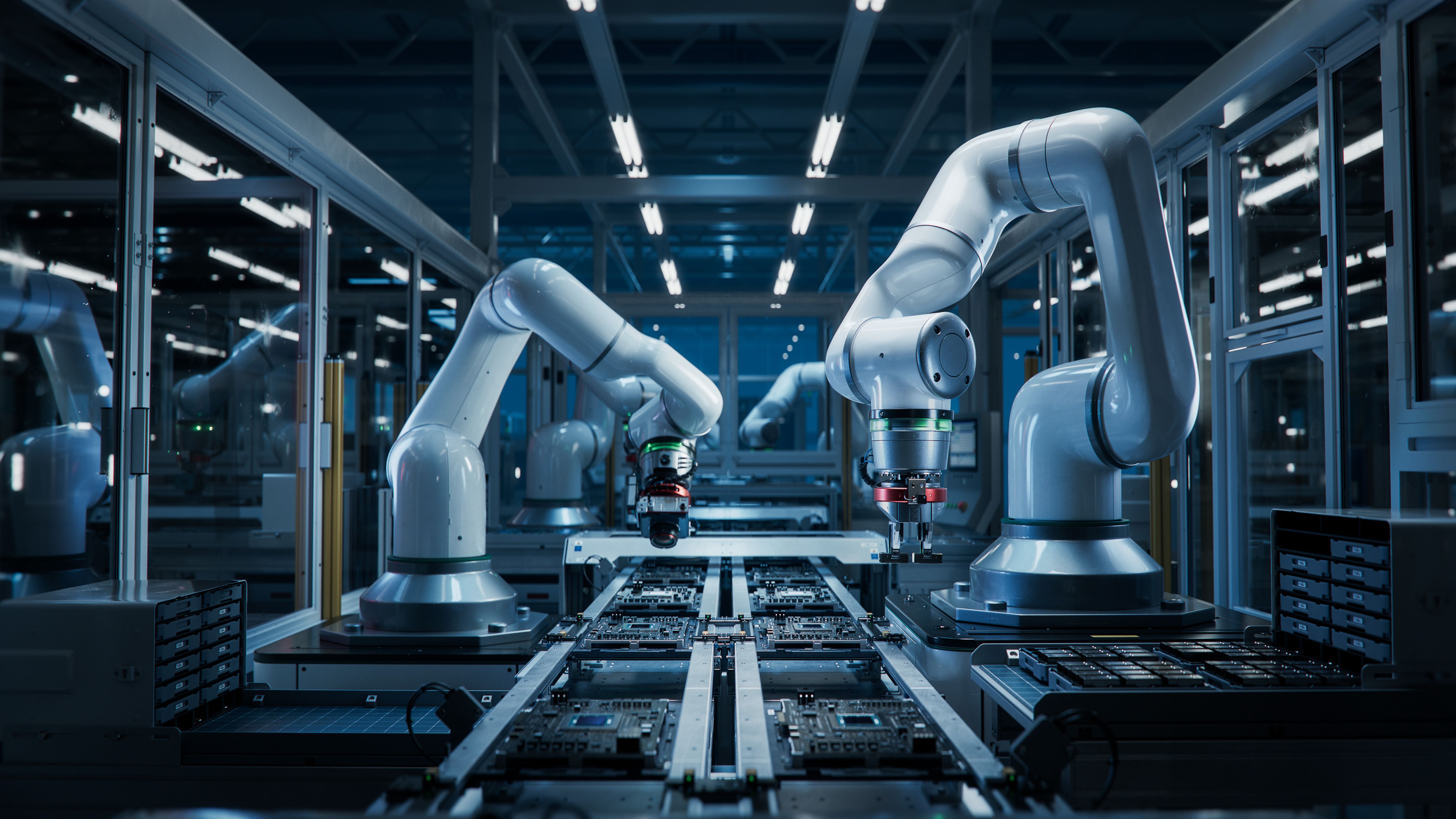
Traditional robots are primarily programmed to perform specific tasks. They excel in environments where the parameters are fixed, such as assembly lines. These robots follow pre-defined instructions and lack the ability to deviate from their set paths.
Smart Robots
Smart robots, on the other hand, are integrated with technologies like artificial intelligence (AI) and machine learning. This allows them to process information, make decisions, and even learn from their surroundings. They are equipped with sensors and software that enable them to adapt to changes in real-time.

Applications in Industry
Traditional Robot Applications
Traditional robots are commonly found in manufacturing sectors. Their precision and reliability make them ideal for tasks such as welding, painting, and packaging. They are essential in environments where high-volume, repetitive tasks are performed.
Smart Robot Applications
Smart robots extend their utility beyond repetitive tasks. They are used in healthcare for surgeries, logistics for autonomous delivery, and even customer service. Their ability to interact and understand human needs makes them versatile across various domains.

Interaction and Adaptability
The interaction between robots and humans is another area where smart and traditional robots differ significantly. Traditional robots operate in isolation, often separated from human workers for safety reasons.
Smart robots, however, are designed to work collaboratively with humans. They can understand and respond to verbal commands, recognize faces, and even predict human actions. This makes them suitable for environments where human-robot collaboration is essential.
Conclusion
In summary, the key differences between smart and traditional robots lie in their technological capabilities, applications, and interaction with humans. Traditional robots perform specific, repetitive tasks with precision, while smart robots offer adaptability, learning, and enhanced interaction.
As technology continues to advance, the integration of smart robots in various industries is expected to grow, offering new opportunities and challenges. Understanding these differences helps in making informed decisions about which type of robot best suits your needs.