The Age of
Androids
Is Here
androids.com has tracked humanoid robotics for 27 years — from MIT's Cog to today's commercially deployed fleets. We aggregate specs, funding, deployments, and market intelligence across every major platform globally.

Week of June 6, 2026
Unitree clears the Shanghai Stock Exchange's STAR Market listing review on June 1 — becoming the first "embodied AI" company approved for China's A-share market and the fastest IPO approval in STAR's science-tech board history. The offering targets ~$618M (4.2B yuan) at an approximate $6.2B valuation; the company posted 1.699B yuan ($250M) revenue in 2025 with 60.13% gross margin and now generates over half of revenue from humanoid platforms (up from quadrupeds). Proceeds earmarked for embodied-AI model development and new production facilities.
NVIDIA debuts the Isaac GR00T Reference Humanoid Robot at GTC Taipei on the same day — the first open humanoid reference design, pairing Unitree's H2 Plus body with Jetson Thor compute, Sharpa five-fingered hands (25 DoF per hand, 31 DoF body, 6 ft, 150 lb), and the full Isaac GR00T software stack. Initial adopters include Stanford Robotics Center, ETH Zurich, UC San Diego ARCLab, and Ai2. Commercial availability through Unitree targeted for October 2026; an Isaac GR00T workflow for the smaller G1 is slated for GitHub and Hugging Face.
1X Technologies strikes a strategic partnership with EQT to ship up to 10,000 NEO humanoid robots to EQT's 300+ portfolio companies between 2026 and 2030, with concentration in manufacturing, warehousing, logistics, and other industrial use cases. The deal is a meaningful pivot from NEO's original consumer-only positioning — 1X says it will sign individual deals with each interested portfolio company. EQT Ventures has been a 1X backer since the company's $100M Series B.
Figure 03 BotQ production officially hits 1 robot per hour — a 24× scale-up from the 90-minute cadence at the start of 2026; Figure 04 enters production preparation with a radical manufacturing redesign aimed at higher volume. Boston Dynamics begins shipping first 2026 Atlas units — initial deliveries going to Hyundai and Google DeepMind; all 2026 Atlas production now fully committed. AgiBot quietly crosses the 10,000-unit production milestone in Shanghai, with capitalization plans accelerating via the acquisition of a listed company.
BYD confirms entry into humanoid robotics, leveraging its battery, sensor, software, and AI stack — China's auto giants (XPeng IRON, GAC GoMate, now BYD) continue converging on the humanoid platform race. Automate 2026 Chicago Humanoid Robot Forum opens June 23–24 with Boston Dynamics, NEURA Robotics, NVIDIA, and Toyota Research Institute confirmed; Humanoids Summit Tokyo (May 28–29) closed last weekend with Hiroshi Ishiguro keynote. The VLA-vs-world-models debate sharpens — NVIDIA's GR00T this week doubles down on the approach Yann LeCun called a "dead end" two weeks ago.
Industry Snapshot
Who's Winning
| Company / Robot | Status | Latest Milestone | Total Funding | Momentum |
|---|---|---|---|---|
Figure AI Figure 03 |
Scaling | BotQ production officially hits 1 robot per hour — 24× scale-up from 90-minute cadence at start of 2026; Figure 04 enters production prep with radical manufacturing redesign; 40-unit Figure 03 fleet still live at BMW Spartanburg billing ~$25/robot-operating-hour June 2026 |
$3.6B+ · $39B val. | ↑ Surging |
Tesla Optimus Gen 3 |
Scaling | Fremont retooling underway — last Model S/X built early May; Optimus line being assembled now; first units July/Aug 2026; 1M/yr Fremont + 10M/yr Texas targets confirmed May 2026 |
$20B+ capex | ↑ Surging |
Agility Robotics Digit |
Only humanoid generating real commercial revenue as of Apr 2026 — 100K+ totes moved at GXO; paying contracts with Toyota Canada & Mercado Libre; ISO cert pursuit ongoing Apr 2026 |
$190M | ↑ Leading | |
Unitree G1 / H1 / H2 Plus |
Scaling | Clears Shanghai STAR Market IPO review June 1 — first "embodied AI" company on China A-share market; fastest STAR tech approval. Same day, NVIDIA names Unitree H2 Plus as the hardware for the open Isaac GR00T Reference Humanoid platform June 1, 2026 |
~$618M IPO · ~$6.2B val. | ↑ Surging |
Boston Dynamics Atlas Electric |
Scaling | First 2026 Atlas units shipping — initial deliveries to Hyundai and Google DeepMind; all 2026 production fully committed; Hyundai still targets 30,000 units/yr by 2028; recent zero-shot sim-to-real heavy-lifting demo still circulating June 2026 |
Hyundai-backed | ↑ Rising |
1X Technologies NEO Beta |
Strikes strategic partnership with EQT — up to 10,000 NEO units shipping to EQT's 300+ portfolio companies between 2026 and 2030; major pivot from consumer-only positioning into manufacturing, warehousing, and logistics; California factory ramping 10K-unit first-year capacity June 2026 |
$125M | ↑ Surging | |
Apptronik Apollo |
Mercedes-Benz pilot live; GXO logistics expansion; $403M Series A Q4 2025 |
$403M | ↑ Growing | |
AgiBot X2 / G2 |
Scaling | Crosses 10,000-unit production milestone in Shanghai — second pure-play humanoid maker at industrial production scale; capitalization accelerating via acquisition of a controlling stake in a listed company; G2 still clocking 140-hour continuous shifts at Longcheer June 2026 |
$1B+ | ↑ Surging |
Honor Lightning |
Competing | "Lightning" wins Beijing Half-Marathon in 50:26 — beats human world record by 6+ min; Honor sweeps top 3; only entered humanoid robotics in 2025 Apr 19, 2026 |
Smartphone giant | ↑ Breakout |
Meta ARI / Platform |
Platform | Acquires ARI (May 1) — team joins Superintelligence Labs; "Android for Robots" strategy: license AI stack to all hardware makers; $125–145B 2026 capex backing the bet May 1–4, 2026 |
$125–145B capex | ↑ Entering |
Physical Intelligence π0 / π0.5 |
Research | π0.5 generalizes across 10+ robot morphologies; $400M raised Feb 2026 |
$400M | ↑ Rising |
Compare Robots
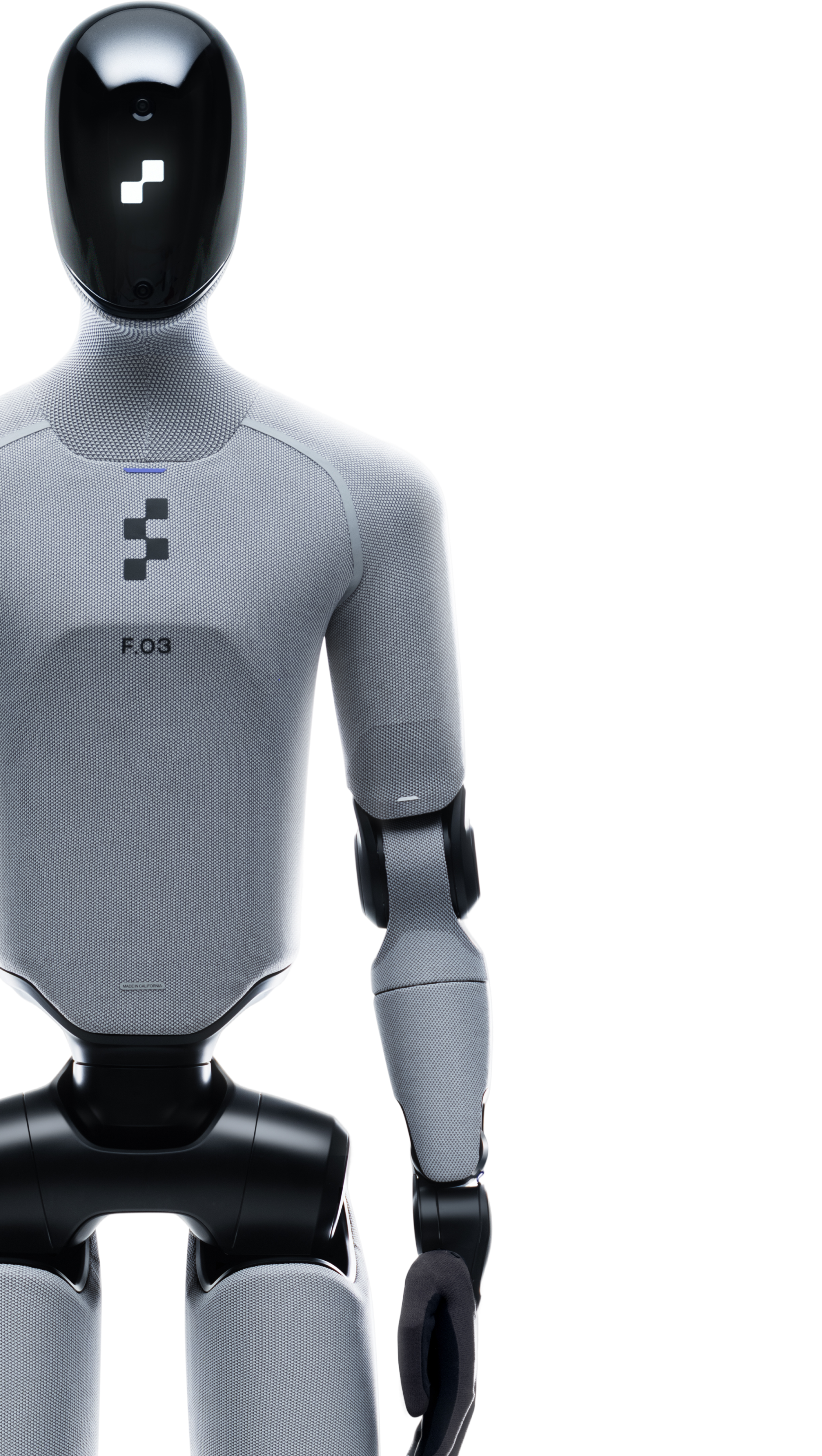
- Height5'8" / 1.72m
- Weight61 kg
- Payload20 kg
- Battery5 hrs
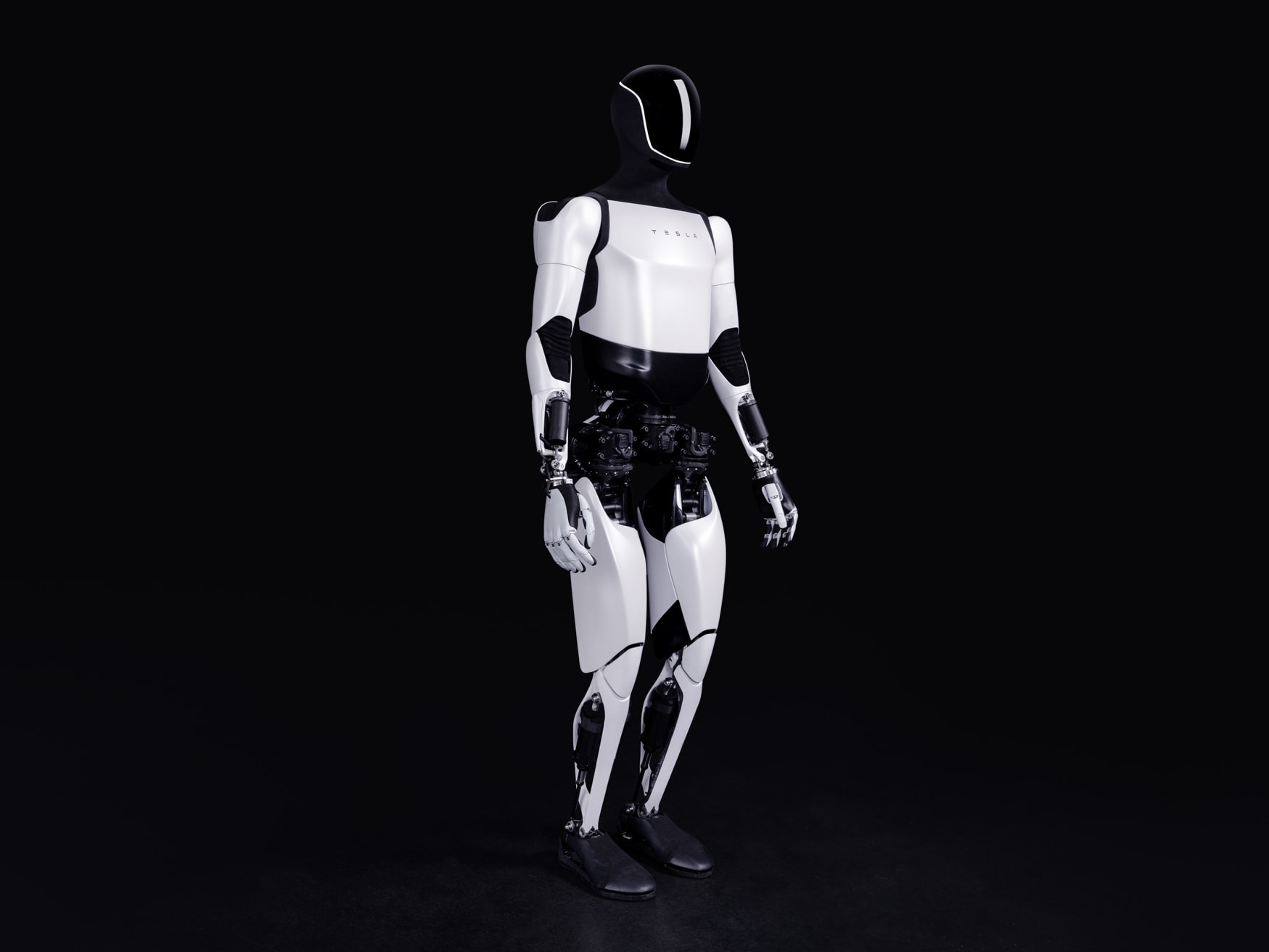
- Height5'8" / 1.73m
- Weight57 kg
- Payload20 kg
- Speed5 mph
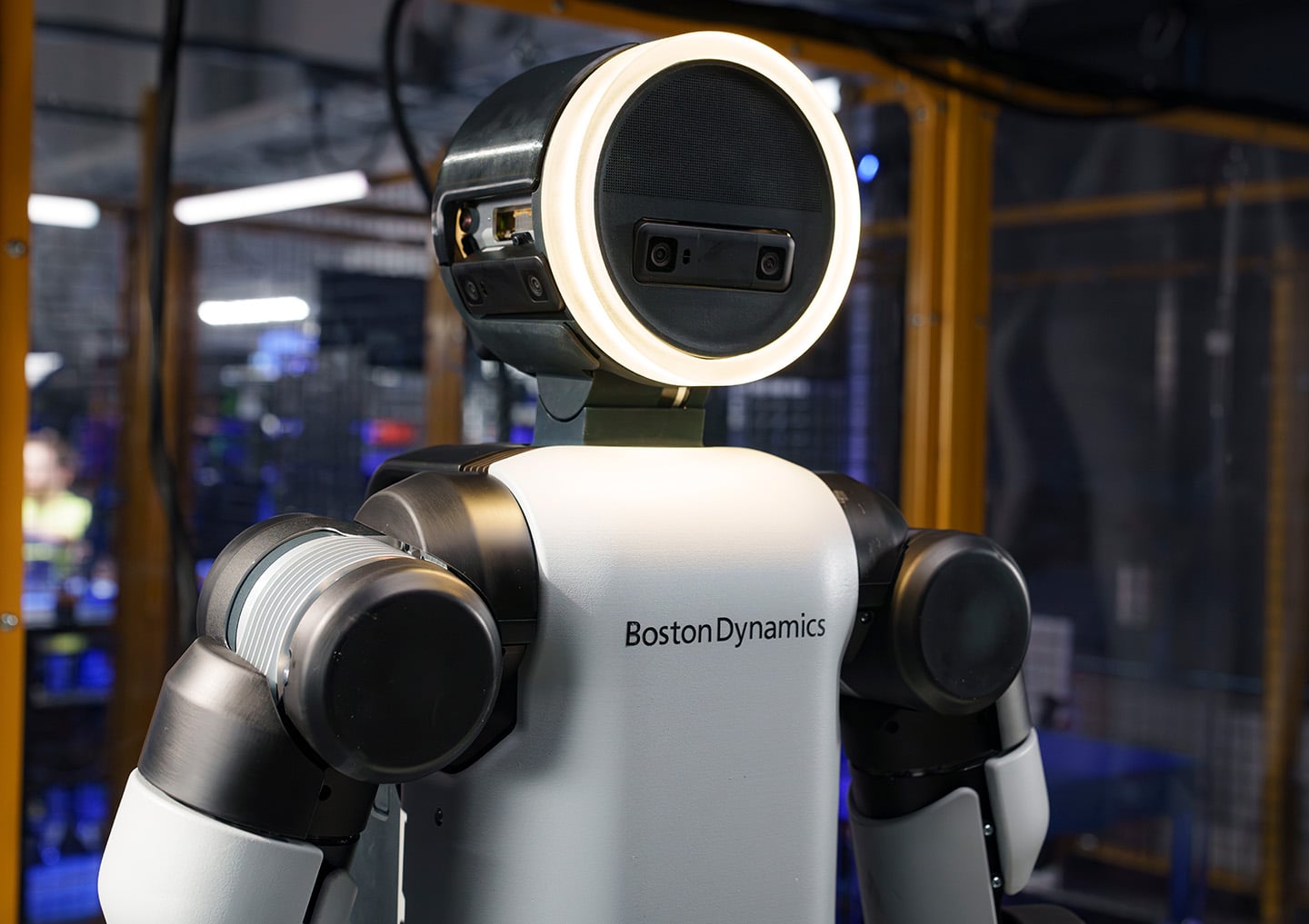
- Height4'11" / 1.5m
- DOF56
- Payload50 kg
- Reach7.5 ft
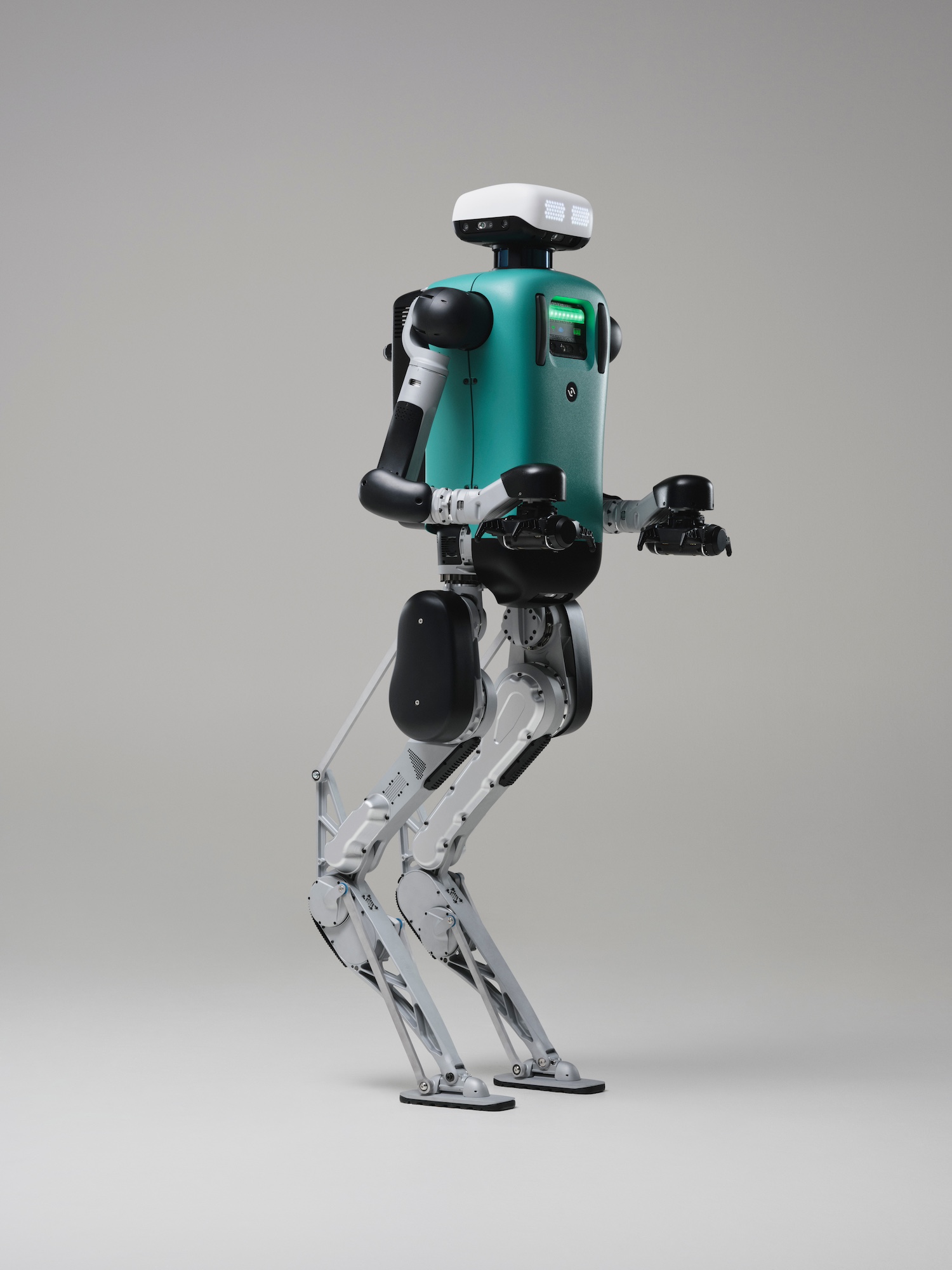
- Height5'9" / 1.75m
- Weight65 kg
- Payload16 kg
- Battery4 hrs
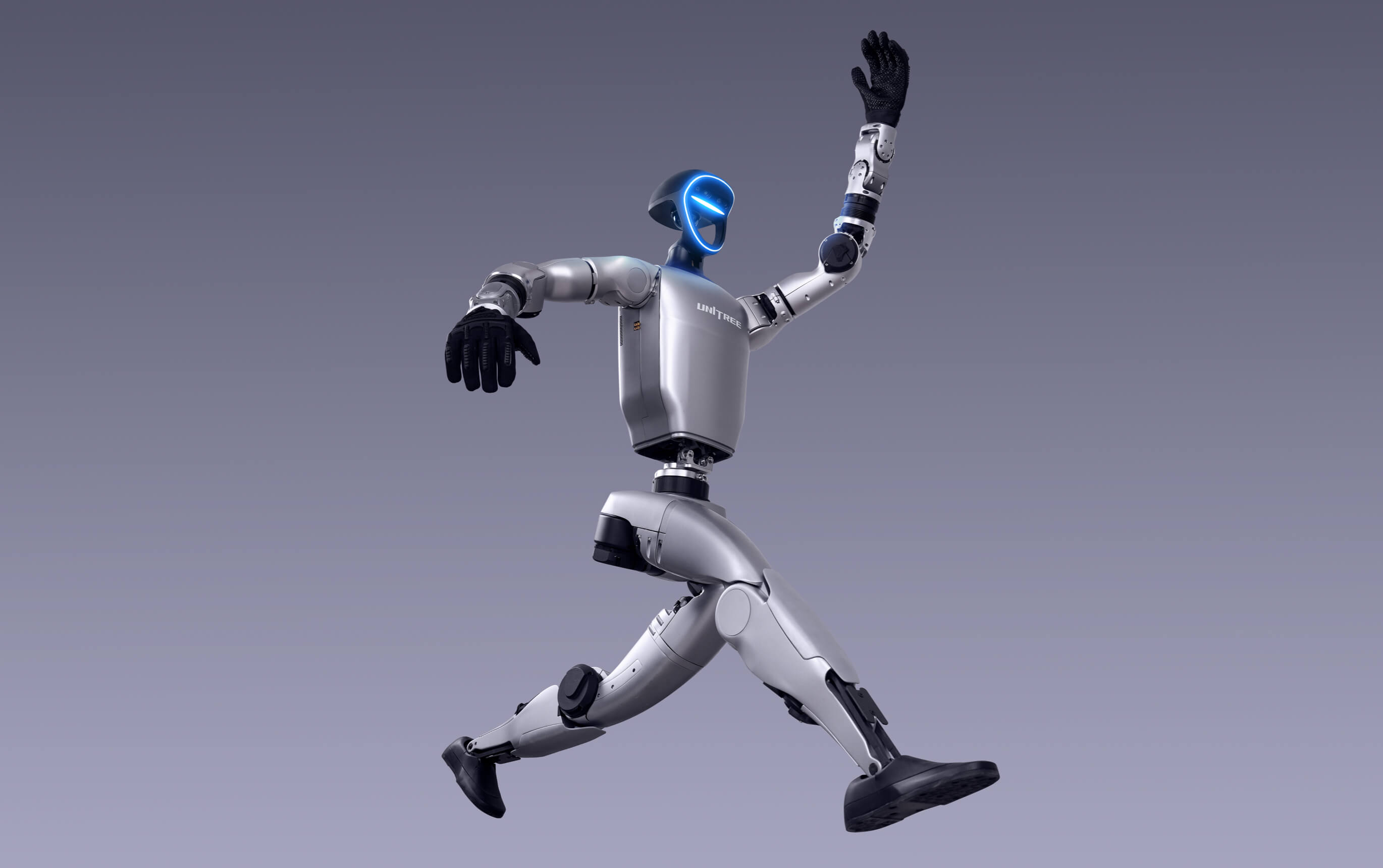
- Height4'7" / 1.4m
- Weight35 kg
- Payload3 kg
- Speed2 m/s

- Height5'8" / 1.73m
- Weight73 kg
- Payload25 kg
- Battery4 hrs
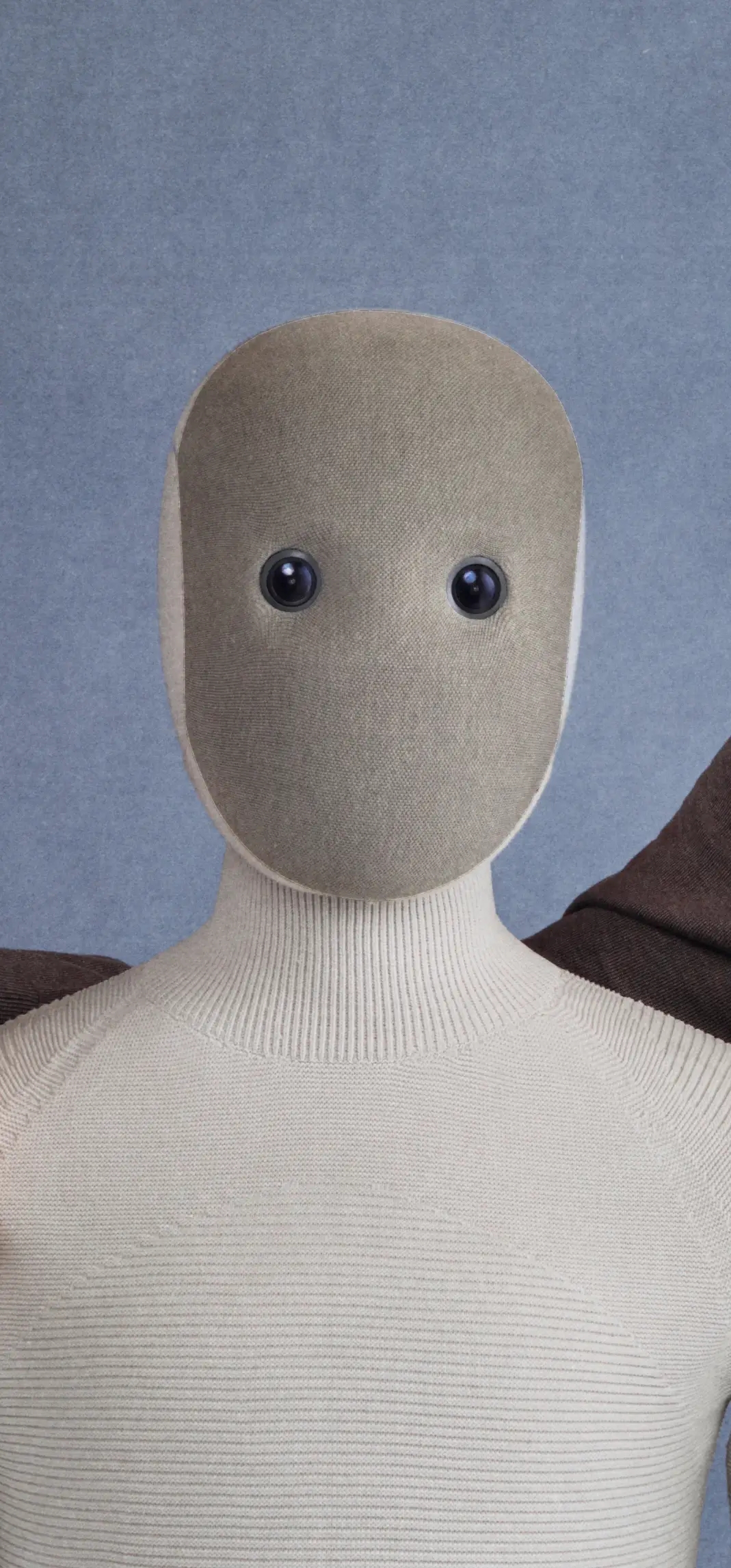
- Height5'6" / 1.68m
- Weight30 kg
- Payload20 kg
- DesignSoft-body
- Payload100 kg
- AINVIDIA GR00T
- SkinProximity
- DesignPorsche Studio
- Height5'11" / 1.8m
- Weight47 kg
- Speed3.3 m/s
- DOF19
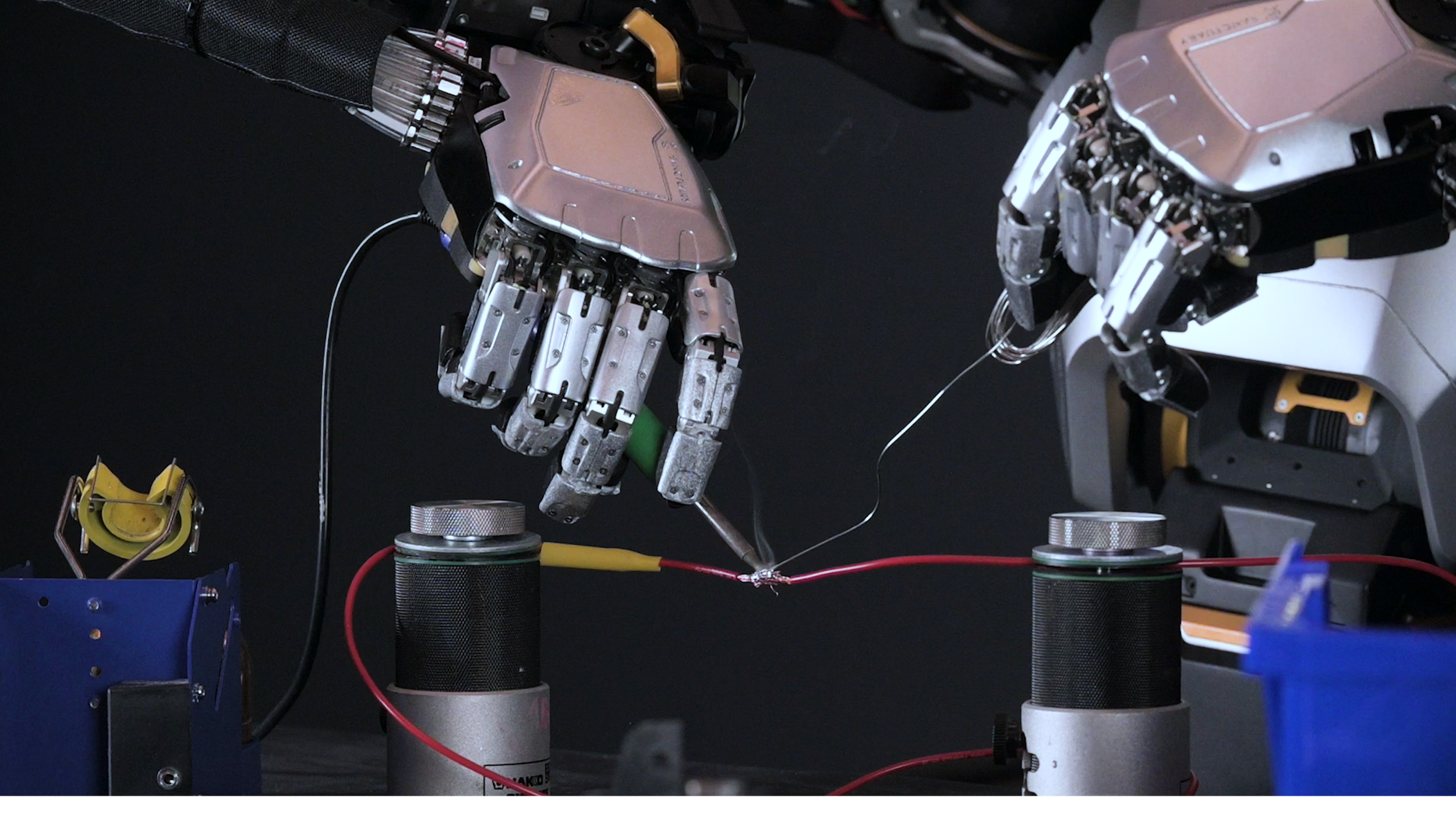
- Height5'7" / 1.7m
- Weight70 kg
- Payload25 kg
- AICarbon™ AGI
Find Your Robot
Personalized Recommendation Engine. Answer 4 questions — we'll match you with the right humanoid platform.
What's your primary use case?
Select the closest match to your deployment scenario
Go Deeper
The Road to Commercial Scale: 2024–2030
From Amazon pilots to White House appearances, humanoid robots have crossed the threshold from lab curiosity to commercial product. We map the key inflection points — from the first RaaS contracts to the 2026 deployment surge — and model what 100,000-unit fleets look like by 2028.
Read Analysis →Industrial Procurement Checklist
Before you sign a RaaS contract or LOI, work through our 47-point procurement checklist — covering uptime SLAs, liability frameworks, training data ownership, and integration costs.
- Integration cost calculator
- SLA benchmarks by vendor
- Legal & liability checklist
- ROI model templates
China vs. USA: The Humanoid Race
China accounts for 38% of tracked humanoid robots and is accelerating fast — Spring Festival Gala showcases, $55B market projections, institutional dealmaking surge. We break down the competitive landscape.
View Report →Road to Commercial Scale
Stay Ahead of The Robot Revolution
Weekly briefing from the team that's been tracking humanoid robotics since 1997. No hype — just verified deployments, funding rounds, and technical specs.
- Weekly verified news digest — funding, deployments, specs
- Early access to our specs database updates
- Procurement guides and vendor comparison reports
- 27 years of editorial context, not clickbait
27 Years of Stewardship
androids.com has been the reference index for humanoid robotics since 1997 — predating ASIMO, predating iRobot, predating the term "humanoid robot" entering common usage.
We've tracked every major inflection point: Honda's P3, Sony QRIO, DARPA Robotics Challenge, the Boston Dynamics era, and now the commercial deployment wave of 2025–2026.
Our data is independently compiled — we don't accept payment for placement, we don't publish manufacturer press releases verbatim, and we flag unverified claims.
Partnership and sponsorship inquiries welcome at [email protected]. We offer tiered visibility for companies that meet our editorial standards.
The definitive index for humanoid robotics. Independent, comprehensive, and updated weekly since 1997.
Reach 50K+ Robotics Professionals
Sponsor the weekly digest, feature your platform in the specs database, or co-author industry reports with the androids.com editorial team.
Verified placement in the Global Index and Specs Database with logo, canonical URL, and quarterly data refresh.
Dedicated sponsor slot in the weekly briefing read by operators, investors, and builders.
Co-branded research, data API access, custom dashboards, and editorial collaboration.
Privacy Policy
Data Collection
androids.com collects email addresses for newsletter subscriptions only. We do not sell, rent, or share personal data with third parties for marketing purposes.
Analytics
We use privacy-first analytics to understand aggregate traffic patterns. No personally identifiable information is collected through analytics.
Cookies
We use essential cookies only — no tracking cookies, no advertising cookies. Newsletter preferences may be stored locally.
Contact
Privacy inquiries: [email protected]
Terms of Service
Content Usage
All content on androids.com is © 1997–2026 androids.com / GregCarb Media. Data and analysis may be cited with attribution. Republication requires written permission.
Data Accuracy
We strive for accuracy but cannot guarantee that all specifications, pricing, and deployment data are current. Always verify with manufacturers before procurement decisions.
No Investment Advice
Market intelligence provided is for informational purposes only and does not constitute financial or investment advice.
Contact
Legal inquiries: [email protected]

The Androids
Are Already Here
Real breakthroughs from the companies building the future — click any card to watch on YouTube.

Optimus – Fremont Factory Production Shift
Tesla ends Model S/X production at Fremont to begin full-scale Optimus Gen 3 manufacturing — the official start of 2026 mass production.
Watch on YouTube
Optimus – Smooth Running Demo
Natural jogging and balance from Optimus — one of the most impressive locomotion clips shared by Elon heading into 2026.
Watch on YouTube
Figure 03 – Home Tasks & Autonomy
Official reveal: Figure 03 folds clothes, interacts naturally, and shows real home-ready autonomy — the 2026 benchmark for domestic robots.
Watch on YouTube
Figure 03 – Jogging + BMW Deployment
NVIDIA-powered jogging demo alongside real logged factory hours at BMW — proof of industrial readiness in early 2026.
Watch on YouTube
Unitree G1 – CES 2026 Live Demos
Bruce Lee and martial arts impersonations live on the CES floor — the most entertaining and agile balance demo of the show.
Watch on YouTube
Unitree G1 – Autonomous Group Martial Arts
World-first fully autonomous cluster performance at the Spring Festival Gala — synchronized high-speed kung fu, no human control.
Watch on YouTube
Atlas – Official Enterprise Product Reveal
Enterprise-grade Atlas with 56 DoF, raw strength, and industrial adaptability — the beginning of the humanoid industrial revolution.
Watch on YouTube
Atlas – 2026 Agility Upgrades
Dramatic flips, spatial awareness, and precision landings — pushing the absolute limits of what a humanoid robot can do physically.
Watch on YouTube
NEO – The Home Robot You Can Order Today
Chores, personalized assistance, safe home deployment — pre-orders open for 2026 delivery. The consumer humanoid era starts here.
Watch on YouTube
Digit – Real Warehouse Logistics Deployment
Digit working safely in warehouses with AWS integration and real terrain handling — the proven commercial humanoid already at work.
Watch on YouTube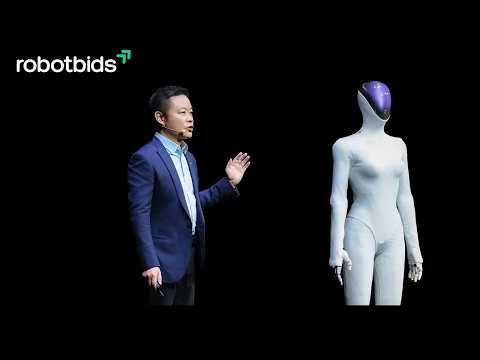
IRON – The Robot So Lifelike They Cut It Open
Xpeng's IRON moved so convincingly at AI Day that the CEO sliced it open on stage to prove a human wasn't inside — instantly one of 2025's most viral robot moments.
Watch on YouTube
Phoenix Gen 7 – Human-Like AI Dexterity
Generation 7 Phoenix learns new tasks in under 24 hours — hydraulic hands with near-human touch sensitivity and Carbon AI cognitive architecture.
Watch on YouTubeAndroids Origin/History
- Android (Greek: "man-like") =humanoid robot/automaton.
- First recorded 1720s ("androides") for mechanical humanoids.
- 1730s–1830s: dictionaries, patents, literature.
- 1886: sci-fi debut (Tomorrow's Eve).
- 1930s: pulp fiction (fleshy android vs. robot).
.