Exploring the Applications of AI in the Robotics Industry: A Comprehensive Guide


Introduction to AI in Androids
The integration of artificial intelligence (AI) in the robotics industry has revolutionized the way machines interact with their environments. AI technologies enable robots to perform complex tasks with precision and adaptability, creating new possibilities across various sectors. From manufacturing to healthcare, AI-powered robots are transforming industries by enhancing efficiency and reducing human intervention.

AI in Manufacturing
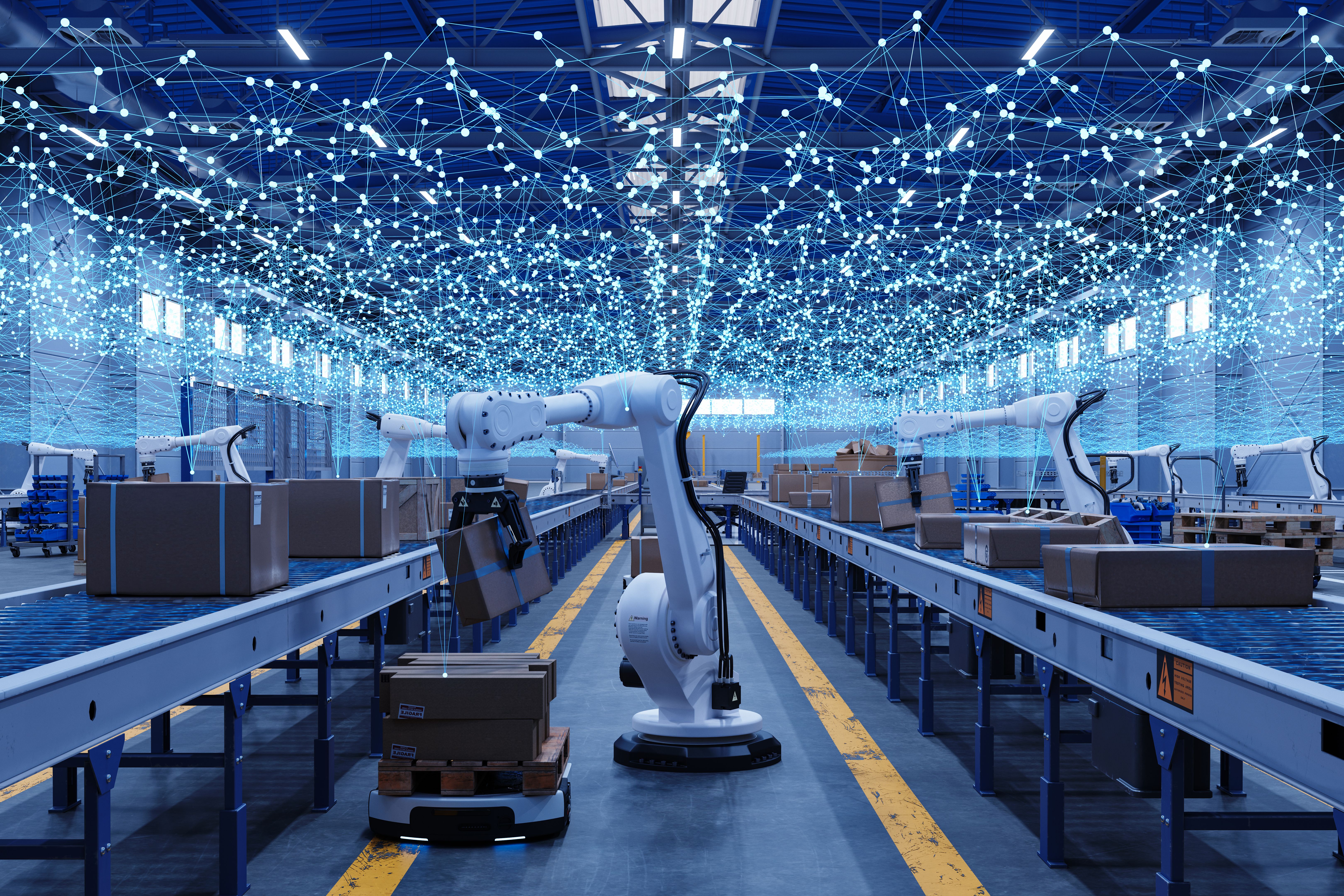
In manufacturing, AI-driven robots are key players in automating repetitive tasks. These robots can work tirelessly, improving production rates and maintaining high-quality standards. With the ability to learn and adapt, AI robots can identify defects in products faster than human inspectors, ensuring a consistent output. This capability is crucial for industries where precision is paramount.
Quality Control and Inspection
AI-powered vision systems are used extensively for quality control in manufacturing. These systems analyze visual data to detect flaws and ensure products meet stringent quality requirements. The integration of AI allows for real-time decision-making, which is particularly beneficial in high-speed production lines.
AI in Healthcare Androids
In the healthcare sector, AI in robotics is improving patient care and operational efficiency. Robots equipped with AI can assist in surgeries, providing surgeons with enhanced precision and reducing the risk of human error. Additionally, robots are being used for rehabilitation, offering personalized therapy to patients recovering from injuries.
Robotic Surgery
Robotic surgery systems, powered by AI, enable minimally invasive procedures with high accuracy. These systems provide surgeons with enhanced visualization and control, leading to better patient outcomes and faster recovery times. The use of AI ensures that these robots can adapt to varying surgical conditions and patient needs.

AI in Autonomous Vehicles
Autonomous vehicles are another area where AI in robotics is making significant strides. Self-driving cars use AI algorithms to navigate roads, interpret traffic signals, and avoid obstacles. This technology promises to revolutionize transportation by enhancing safety and reducing traffic congestion.
Navigation and Control Systems
The AI systems in autonomous vehicles process vast amounts of data from sensors to make real-time driving decisions. These include detecting pedestrians, interpreting road signs, and adapting to changing traffic conditions. The continuous improvement of AI algorithms ensures that autonomous vehicles become safer and more reliable.

Challenges and Future Prospects
Despite the remarkable advancements, the integration of AI in robotics also presents challenges. Ensuring data privacy, developing robust safety protocols, and addressing ethical concerns are crucial as AI technologies continue to evolve. However, the potential for AI to create more adaptive and intelligent robots is immense.
Ethical Considerations
As robots become more autonomous, ethical considerations around decision-making and accountability arise. It is essential to develop frameworks that ensure AI systems operate transparently and adhere to societal norms. Addressing these challenges will be key to the responsible advancement of AI in robotics.
The future of AI in the robotics industry is promising, with ongoing research and development paving the way for even more innovative applications. As technology progresses, AI-driven robots will continue to enhance human capabilities and transform industries worldwide.