Introduction to Humanoid Robots
Humanoid robots are fascinating creations that mimic human form and behavior. These robots are designed to interact with humans and their environments in ways similar to how people do. Their ability to perform complex tasks and adapt to various situations makes them invaluable in fields ranging from healthcare to customer service.
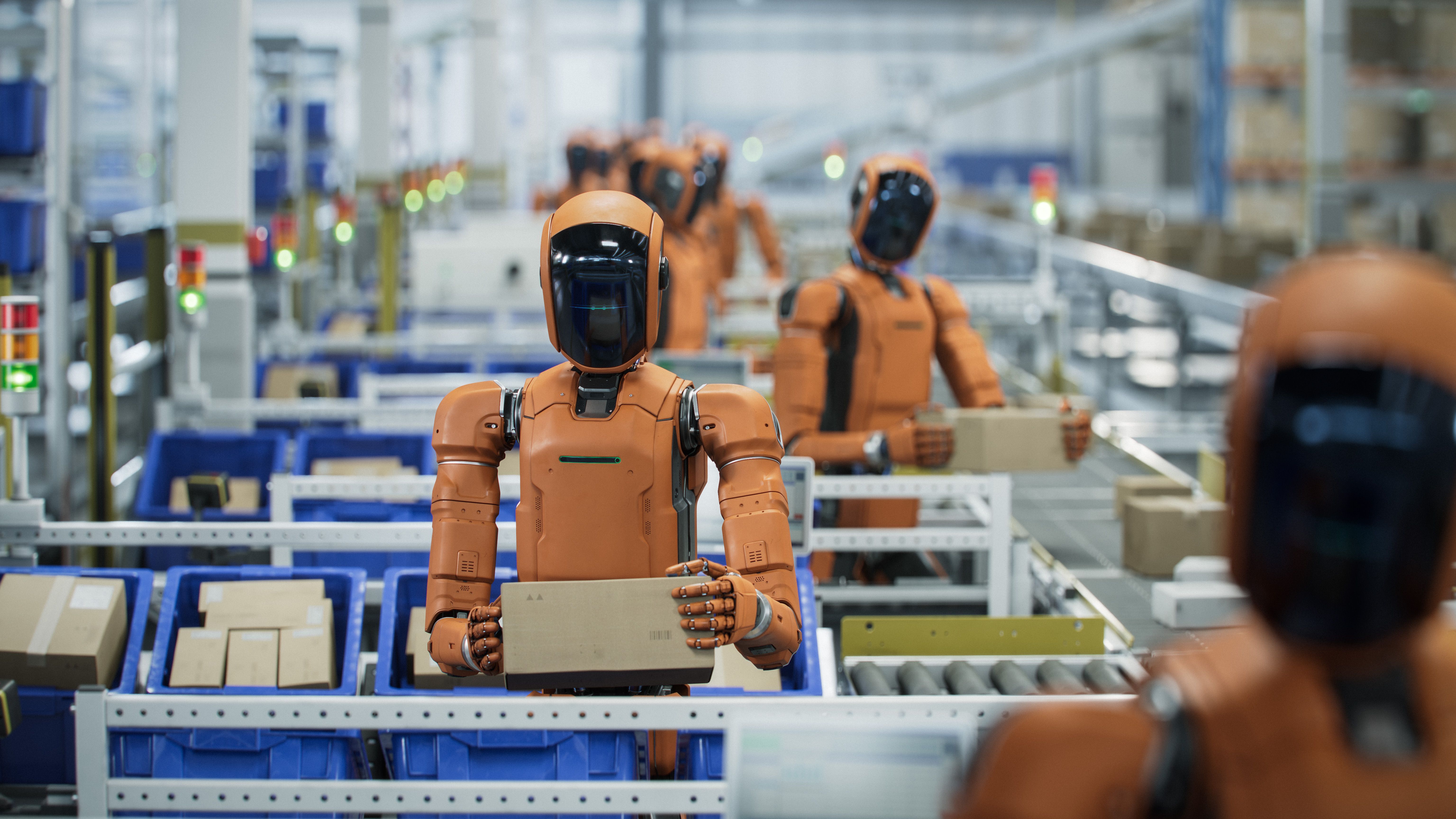
The Anatomy of a Humanoid Robot
At a basic level, humanoid robots are constructed with a head, torso, arms, and legs, resembling the human body. This design enables them to perform tasks in environments built for human use. The components are interconnected with sensors, actuators, and a central processing unit (CPU), which acts as the robot's brain.
Key components include:
- Sensors: These gather information about the environment, such as light, sound, and touch.
- Actuators: These are motors that move the robot's limbs and head.
- CPU: The central computer that processes information and makes decisions.
How Do Sensors Work?
Sensors are crucial for a humanoid robot's interaction with its surroundings. They provide the robot with data to understand its environment and make informed decisions. Common sensors include cameras for vision, microphones for sound, and tactile sensors for touch.
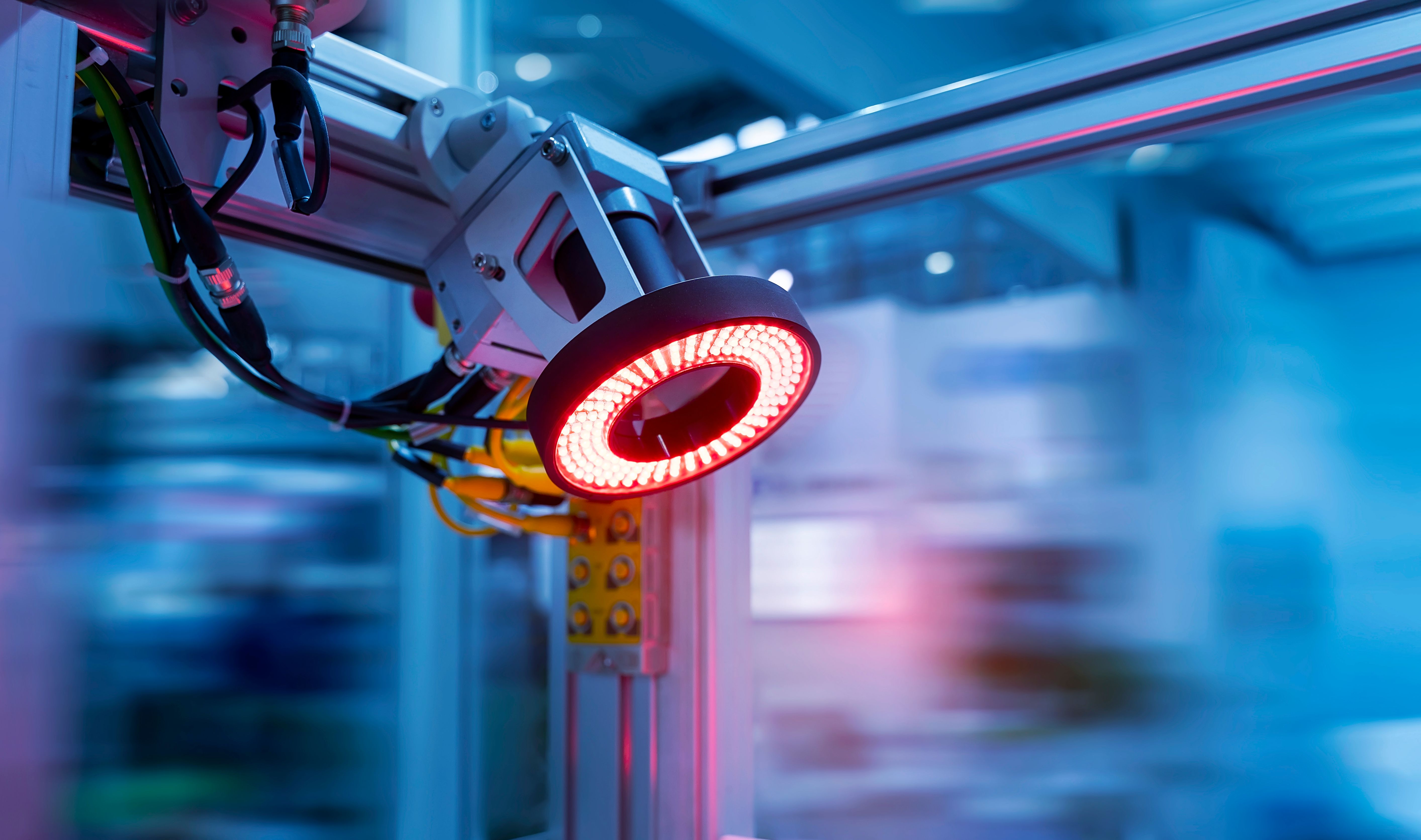
The Role of Actuators
Actuators are the muscles of humanoid robots. They convert electrical signals from the CPU into physical movements. Different actuators are used for various types of motion, such as servomotors for precise movements and hydraulic actuators for stronger, more forceful actions.
These actuators enable robots to perform tasks like walking, grasping objects, and even facial expressions, making their interactions more lifelike.
Control Systems and AI
The control system is the heart of a humanoid robot's functionality. It uses artificial intelligence (AI) to process sensor data and control actuators. AI algorithms allow the robot to learn from its environment, adapt to new situations, and improve its performance over time.

Applications of Androids
Humanoid robots are used in various fields. In healthcare, they assist with patient care and rehabilitation. In customer service, they provide information and assistance in retail environments. They are also used in research and education to inspire and educate future engineers and scientists.
Furthermore, humanoid robots are being developed for domestic use, helping with household chores and providing companionship to the elderly.
The Future of Androids
As technology advances, the capabilities of humanoid robots are expected to grow exponentially. Future developments may include enhanced AI, improved sensory and motor functions, and greater autonomy. These advancements will likely lead to more widespread use and acceptance of humanoid robots in everyday life.
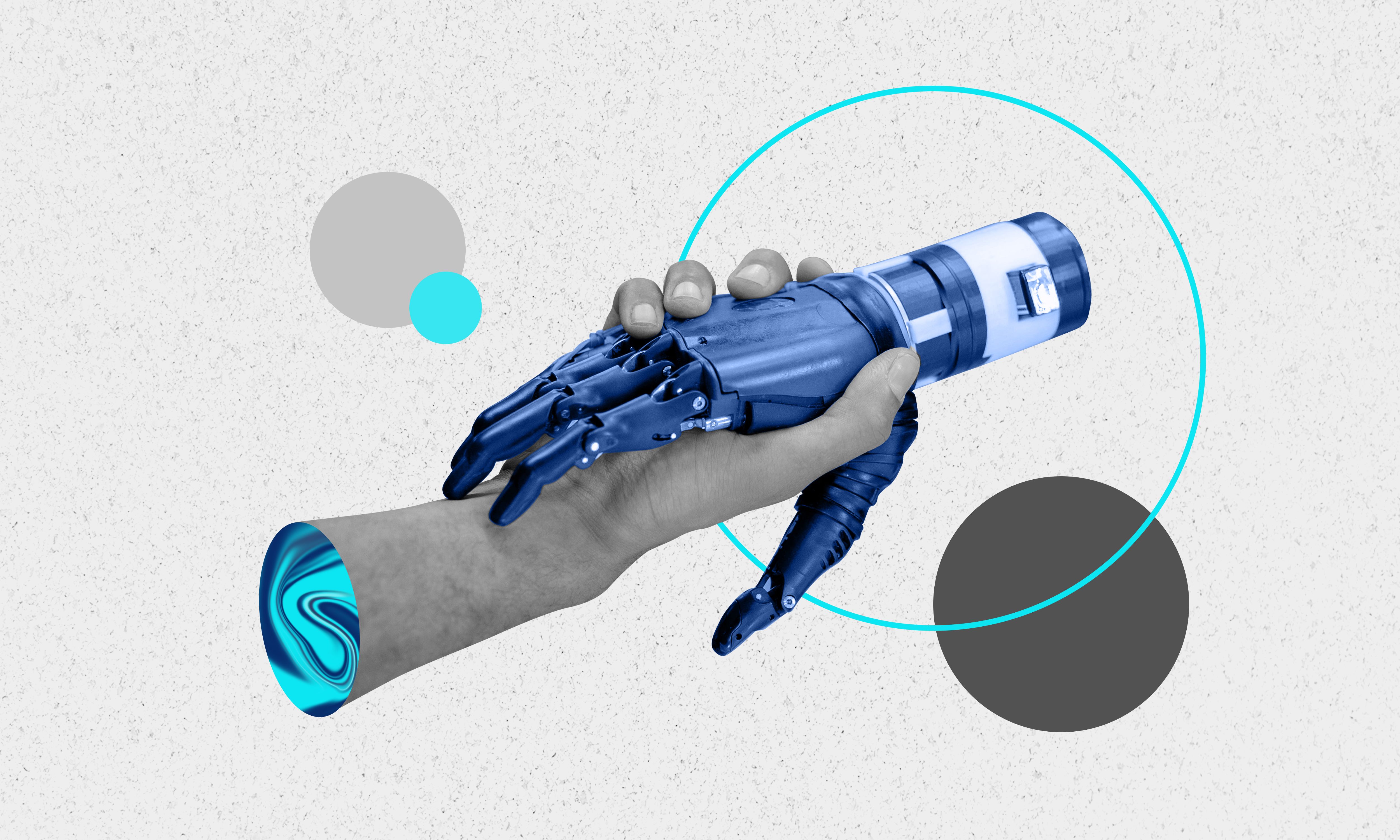
Understanding how humanoid robots work is the first step in appreciating their potential to transform industries and improve our daily lives. As they continue to evolve, these robots will undoubtedly play an increasingly important role in society.