Understanding the Latest Trends in Humanoid Robotics


The Rise of Humanoid Robotics
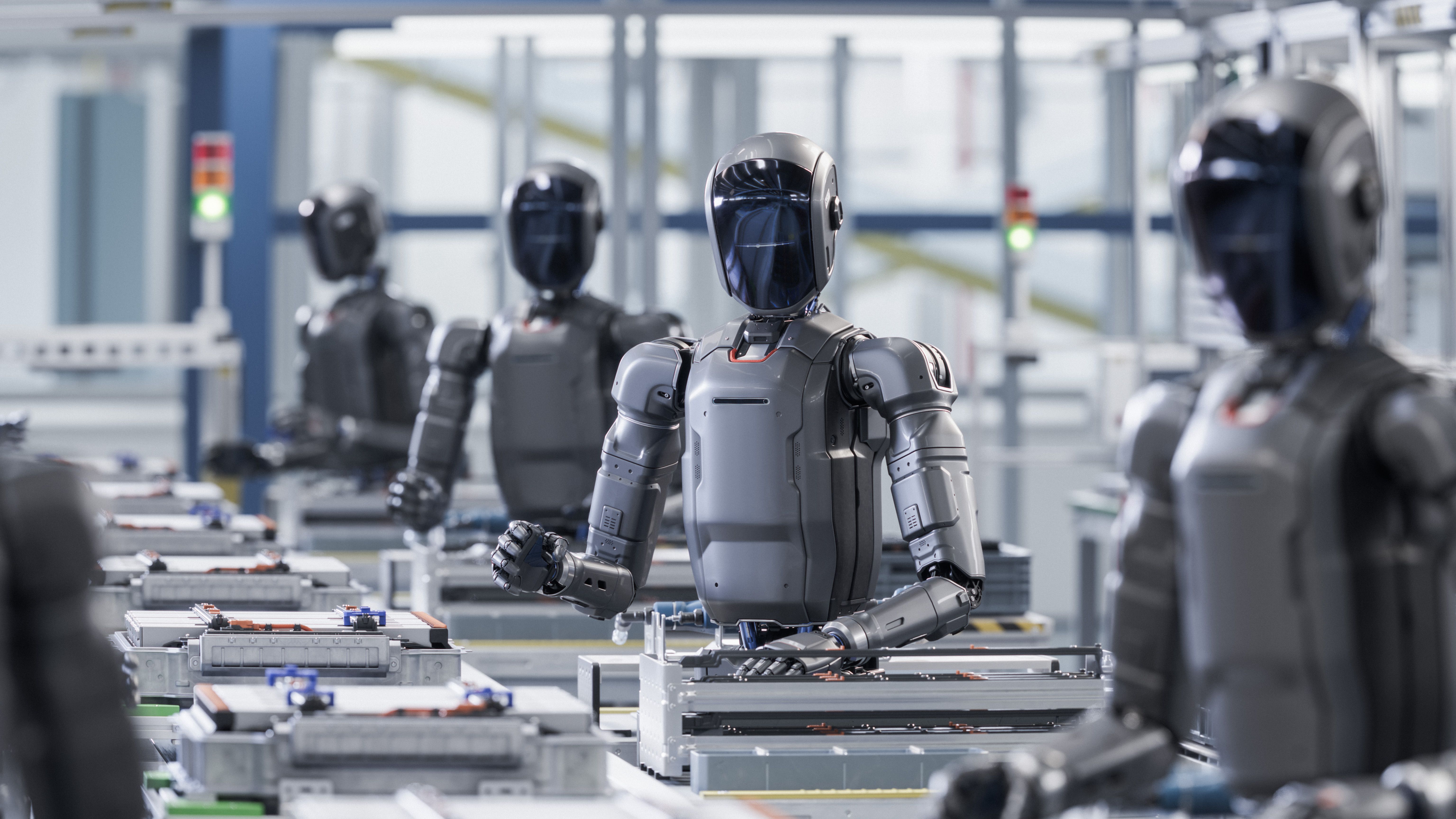
Humanoid robotics has seen remarkable advancements in recent years, transforming from science fiction to tangible reality. These robots, designed to resemble and mimic human behavior, are playing increasingly important roles across various industries. From healthcare to entertainment, humanoid robots are becoming integral to modern society.
Technological Innovations
The progress in humanoid robotics is driven by breakthroughs in several key areas of technology:
- Artificial Intelligence: AI algorithms empower robots with the ability to learn and adapt, making them more autonomous and efficient.
- Advanced Sensors: Modern sensors enhance a robot’s ability to perceive its environment, allowing for more precise interactions.
- Machine Learning: These algorithms enable robots to improve their performance by analyzing data and past experiences.
Applications in Healthcare
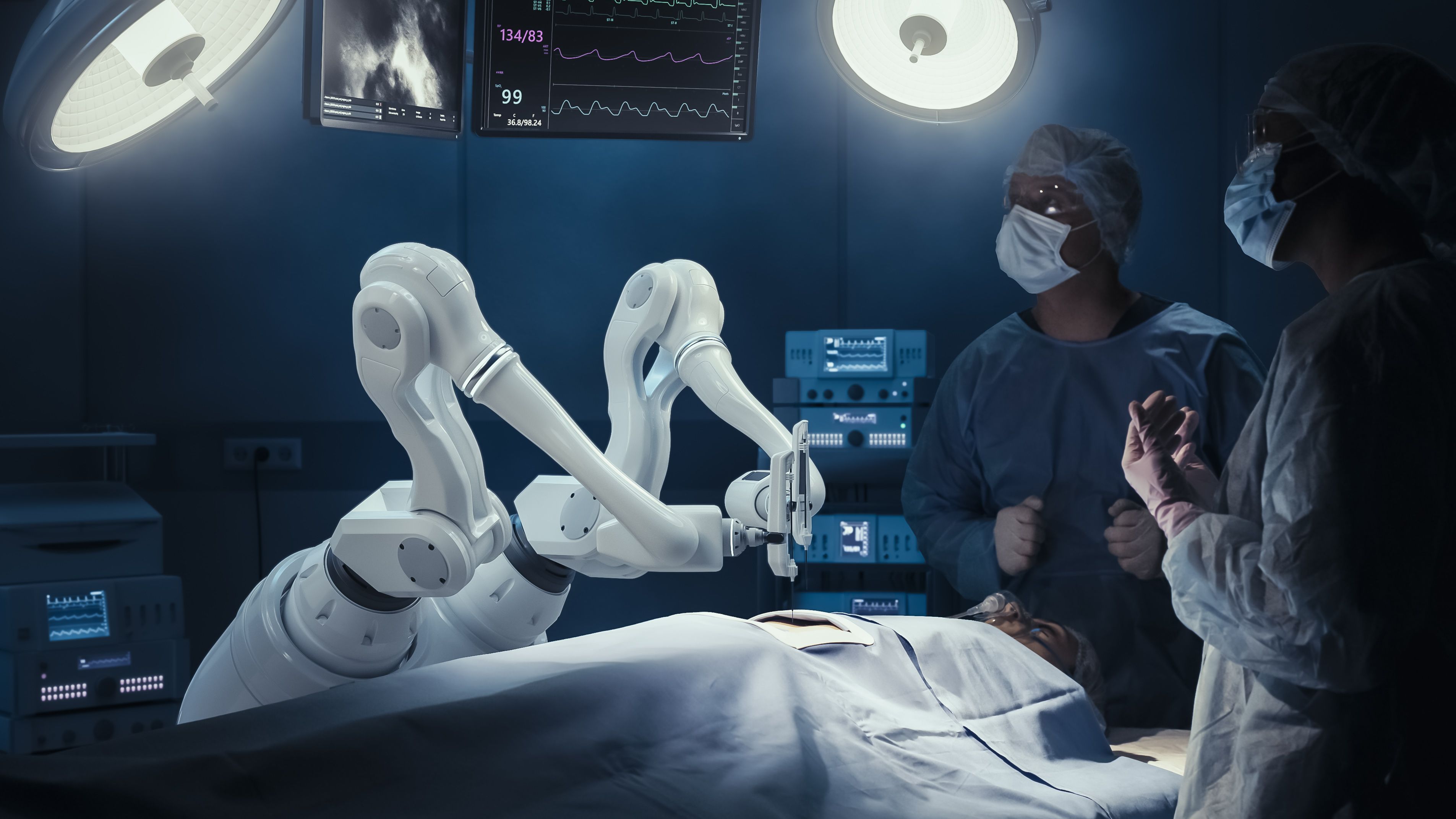
Humanoid robots are revolutionizing healthcare by providing assistance in surgeries, rehabilitation, and patient care. They offer support by performing repetitive tasks, allowing healthcare professionals to focus on more critical duties. Additionally, robots can provide companionship and emotional support to patients, especially the elderly.
Challenges in Humanoid Robotics
Despite the promising advancements, several challenges remain. These include improving the robots' ability to understand complex human emotions and making sure they can operate safely in dynamic environments. Ensuring data privacy and security is also a significant concern as robots become more integrated into daily life.
Ethical Considerations
As humanoid robots become more prevalent, ethical questions arise regarding their impact on employment and human interactions. It's crucial to balance technological progress with societal implications, ensuring that robots complement rather than replace human workers.

Future Prospects
The future of humanoid robotics is bright, with ongoing research focused on enhancing their capabilities. Potential developments include:
- Enhanced Emotional Intelligence: Improving robots' ability to recognize and respond to human emotions.
- Better Mobility: Designing robots that can navigate complex terrains with ease.
- Human-Robot Collaboration: Developing ways for humans and robots to work seamlessly together.
Conclusion
Humanoid robotics is at the forefront of technological innovation, with the potential to transform numerous aspects of our lives. By understanding and leveraging the latest trends, we can unlock new opportunities for progress and ensure that these advancements lead to a better future for all.