Top Applications of AI in the Robotics Industry


Introduction to AI in Robotics
The fusion of Artificial Intelligence (AI) and robotics has paved the way for groundbreaking advancements across various industries. From manufacturing to healthcare, AI-driven robots are transforming how tasks are executed. This synergy enhances efficiency, precision, and adaptability, making it an indispensable component in modern technology.

AI in Manufacturing Robotics
In the manufacturing sector, AI-powered robots are revolutionizing production lines. These robots are equipped with machine learning algorithms that enable them to adapt to new tasks with minimal human intervention. This adaptability significantly reduces downtime and increases productivity.
Moreover, AI enhances the precision of robotic arms, ensuring quality control and reducing waste. The ability to predict maintenance needs through AI analytics also minimizes disruptions, saving time and costs.

Healthcare Robotics
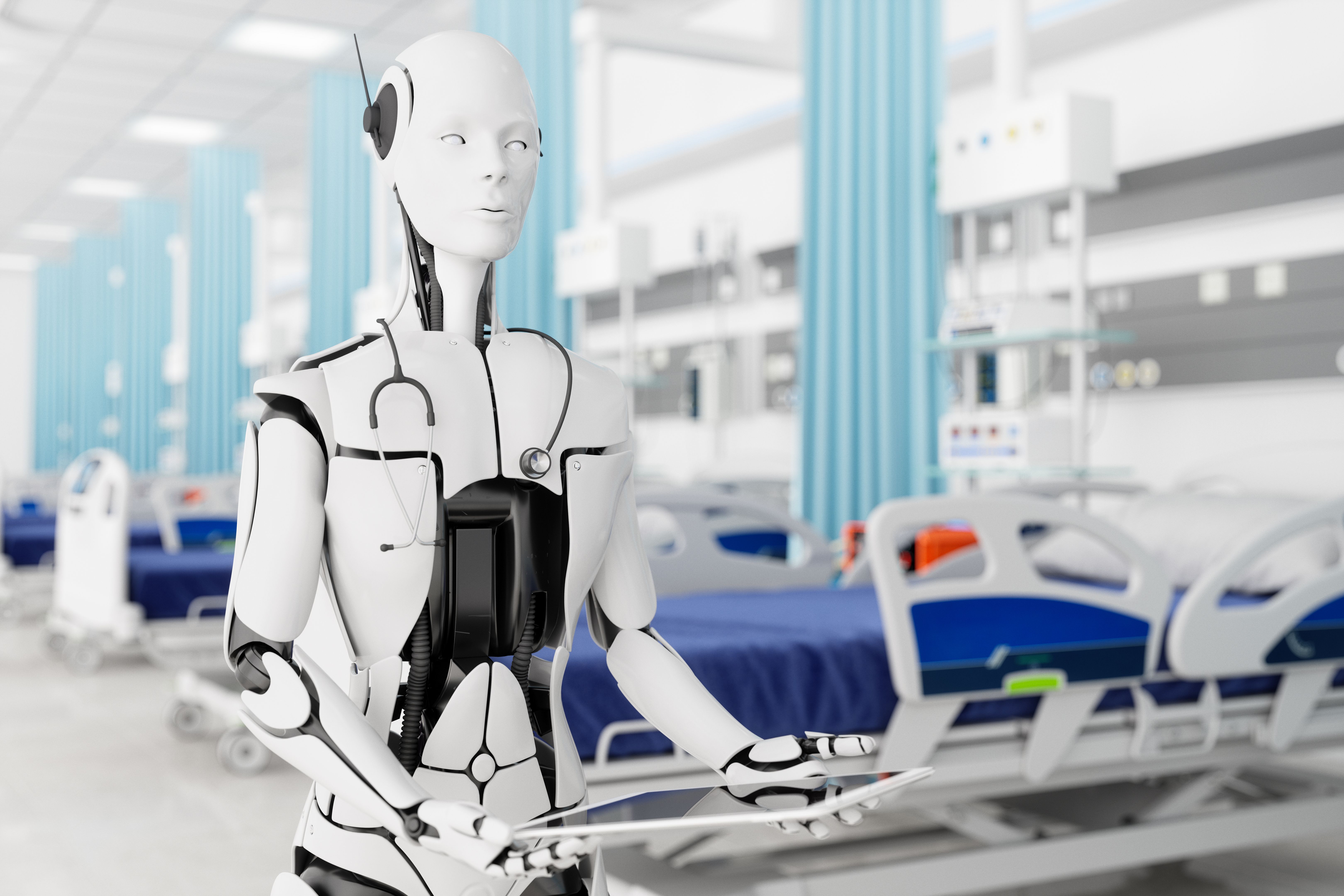
The impact of AI in healthcare robotics is profound, offering improved patient outcomes and efficiency. Surgical robots, guided by AI, provide surgeons with enhanced precision and control, reducing recovery times for patients. AI algorithms process vast amounts of medical data to assist in diagnosis and treatment planning.
Robots in rehabilitation and elder care support patients by offering personalized care plans and monitoring vital signs, ensuring timely interventions when necessary. This application not only improves patient care but also alleviates the workload on healthcare professionals.
AI in Autonomous Vehicles
AI is at the heart of the development of autonomous vehicles, which rely on advanced robotics to navigate and make real-time decisions. These vehicles use AI to process data from sensors and cameras, enabling them to detect obstacles, interpret traffic signals, and make split-second decisions.
- Improved safety through real-time data analysis
- Enhanced fuel efficiency
- Reduction in human error

AI-Driven Logistics and Warehousing
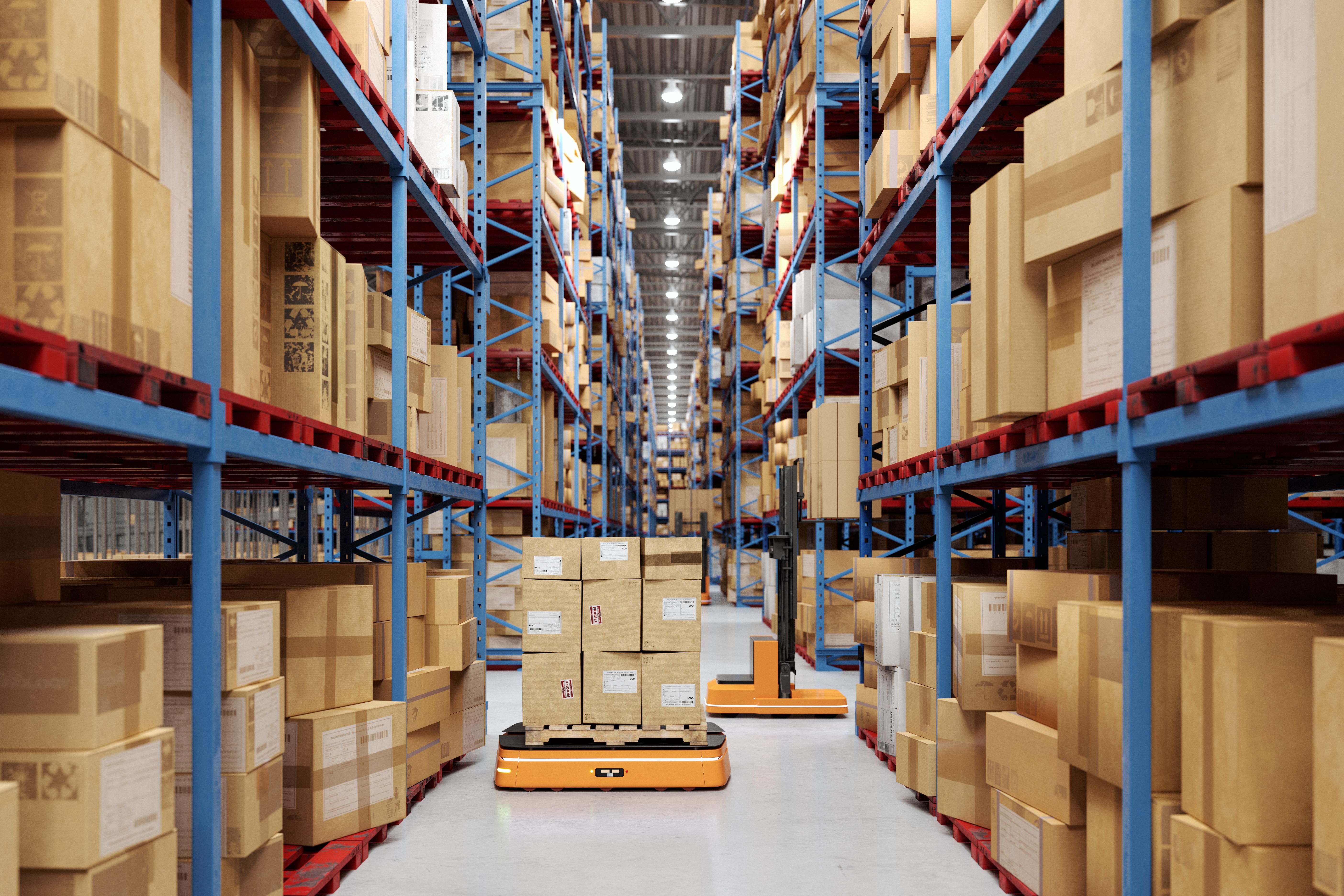
The logistics industry benefits greatly from AI in robotics. Robots equipped with AI systems optimize warehouse operations by automating tasks such as sorting, packing, and inventory management. This leads to faster processing times and reduced errors.
AI-powered robots also enhance supply chain management by predicting demand and optimizing delivery routes, resulting in cost savings and improved customer satisfaction.
Conclusion
The integration of AI in the robotics industry is continuously evolving, offering incredible opportunities for innovation and efficiency across various sectors. As AI technology advances, we can expect even more sophisticated applications that will further revolutionize industries and improve our daily lives.
AI and robotics together are shaping a future where machines and humans work in harmony, achieving tasks that were once thought impossible. The potential is limitless, and the journey is just beginning.