Introduction to AI in Androids
The integration of Artificial Intelligence (AI) in the robotics industry is driving significant innovations and shaping the future of automation. From manufacturing to healthcare, AI-powered robots are transforming how industries operate, offering unprecedented efficiency and capabilities.

AI in Manufacturing Androids
One of the most prominent applications of AI in robotics is within the manufacturing sector. AI-driven robots are enhancing production lines by performing tasks with precision and speed. These robots can adapt to changes in the production process, ensuring minimal downtime and maximizing output.
Quality Control
AI is also playing a crucial role in quality control. With advanced sensors and machine learning algorithms, robots can detect defects and anomalies in products with high accuracy, reducing waste and improving overall product quality.

Healthcare and Medical Androids
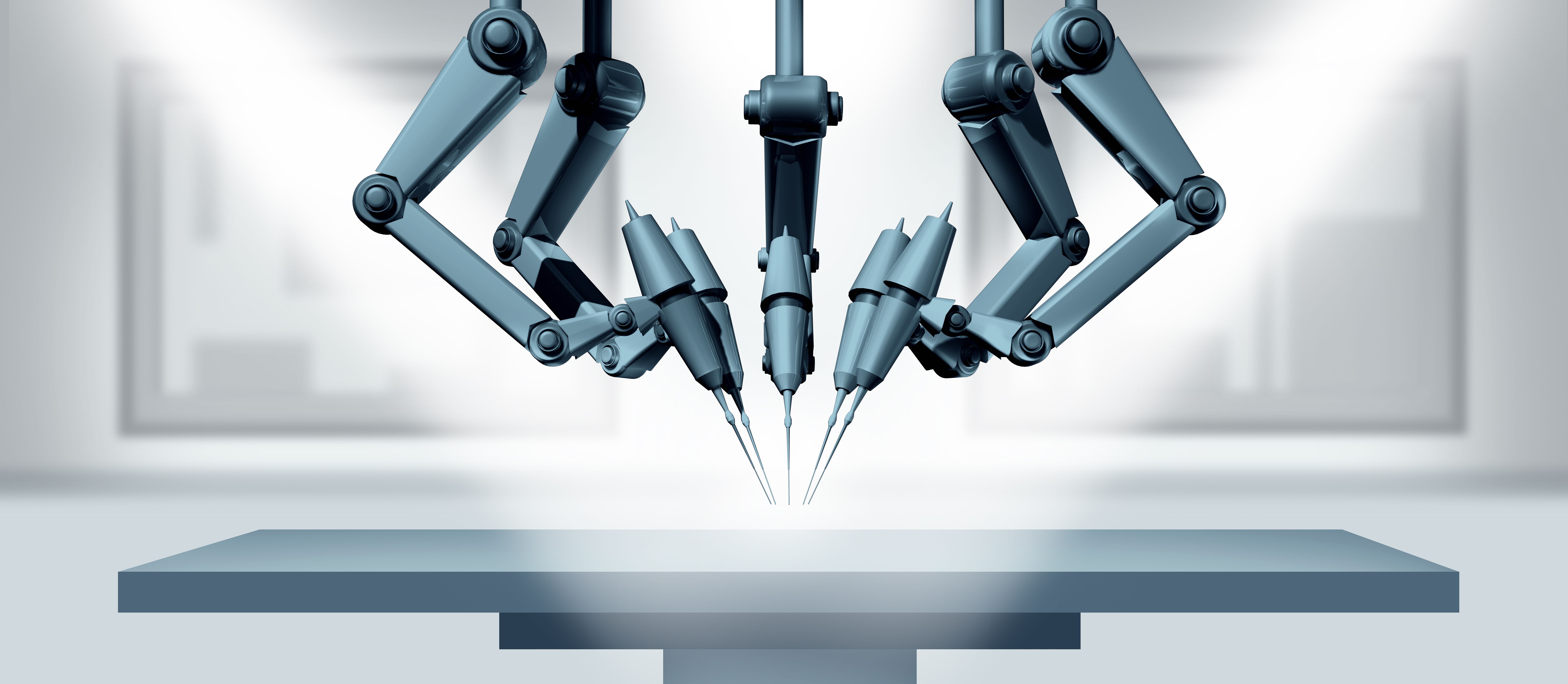
In the healthcare industry, AI-powered robots are revolutionizing patient care. From surgical robots that perform complex procedures with precision to robots that assist in rehabilitation, AI is enhancing healthcare delivery.
Robotic Surgery
Robotic surgery is a significant breakthrough, providing surgeons with enhanced dexterity and precision. AI algorithms help in planning and executing surgical procedures, reducing risks and improving patient outcomes.
Logistics and Supply Chain Automation
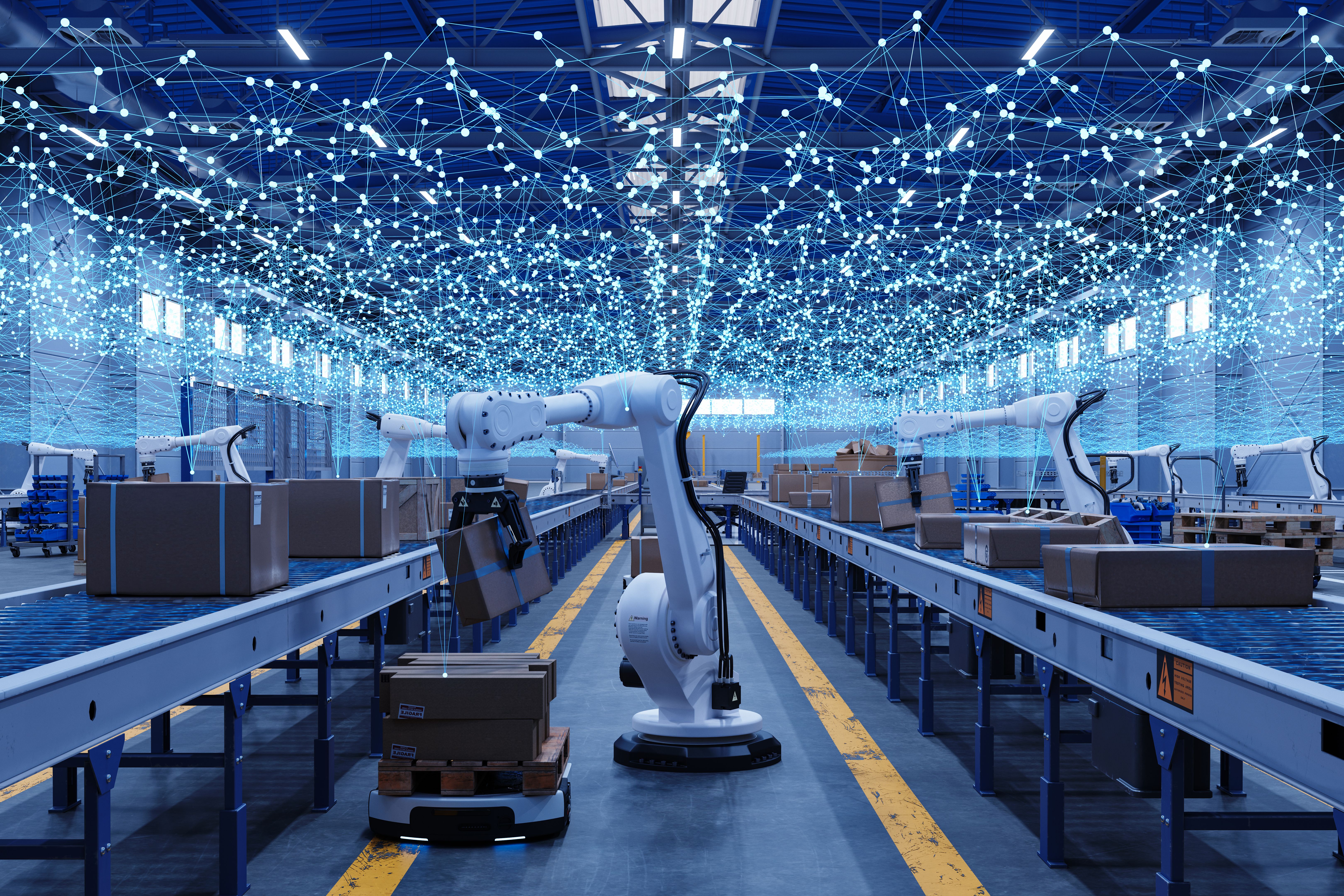
AI is transforming logistics and supply chain management by automating processes such as inventory management, order fulfillment, and transportation. AI-enabled robots are capable of handling tasks like sorting, packing, and transporting goods efficiently.
Warehouse Automation
In warehouses, AI-powered robots are optimizing operations by autonomously navigating aisles, picking items, and managing inventory. This automation reduces human error and speeds up the supply chain.
Trends Shaping the Future of AI and Androids
Several trends are shaping the future of AI in the robotics industry, such as the development of collaborative robots (cobots) that work alongside humans, enhancing human capabilities and safety. Additionally, advancements in AI algorithms are enabling robots to learn from their environment and improve over time.
Collaborative Robots
Cobots are designed to work with humans, making tasks safer and more efficient. They are equipped with sensors and AI to understand human actions and intentions, creating a seamless collaboration.
The continuous innovation in AI and robotics promises a future where these technologies will become even more integrated into everyday life, driving further advancements across multiple industries.