Top AI-Powered Androids Revolutionizing the Market


Introduction to AI-Powered Androids
The world of robotics has seen remarkable advancements over the past few years, with AI-powered humanoid robots at the forefront of this technological revolution. These robots are designed to mimic human actions and interact with the environment in ways that were once confined to science fiction. From customer service to healthcare, humanoid robots are transforming industries.
Androids in Healthcare
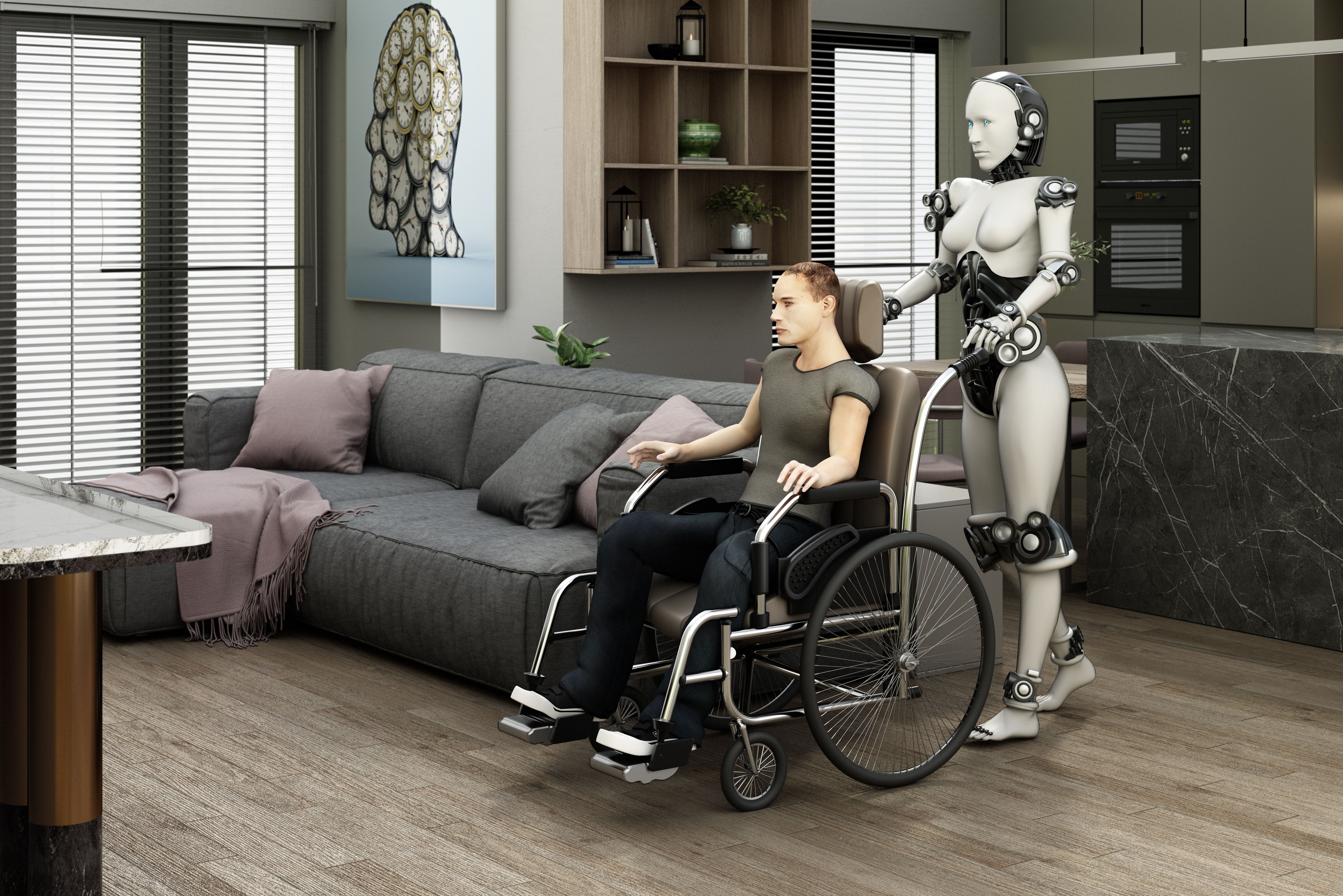
AI-powered humanoid robots are making significant strides in the healthcare sector. They assist with surgeries, rehabilitation, and even elder care. One notable example is the use of robots in surgical procedures, where they provide precision and control that surpass human capabilities. These robots can perform minimally invasive surgeries, reducing recovery times and improving patient outcomes.
In elder care, humanoid robots offer companionship and assistance with daily activities, enhancing the quality of life for seniors. They can monitor vital signs, remind patients to take medications, and even provide entertainment through interactive games and conversations.
Customer Service Revolution
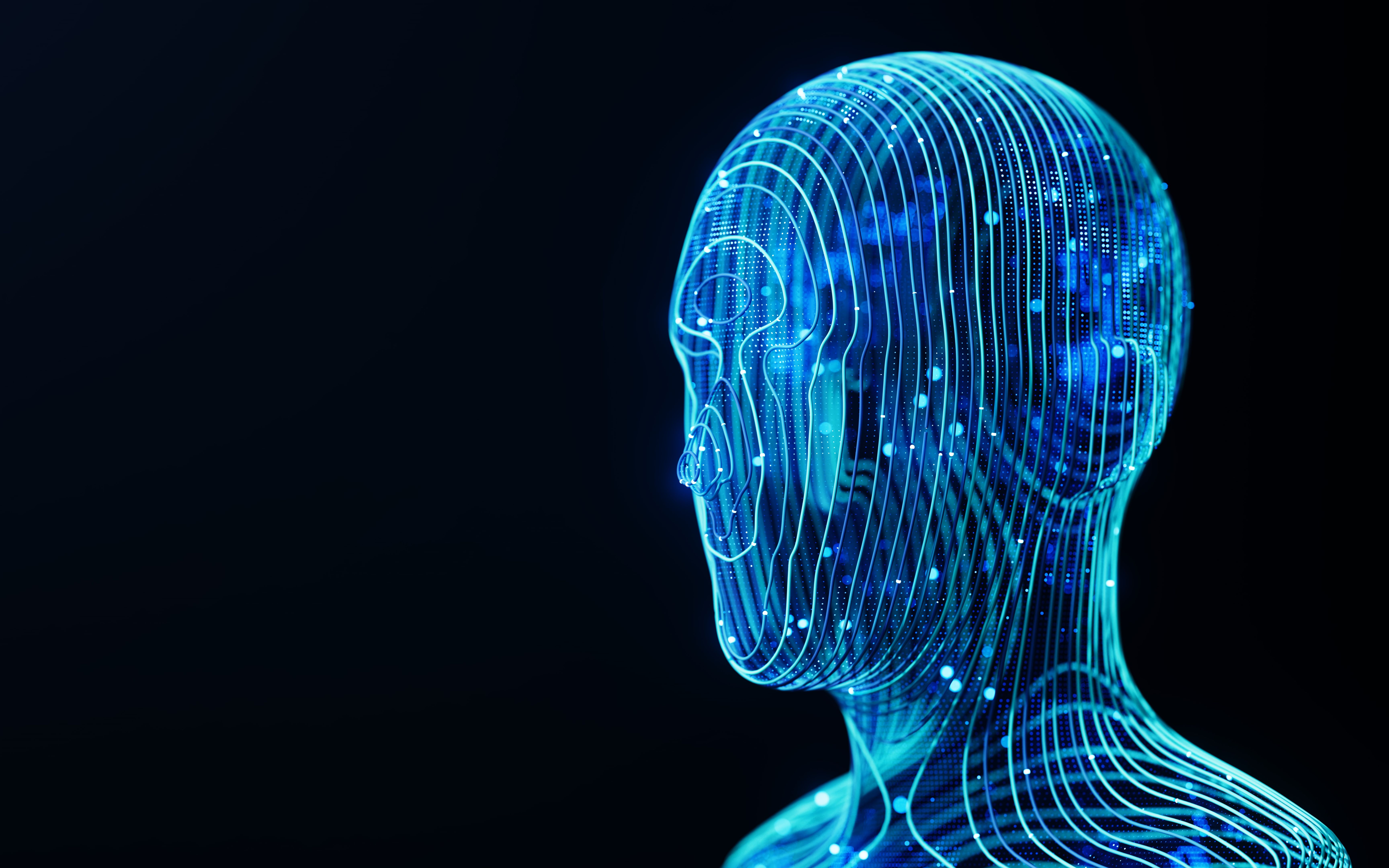
In the realm of customer service, humanoid robots are becoming invaluable assets. They are deployed in hotels, airports, and shopping centers to assist customers with inquiries and provide information. These robots are capable of understanding and responding to a wide range of human emotions, making interactions more personal and engaging.
- 24/7 availability
- Multilingual capabilities
- Consistent performance without fatigue
Education and Learning
Humanoid robots are also making their mark in education. They serve as teaching assistants, providing personalized learning experiences for students. By adapting to individual learning styles, these robots help students grasp complex concepts more effectively. They also offer interactive lessons that keep students engaged and motivated.
Industrial and Manufacturing Applications
In industrial settings, humanoid robots are enhancing productivity and safety. They are employed to perform tasks that are dangerous or repetitive for humans. By taking on these roles, robots help reduce workplace injuries and increase efficiency. Their ability to work alongside human counterparts seamlessly is a testament to their advanced design and programming.
Moreover, these robots are equipped with AI algorithms that enable them to learn from their environment, improving their performance over time. This adaptability is crucial in dynamic industrial environments where tasks may change frequently.
Conclusion
AI-powered humanoid robots are not just a glimpse into the future; they are actively shaping the present. Their applications across various industries highlight their versatility and potential to revolutionize the way we live and work. As technology continues to advance, the capabilities and roles of humanoid robots will only expand, promising a future where humans and robots coexist harmoniously.