Artificial Intelligence (AI) has rapidly evolved over the past few years, and its impact on various industries is becoming increasingly evident. From healthcare to finance, AI is transforming the way businesses operate, making processes more efficient, and unlocking new opportunities for growth. In this blog post, we will explore the future of AI in business and how it is revolutionizing industries.
Enhancing Customer Experience
One of the key areas where AI is making a significant impact is in enhancing customer experience. With the help of AI-powered chatbots and virtual assistants, businesses can provide personalized and efficient customer support round the clock. These intelligent systems can understand customer queries, provide relevant information, and even make recommendations, resulting in improved customer satisfaction.

Streamlining Operations
AI is also revolutionizing the way businesses streamline their operations. Machine learning algorithms can analyze vast amounts of data to identify patterns, trends, and insights, enabling businesses to make data-driven decisions. This helps in optimizing processes, reducing costs, and improving overall efficiency.
Automating Repetitive Tasks
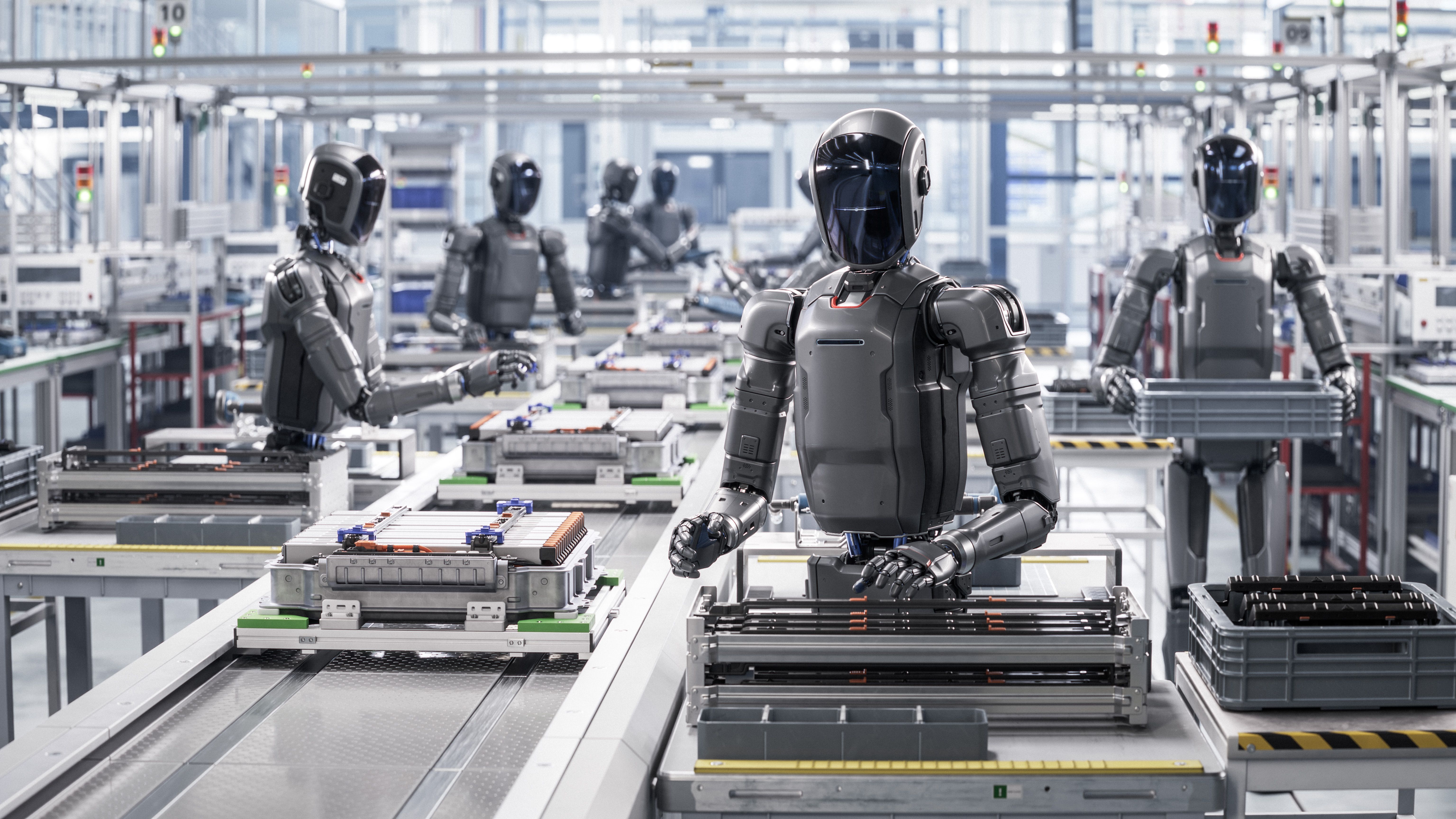
Repetitive and mundane tasks can consume a significant amount of time and resources. However, with AI, businesses can automate these tasks, freeing up human resources to focus on more strategic and creative work. Whether it's data entry, inventory management, or customer support, AI-powered systems can handle these tasks with speed and accuracy.
Improving Decision Making
AI is also transforming the decision-making process within businesses. Advanced analytics and predictive modeling techniques enable businesses to make more informed decisions based on data-driven insights. This not only improves the accuracy of decision-making but also reduces the risk of human error.
Unlocking New Opportunities
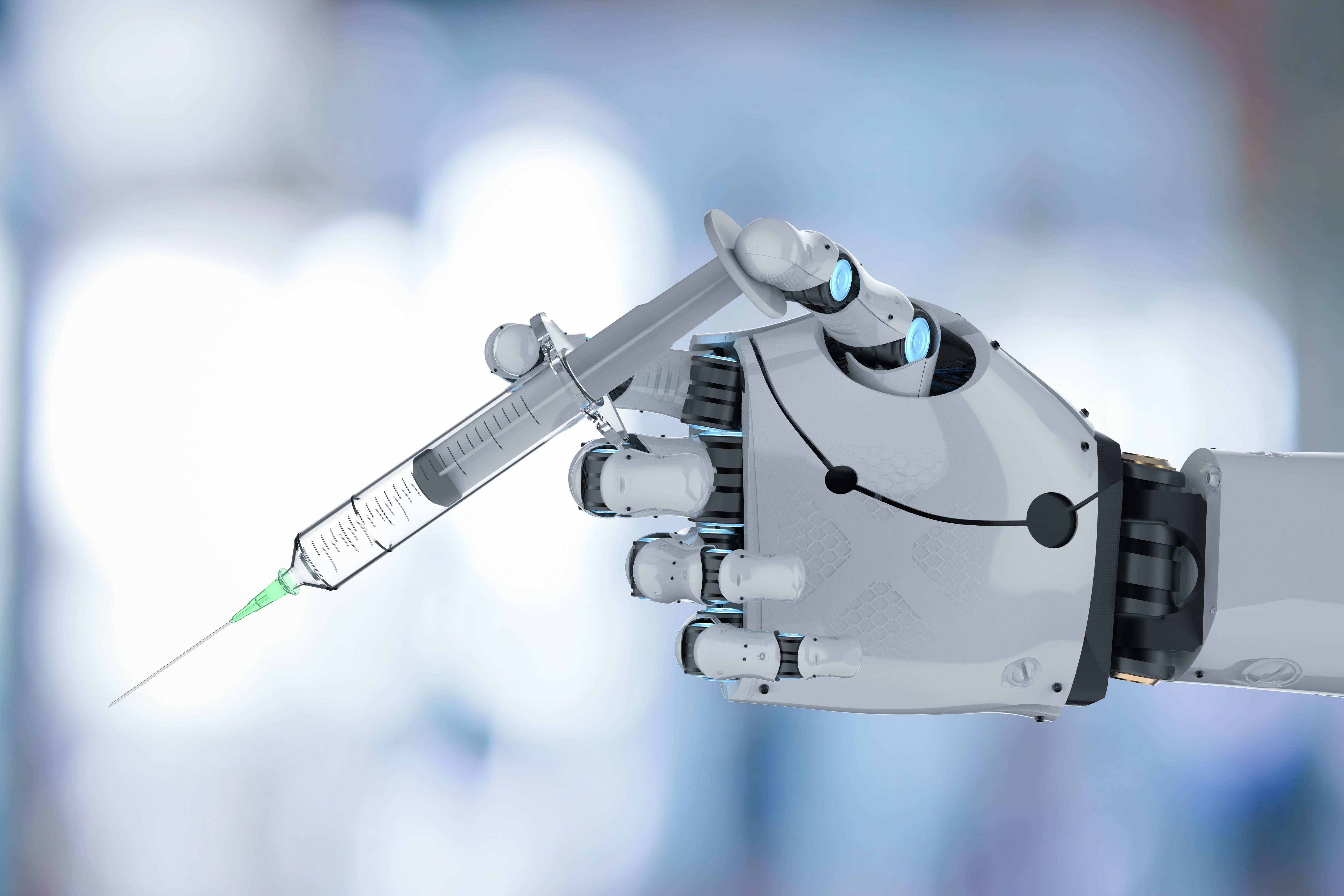
The capabilities of AI are constantly expanding, opening up new opportunities for businesses. For example, in the healthcare industry, AI can assist in diagnosing diseases, analyzing medical images, and even developing personalized treatment plans. In finance, AI-powered algorithms can analyze market trends and make investment recommendations. The potential applications of AI are vast and continue to grow.
Addressing Challenges
While the future of AI in business is promising, it also poses certain challenges. The ethical implications of AI, such as privacy concerns and bias in algorithms, need to be addressed. Additionally, businesses need to ensure that employees are equipped with the necessary skills to work alongside AI systems.
Conclusion
AI is transforming industries by enhancing customer experience, streamlining operations, automating tasks, improving decision-making, and unlocking new opportunities. As businesses embrace AI technologies, they will be able to gain a competitive edge, increase efficiency, and drive innovation. The future of AI in business is bright, and it is crucial for businesses to adapt and leverage this transformative technology.