The Evolution of Androids: From Concept to Reality


Early Concepts of Humanoid Robots
The idea of humanoid robots has fascinated people for centuries. Early concepts often appeared in literature and art. Writers and artists imagined machines that could mimic human actions. These early visions laid the groundwork for future innovations.
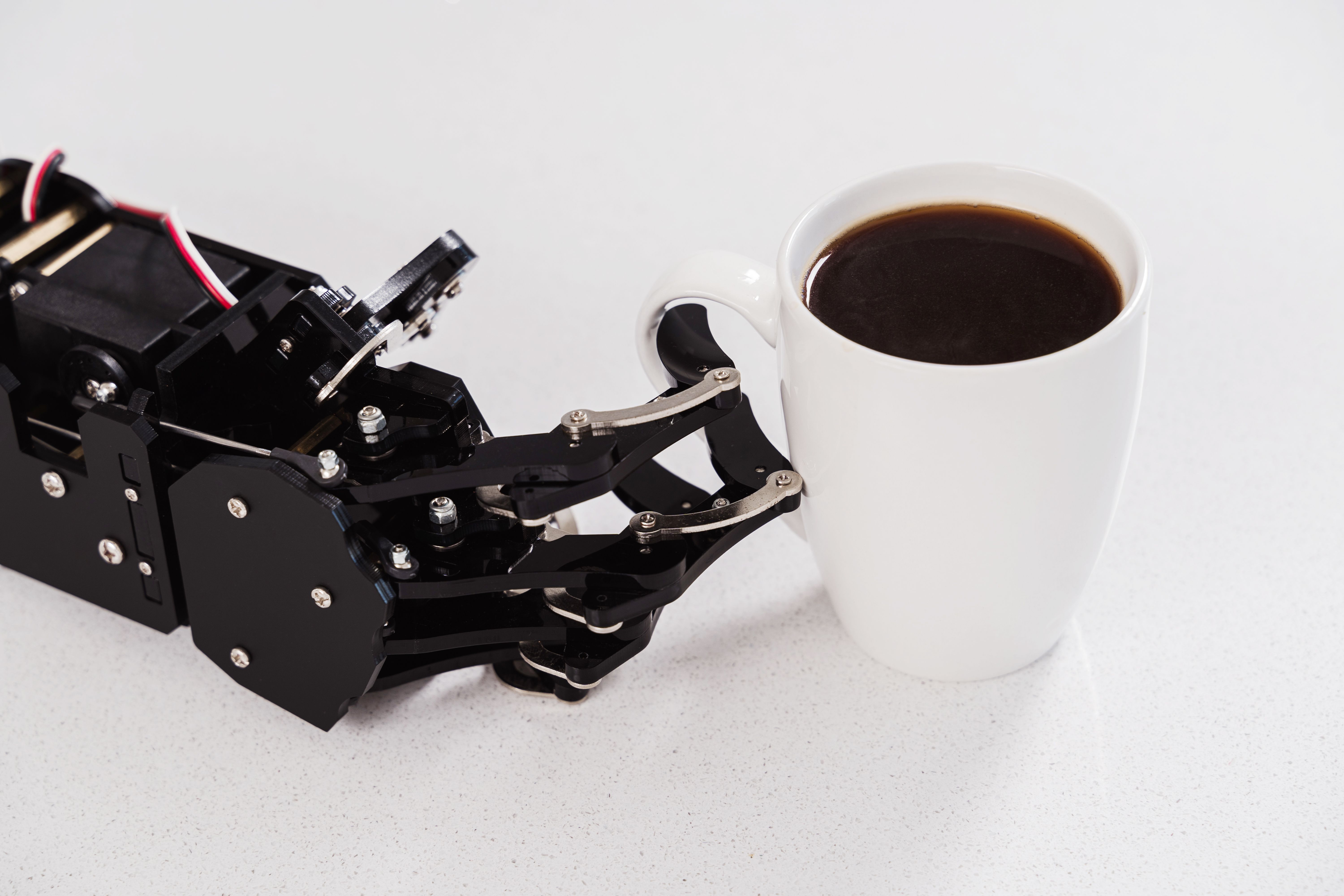
continued.
Technological Advances
The development of microprocessors in the 1970s was a turning point. These small, powerful chips allowed robots to perform complex tasks. Engineers could now design robots with better movement and control. This period saw the birth of the first true humanoid robots.
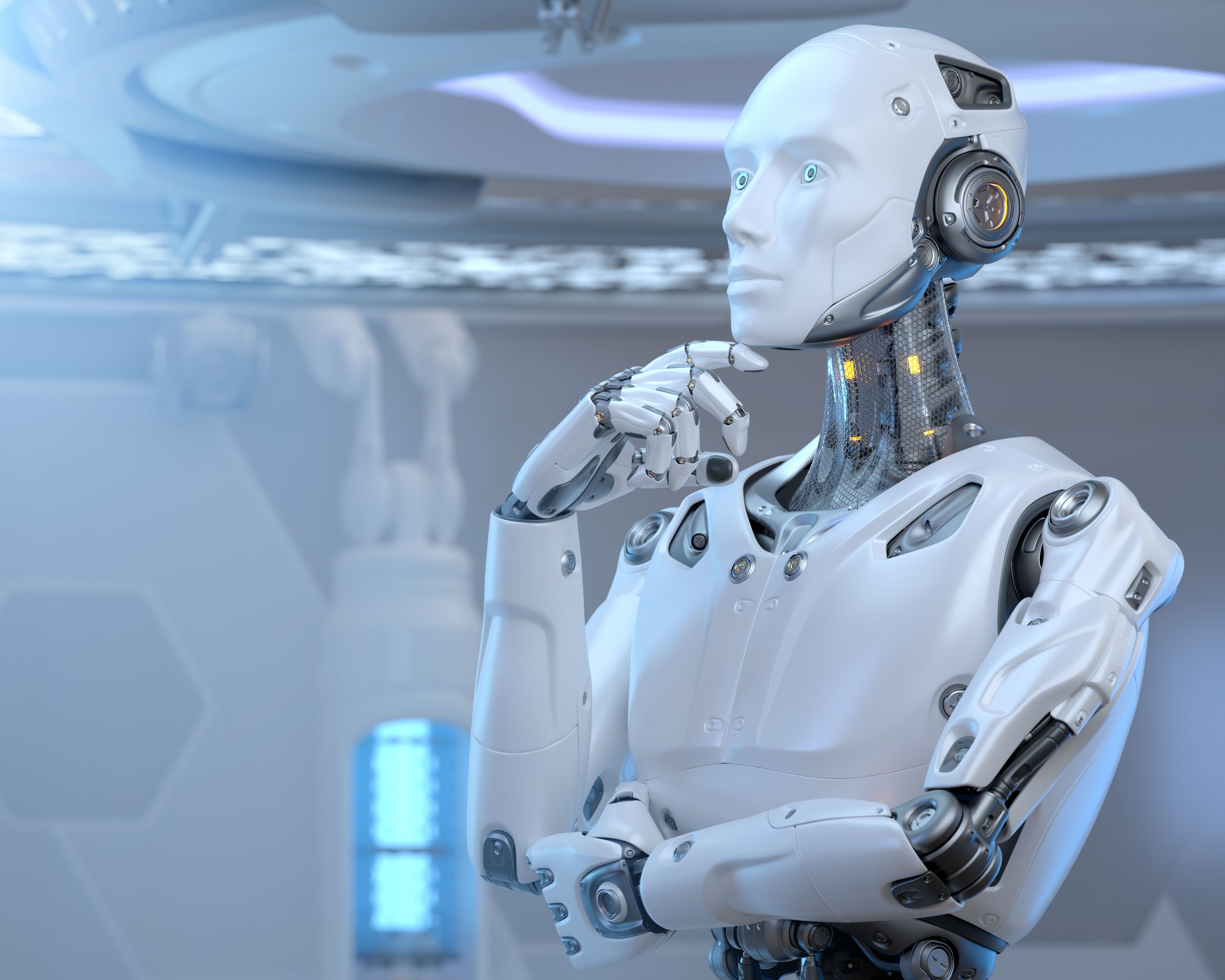
their environment and improve their performance. This capability brings us closer to robots that can interact naturally with humans.
Modern Humanoid Robots
Today, humanoid robots are more advanced than ever. They can walk, talk, and even recognize faces. Companies around the world are developing robots for various applications. From healthcare to customer service, humanoid robots are becoming more common.
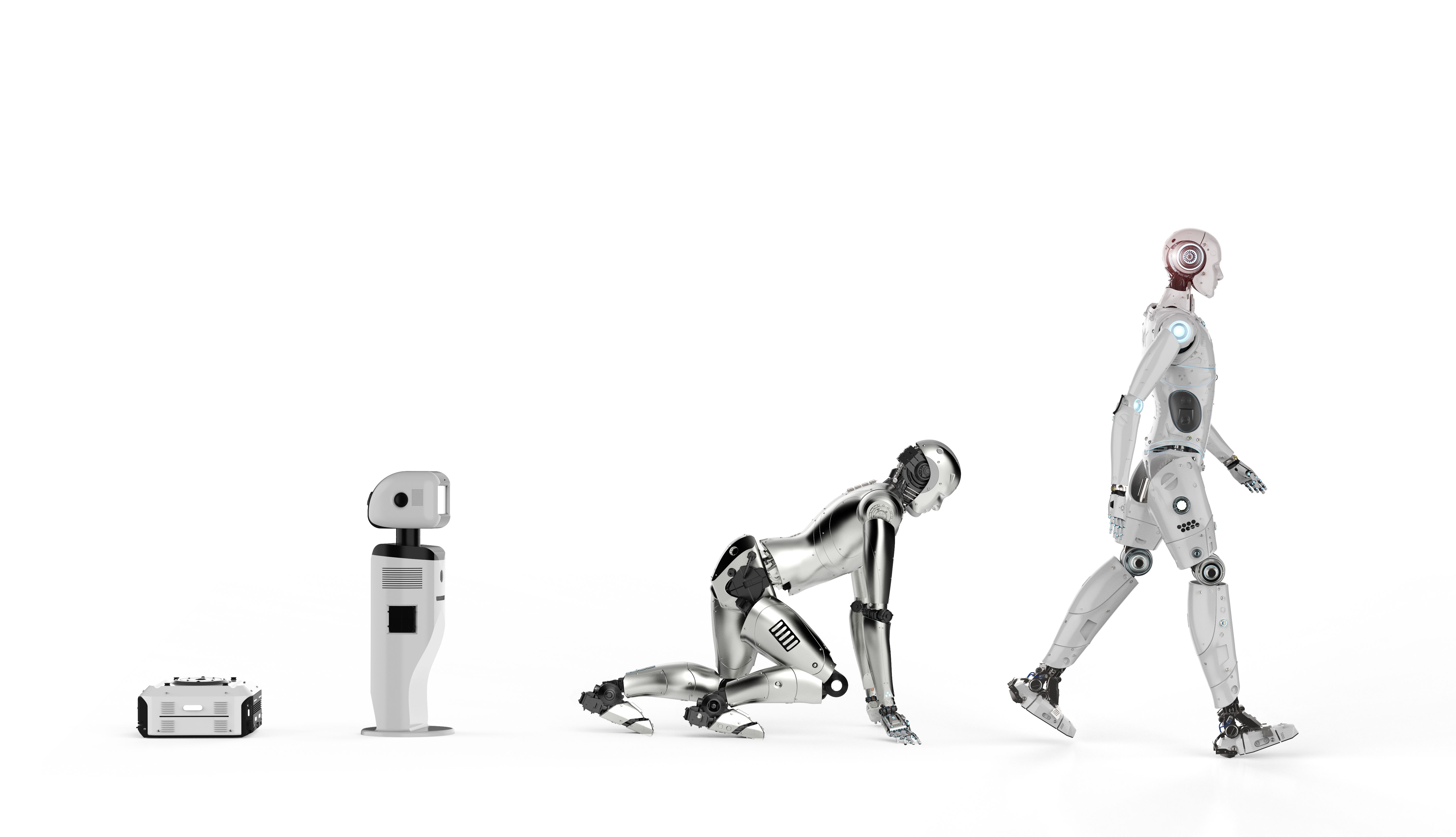
Challenges and Future Directions
Despite the progress, there are still challenges to overcome. Building robots that can fully replicate human behavior is complex. Engineers must address issues related to movement, perception, and interaction. These challenges require ongoing research and innovation.
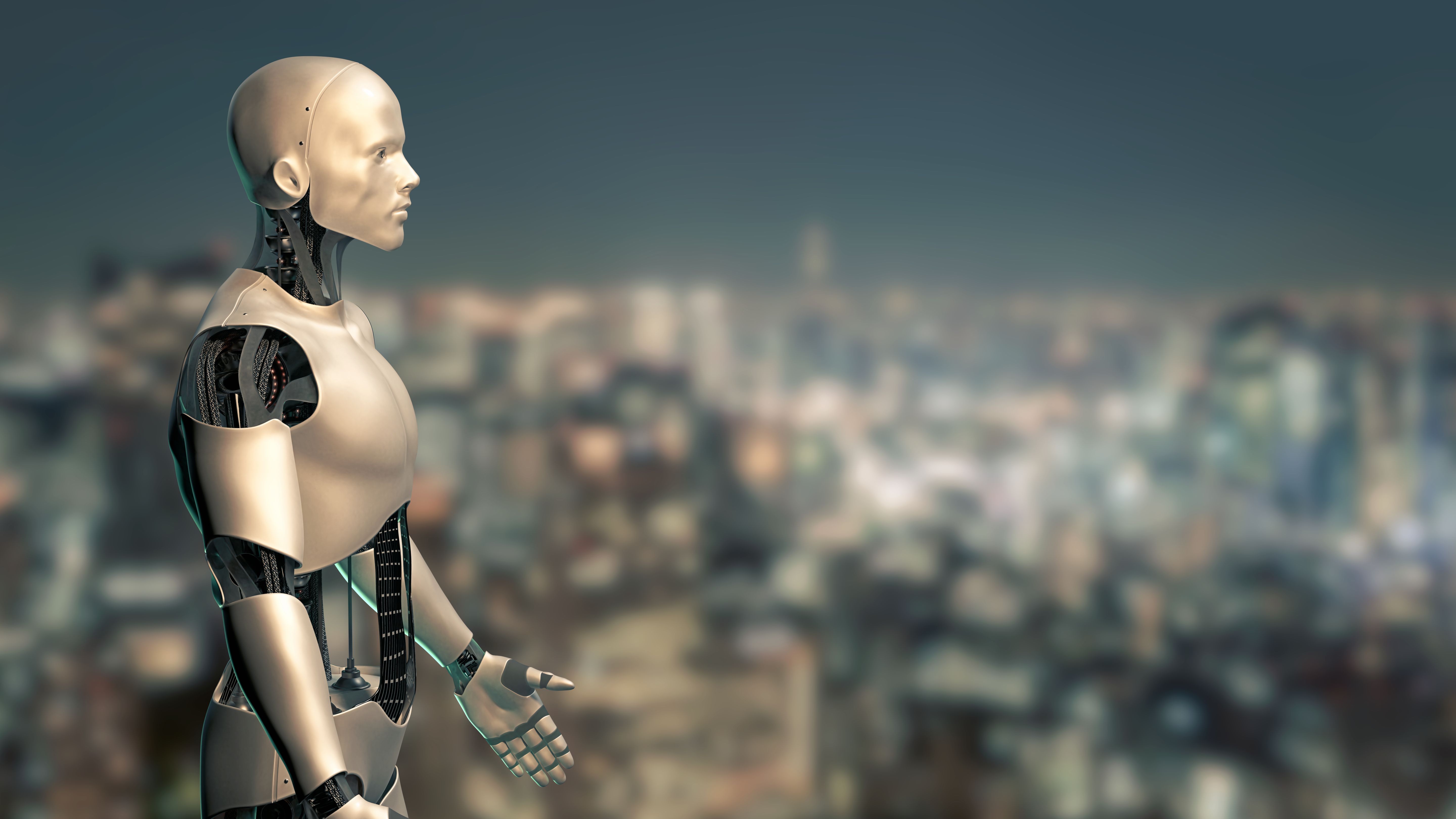
tasks we never thought possible. The journey from concept to reality is ongoing, and the possibilities are endless.