Latest Innovations in Autonomous Robots


Revolutionizing Industries with Autonomous Robots
Autonomous robots are rapidly transforming industries, offering innovative solutions and enhancing productivity. From manufacturing to healthcare, these robots are paving the way for a future where automation plays a crucial role in everyday operations. As technology evolves, so do the capabilities of these robotic systems.
Advanced Navigation and Mapping
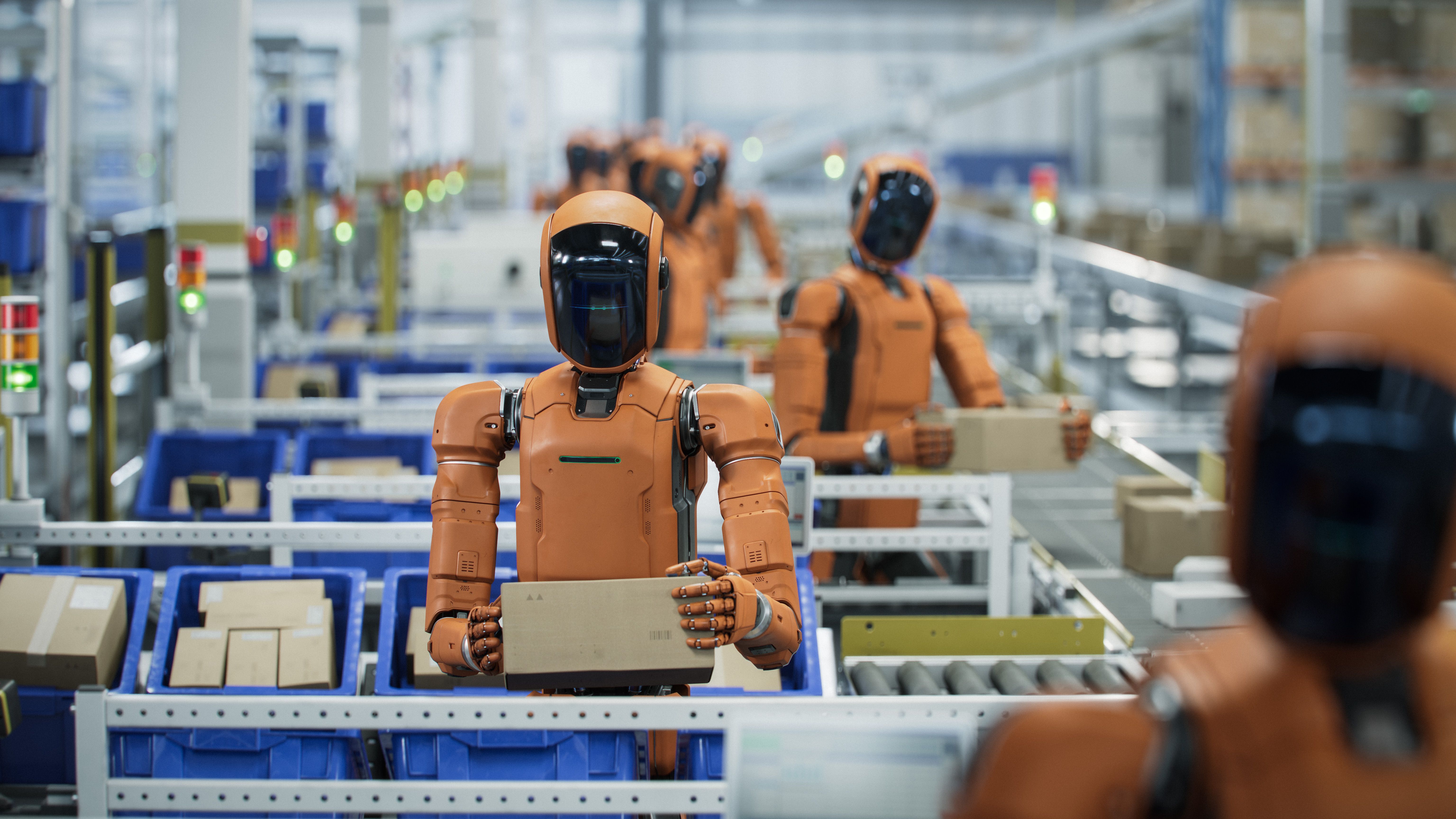
One of the most significant advancements in autonomous robots is their ability to navigate complex environments independently. Using sophisticated algorithms and sensors, these robots can create detailed maps of their surroundings, allowing them to move efficiently without human intervention. This capability is particularly beneficial in industries like logistics, where robots can optimize warehouse operations by identifying the quickest routes for picking and placing items.
Moreover, innovations in LiDAR technology and computer vision have further enhanced the precision of these robots. They can now detect and avoid obstacles in real-time, ensuring safe operations even in dynamic environments.

Collaborative Robots in Manufacturing
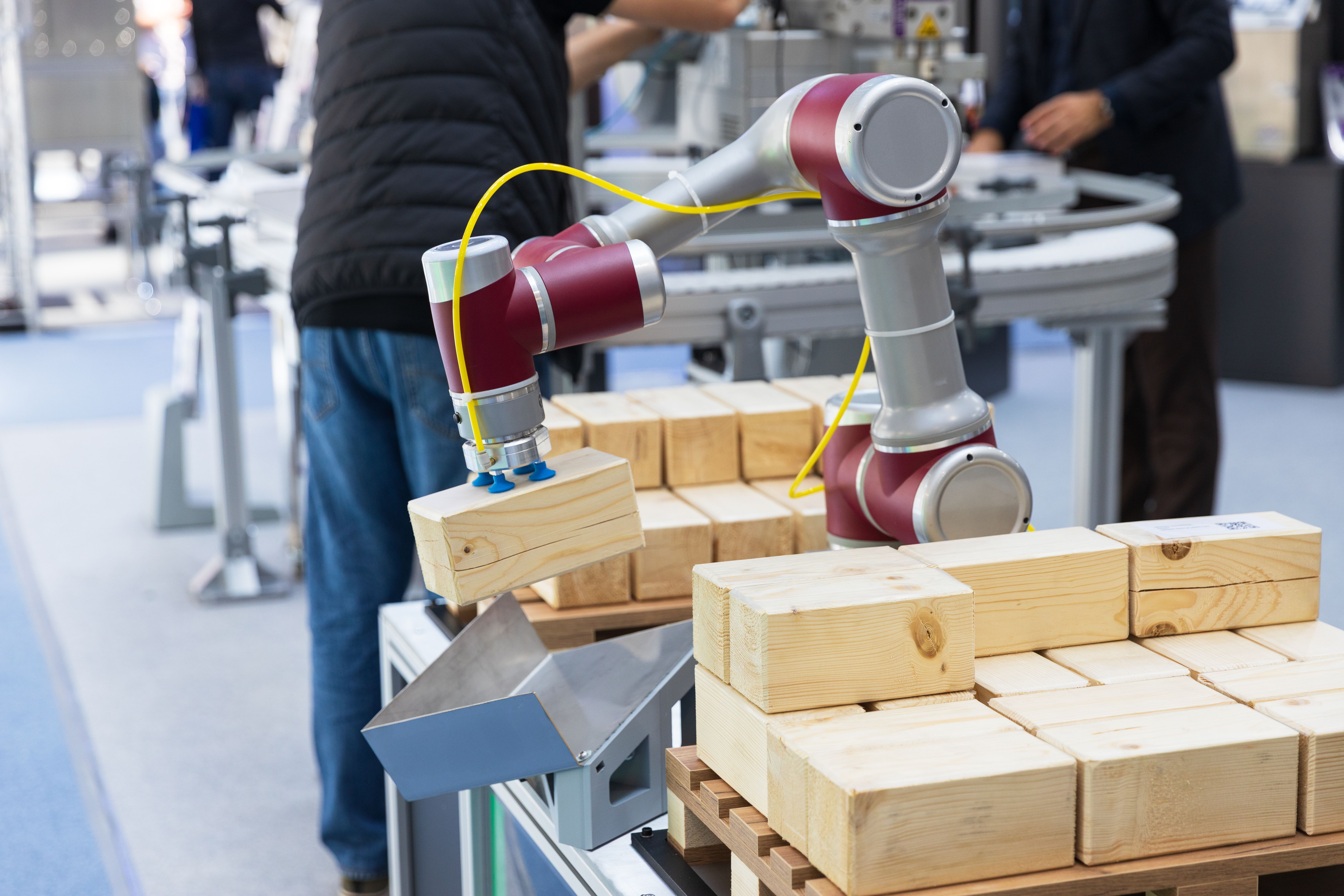
Collaborative robots, or cobots, are designed to work alongside humans, enhancing the manufacturing process. Unlike traditional industrial robots, cobots are equipped with advanced safety features, making them suitable for shared workspaces. They can handle repetitive, mundane tasks, allowing human workers to focus on more complex and creative activities.
These robots are not only improving efficiency but also reducing the risk of workplace injuries. By taking over dangerous tasks, cobots contribute to a safer working environment, which is a significant advantage in sectors like automotive and electronics manufacturing.
Autonomous Robots in Healthcare
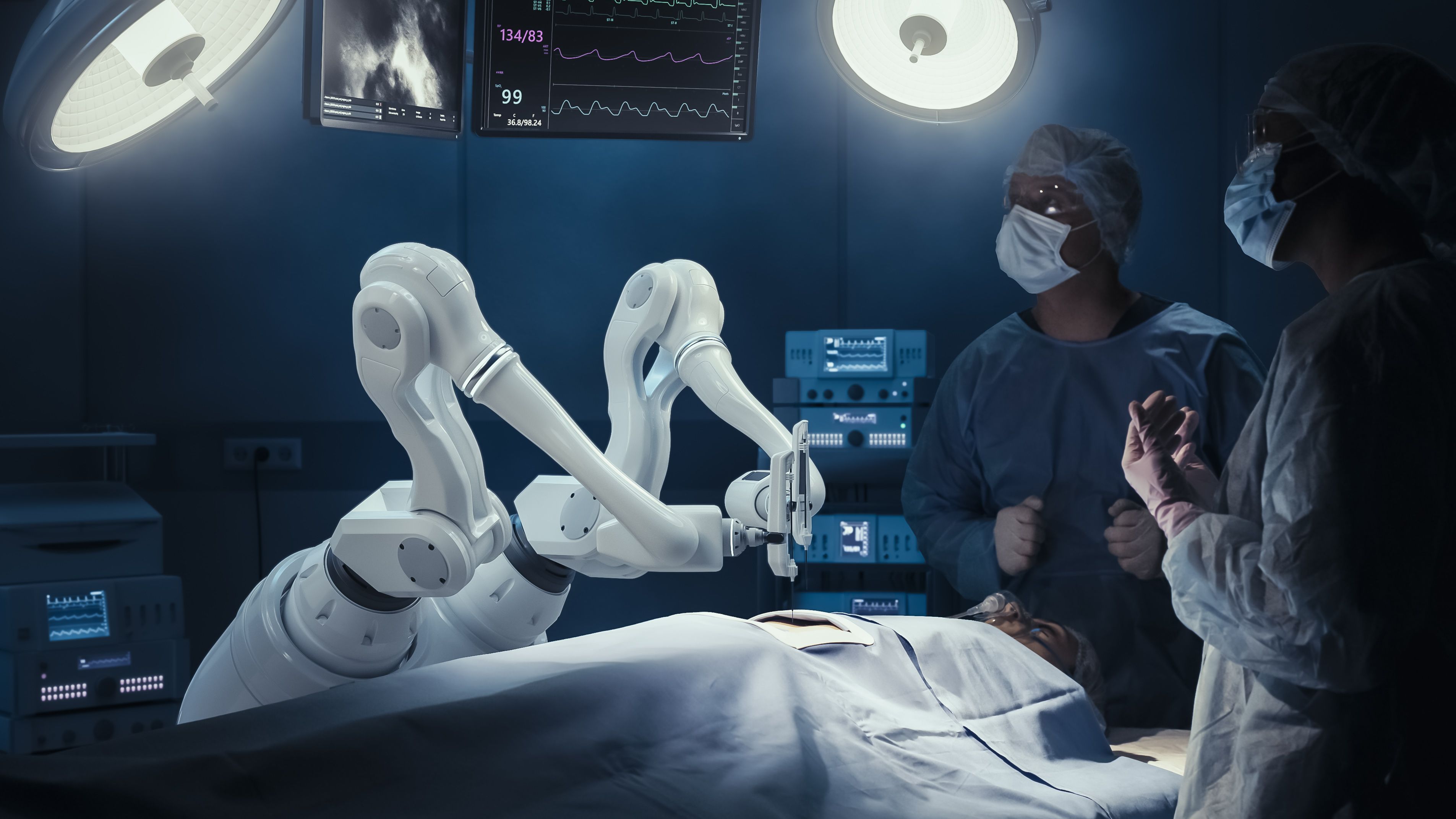
The healthcare sector is witnessing a surge in the use of autonomous robots. From surgical assistants to delivery robots, these innovations are enhancing patient care and optimizing hospital operations. Surgical robots, for instance, offer precision and minimal invasiveness, leading to quicker recovery times for patients.
Additionally, autonomous delivery robots are streamlining logistics within hospitals. They can transport medications, samples, and other supplies, reducing the workload on healthcare staff and allowing them to focus more on patient care.
Challenges and Future Prospects
While the advancements in autonomous robots are impressive, several challenges remain. Ensuring data security, improving energy efficiency, and enhancing human-robot interaction are critical areas that require ongoing research and development.
Despite these challenges, the future of autonomous robots looks promising. As AI and machine learning technologies continue to evolve, we can expect robots to become even more intelligent and capable, opening up new possibilities across various industries.
In conclusion, the latest innovations in autonomous robots are reshaping the industrial landscape. By embracing these technologies, businesses can achieve greater efficiency, safety, and productivity, driving progress and growth in the years to come.