AI-Driven Surgical Robots
One of the most groundbreaking applications of AI in robotics is in the field of surgery. AI-driven surgical robots are transforming operating rooms by enhancing precision and reducing human error. These robots can analyze data from previous surgeries to improve techniques and outcomes. Surgeons now collaborate with AI to perform complex procedures with increased accuracy.
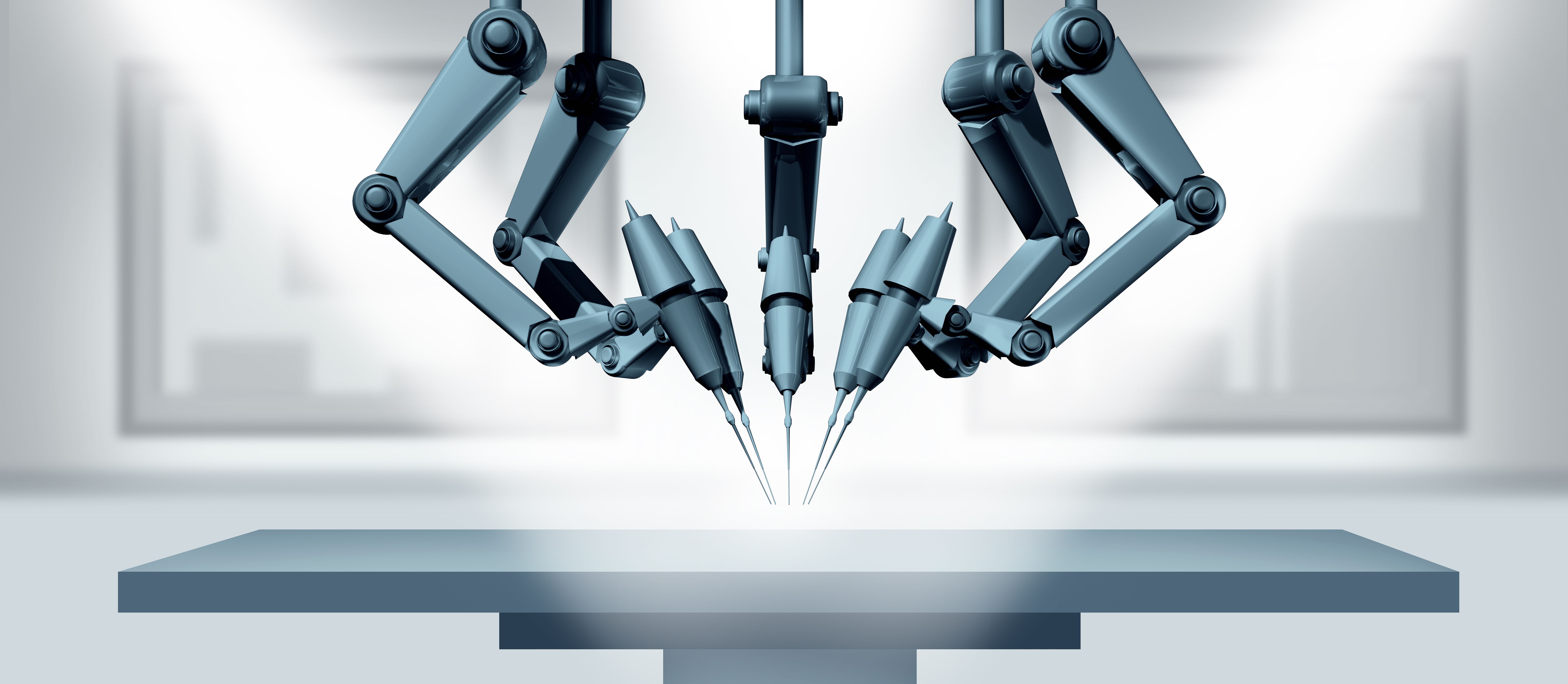
The integration of AI enables these robots to continuously learn and adapt, ensuring that each procedure is more efficient than the last. This evolution in robotic surgery not only benefits patients with quicker recovery times but also supports medical professionals in advancing their skills.
AI in Autonomous Vehicles
Autonomous vehicles are no longer a futuristic concept but a reality, thanks to AI. These vehicles use AI algorithms to process vast amounts of data from sensors and cameras, allowing them to navigate roads safely and efficiently. The AI systems can predict and respond to various driving scenarios, ensuring a smooth and secure ride.
Beyond personal cars, AI is also being used in public transport and delivery robots, paving the way for a complete overhaul of how transportation operates in urban settings. This shift promises to reduce traffic congestion and lower emissions, contributing to a more sustainable future.

AI-Powered Robotic Assistants in Education
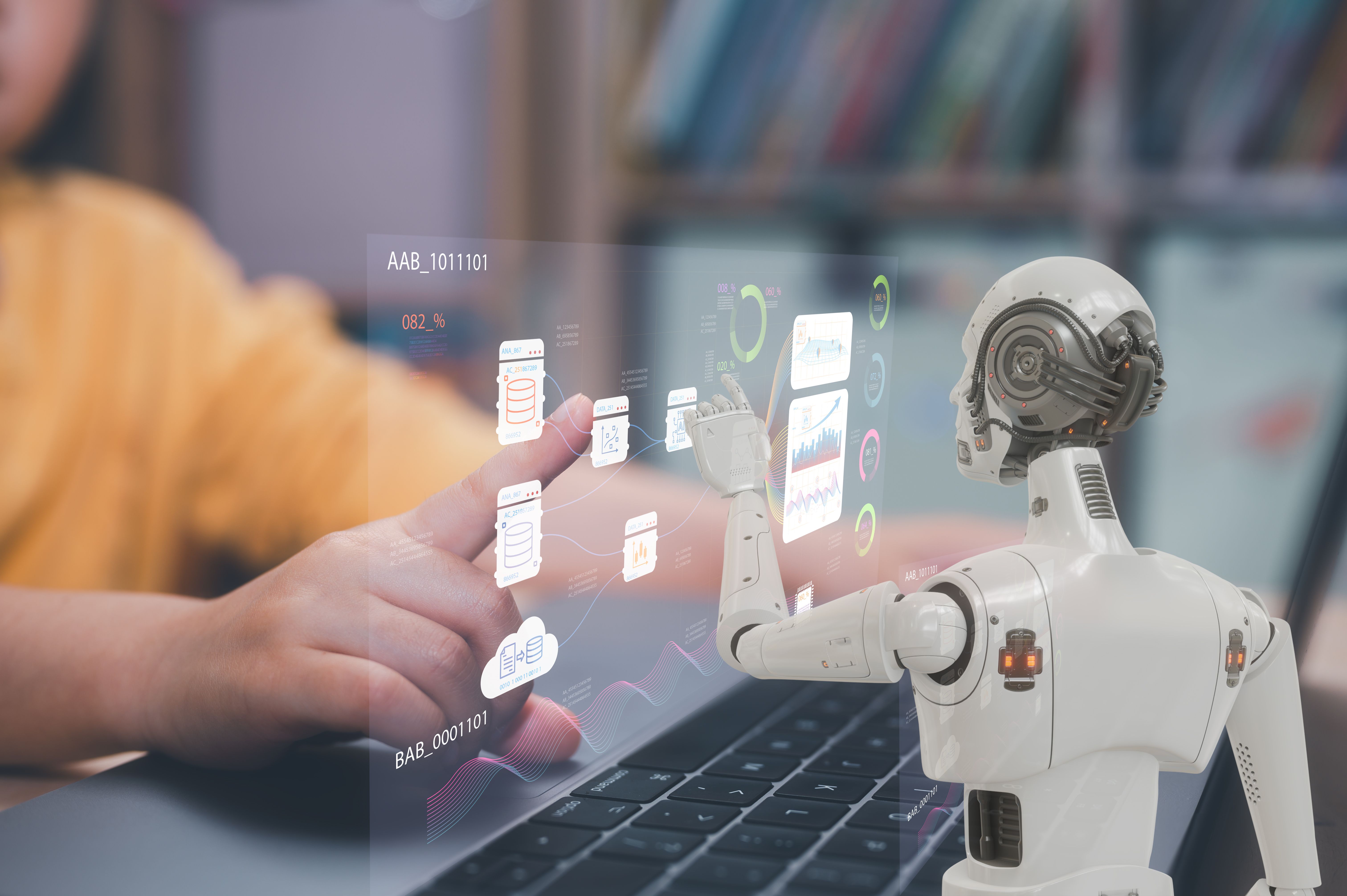
AI-powered robotic assistants are becoming increasingly popular in educational settings. These robots can personalize learning experiences by adapting to each student's pace and style. They offer interactive lessons and can even engage students in coding and robotics, sparking interest in STEM fields.
Moreover, these robots assist teachers by handling administrative tasks, allowing educators to focus on delivering quality education. The use of AI in education is a promising development that could lead to more engaged and informed students.
AI in Agriculture
Agriculture is another sector benefiting from AI-powered robotics. Robots equipped with AI can monitor crop health, optimize planting schedules, and even harvest produce. These innovations help farmers increase yield and reduce waste, addressing the global challenge of food security.
AI-driven robots can also analyze soil conditions and weather patterns, providing farmers with data-driven insights to make informed decisions. This level of precision agriculture is transforming traditional farming practices, making them more efficient and sustainable.
AI for Environmental Monitoring
AI in robotics is playing a crucial role in environmental conservation. Drones and underwater robots equipped with AI can monitor ecosystems, track wildlife, and collect environmental data. This information is vital for understanding and mitigating the impacts of climate change.
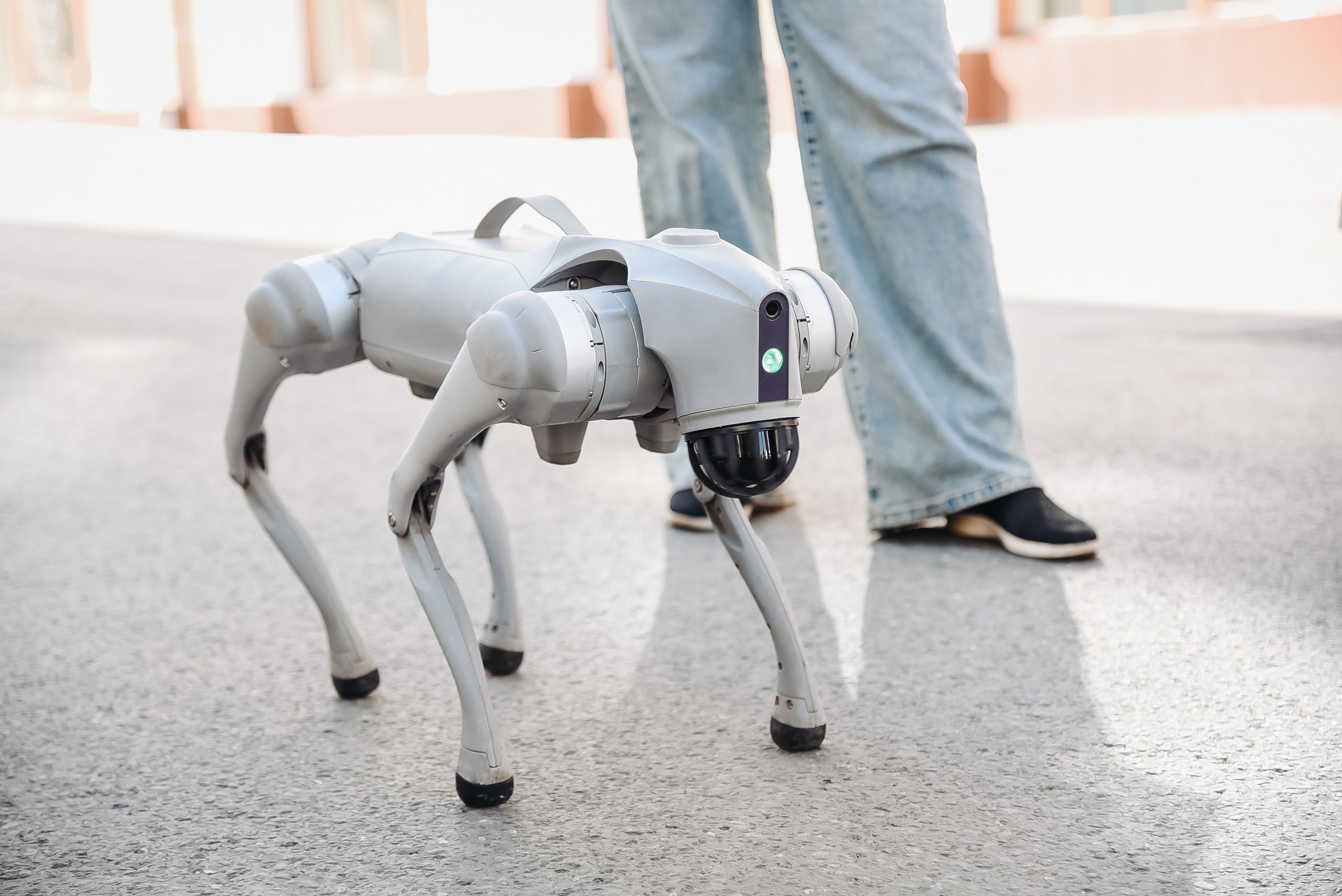
By automating these tasks, AI helps conservationists gather data more frequently and accurately, leading to better-informed strategies for preserving our planet's biodiversity.
Conclusion
The innovative uses of AI in robotics are vast and varied, impacting numerous industries and improving everyday life. From healthcare and transportation to education and agriculture, AI is driving a new era of technological advancement. As these technologies continue to evolve, their potential to solve some of the world's most pressing challenges only grows stronger.