How Humanoid Robots are Transforming Industries: Real-World Applications


Introduction
Humanoid robots are no longer a figment of science fiction. They are becoming a tangible part of our daily lives, transforming industries with their advanced capabilities. From healthcare to manufacturing, these robots are enhancing efficiency, safety, and innovation.
Healthcare Revolution
In healthcare, humanoid robots are bridging gaps by assisting medical professionals and providing patient care. They can perform tasks such as dispensing medication, monitoring patient vital signs, and even assisting in surgeries. This not only reduces the workload of healthcare providers but also minimizes human error, enhancing patient safety.
Moreover, humanoid robots are used in rehabilitation therapy, providing support and motivation to patients recovering from injuries. Their ability to mimic human movements and adapt to individual needs makes them ideal partners in physical therapy.
Manufacturing and Industry
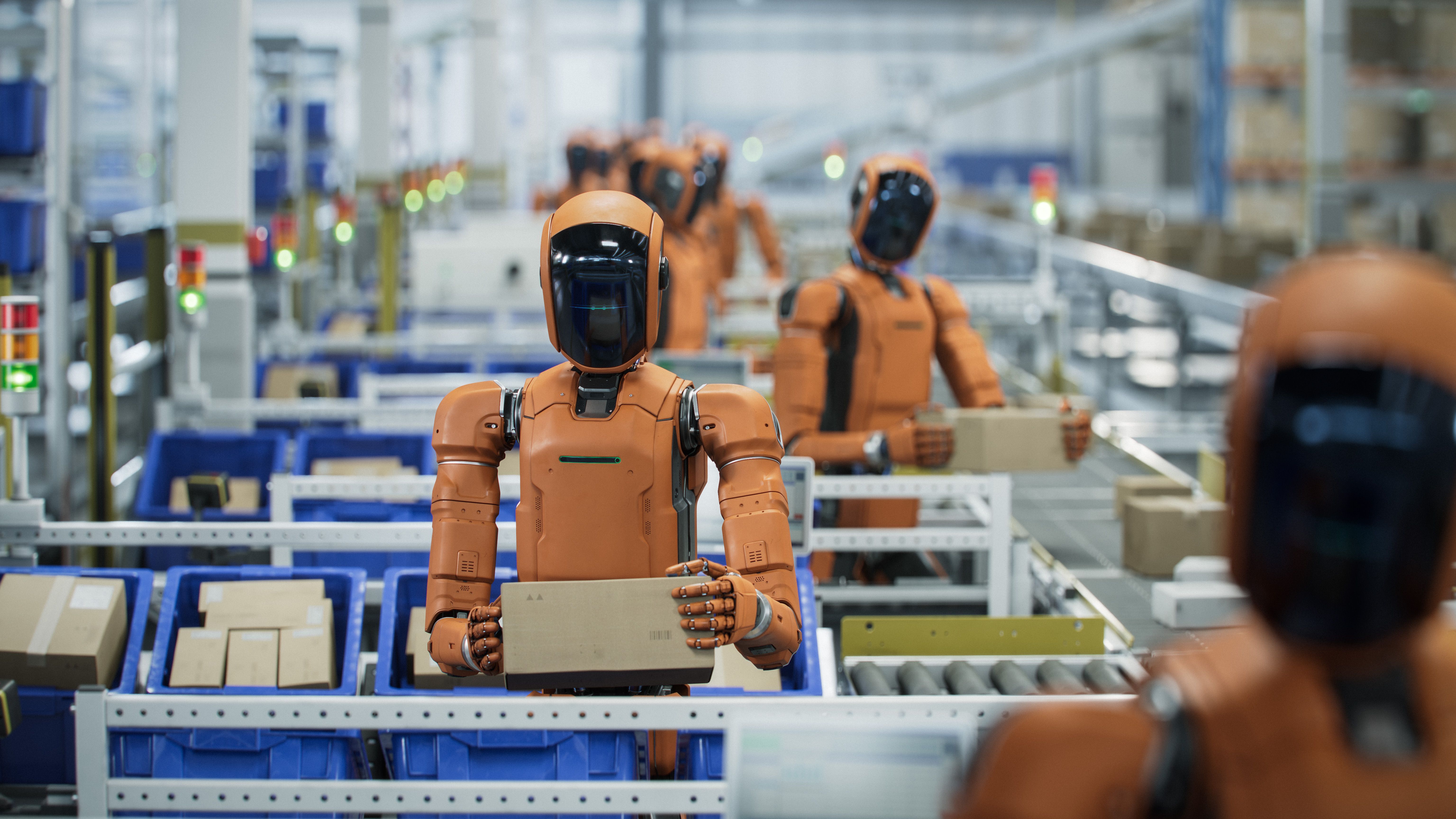
Humanoid robots are revolutionizing the manufacturing industry by working alongside human employees. They perform repetitive tasks with precision, reducing errors and increasing productivity. Their flexibility allows them to be easily programmed for various tasks, making them invaluable in dynamic production environments.
In addition to assembly lines, humanoid robots are used for quality control and inspection. Their advanced sensors and imaging technology enable them to detect defects and ensure high product standards, thus maintaining the reputation of brands worldwide.
Retail and Customer Service
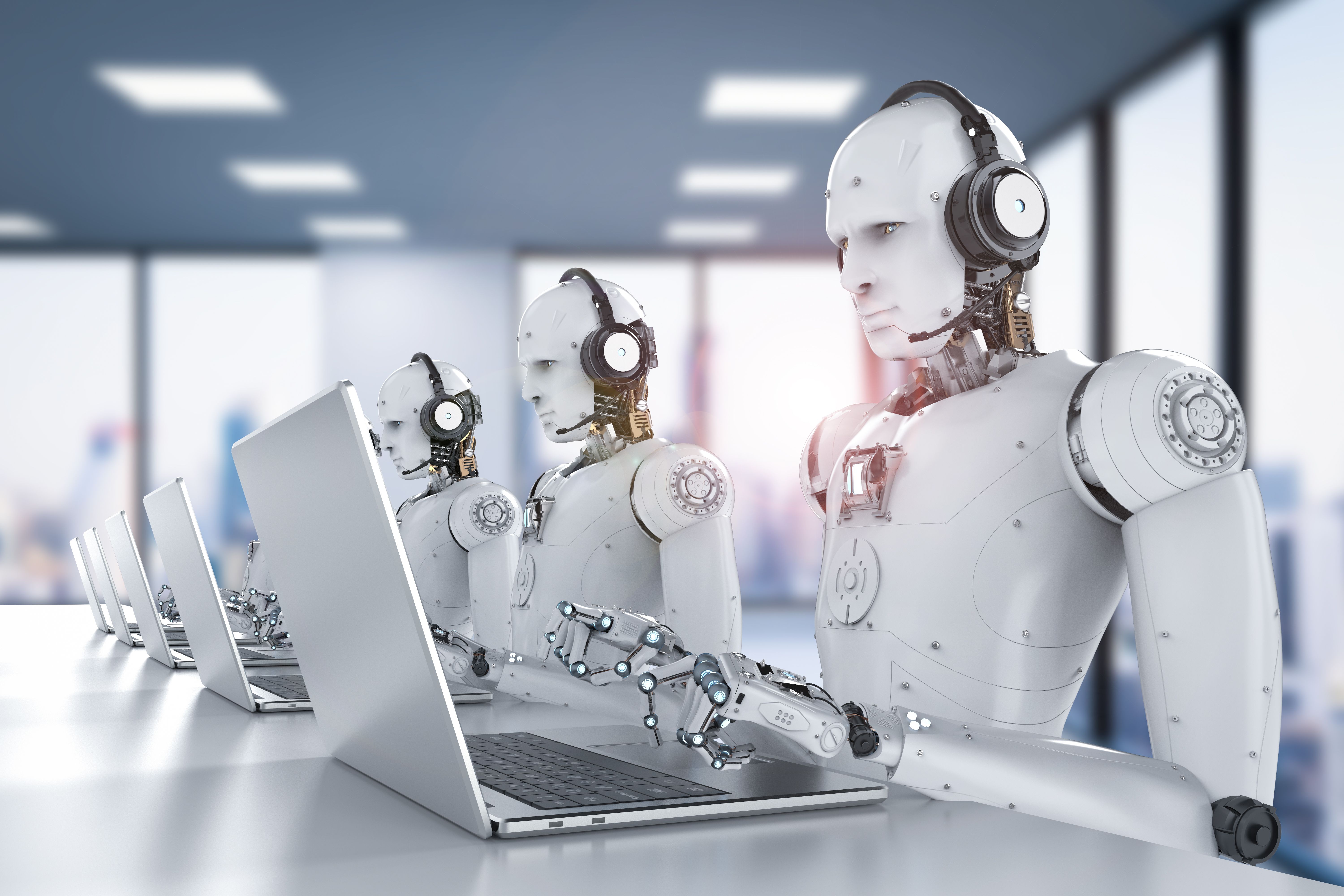
In the retail sector, humanoid robots are enhancing customer experience. They can greet customers, provide information, and assist with product selection. Their ability to interact with customers in multiple languages makes them valuable in diverse markets.
Furthermore, humanoid robots can analyze customer behavior and preferences, offering personalized recommendations. This data-driven approach helps retailers optimize their services and improve customer satisfaction.
Education and Training
Humanoid robots are playing a significant role in education by acting as interactive learning tools. They can engage students in a dynamic way, simplifying complex subjects through interactive demonstrations and personalized learning experiences.
In professional training, these robots simulate real-world scenarios, providing hands-on experience without the associated risks. This is particularly beneficial in fields like aviation and emergency response, where practical training is crucial.
Conclusion
The integration of humanoid robots across various industries is a testament to their transformative potential. As technology advances, their capabilities and applications will continue to expand, offering unprecedented opportunities for innovation and efficiency.
While challenges remain, such as ethical considerations and the need for regulatory frameworks, the benefits of humanoid robots are undeniable. By embracing these technologies, industries can pave the way for a more efficient and prosperous future.