How Humanoid Robots Are Changing Healthcare: A Success Story


The Rise of Humanoid Robots in Healthcare
In recent years, humanoid robots have made significant strides in transforming the healthcare industry. These advanced machines are designed to interact with humans and perform tasks that were once thought impossible for non-human entities. As technology continues to evolve, so does the potential for humanoid robots to reshape the way healthcare is delivered.

Enhancing Patient Care
One of the most promising aspects of humanoid robots is their ability to enhance patient care. These robots are equipped with sensors and AI capabilities that allow them to monitor patients' vital signs, provide reminders for medication, and even offer companionship to those who may feel isolated. By automating routine tasks, healthcare professionals can focus more on providing personalized care.
For instance, in hospitals, humanoid robots are being used to assist in surgeries by providing precise movements and reducing the risk of human error. They are also employed in rehabilitation centers, helping patients with exercises, ensuring correct form, and tracking progress over time.
A Success Story: Transforming Elderly Care
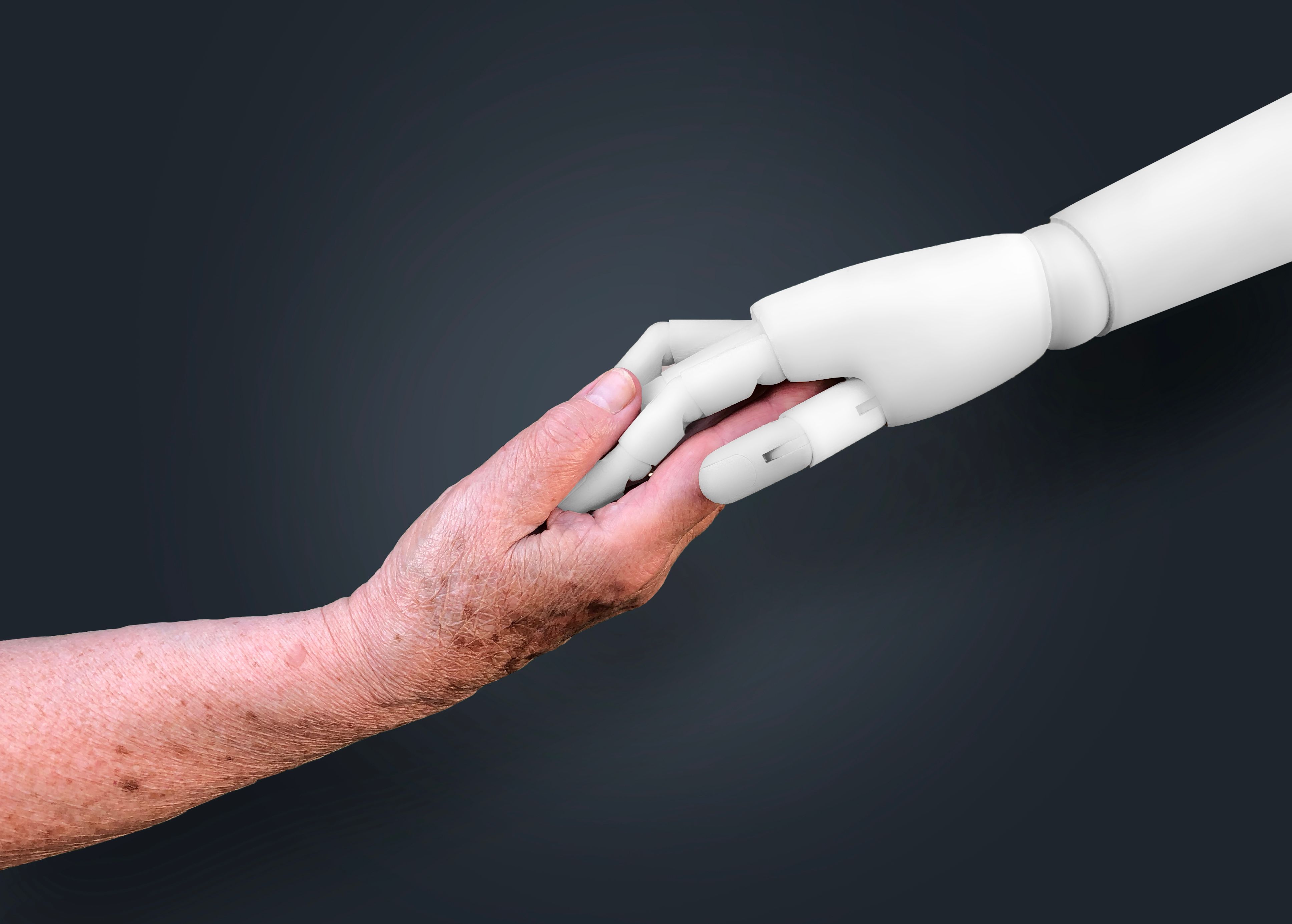
In a groundbreaking initiative, a care facility for the elderly integrated humanoid robots into their daily operations with remarkable success. The robots were tasked with engaging residents in cognitive exercises, facilitating social interactions, and assisting with mobility.
Improving Quality of Life
The introduction of these robots led to noticeable improvements in the residents' quality of life. Many reported feeling less lonely and more active, thanks to the robots' engaging activities. Moreover, staff members experienced reduced workload stress, allowing them to spend more meaningful time with each resident.
By providing consistent and reliable support, humanoid robots have proven to be invaluable allies in the fight against age-related decline, offering a new lease on life for many elderly individuals.
Overcoming Challenges
Despite their benefits, integrating humanoid robots into healthcare settings is not without challenges. Concerns about data privacy, the cost of implementation, and the need for technical training are some of the hurdles that must be addressed. However, ongoing research and development are paving the way for more seamless integration.

The Future of Healthcare
The success story in elderly care is just one example of how humanoid robots can revolutionize healthcare. As technology advances, these robots are expected to become even more sophisticated and versatile. The potential applications are vast, ranging from mental health support to complex surgical procedures.
Looking ahead, collaboration between technology developers and healthcare professionals will be crucial in ensuring that humanoid robots are used ethically and effectively to improve patient outcomes.
Conclusion
Humanoid robots are not just a glimpse into the future; they are actively shaping the present of healthcare. Their ability to perform complex tasks, provide companionship, and improve the quality of life for patients is undeniable. As we continue to explore their potential, these robots will undoubtedly play a critical role in the evolution of healthcare.