How Androids are Revolutionizing Healthcare Solutions


Introduction to Androids in Healthcare
In recent years, humanoid robots have begun to play a transformative role in the healthcare industry. These advanced machines are designed to mimic human movements and interactions, providing a wide range of solutions that enhance patient care and streamline medical processes. With rapid technological advancements, humanoid robots are becoming more capable and versatile, offering significant benefits to both healthcare providers and patients.

Enhancing Patient Care and Experience
One of the primary applications of humanoid robots in healthcare is improving patient care and experience. These robots can assist in routine tasks such as transporting supplies, delivering medications, and even guiding patients through hospital facilities. By handling these tasks, humanoid robots allow healthcare professionals to focus more on direct patient care, thereby improving the overall experience for patients.
Moreover, humanoid robots can provide companionship and support to patients, particularly the elderly or those with disabilities. They can engage patients in conversations, remind them to take medications, and even play games or conduct therapeutic exercises. This interaction helps reduce feelings of loneliness and promotes mental well-being.
Streamlining Medical Processes
Humanoid robots are also revolutionizing medical processes by automating various routine and repetitive tasks. For instance, they can assist in surgical procedures, delivering tools and materials with precision, and even performing minimally invasive surgeries under the supervision of a human surgeon. This reduces the risk of human error and enhances surgical outcomes.
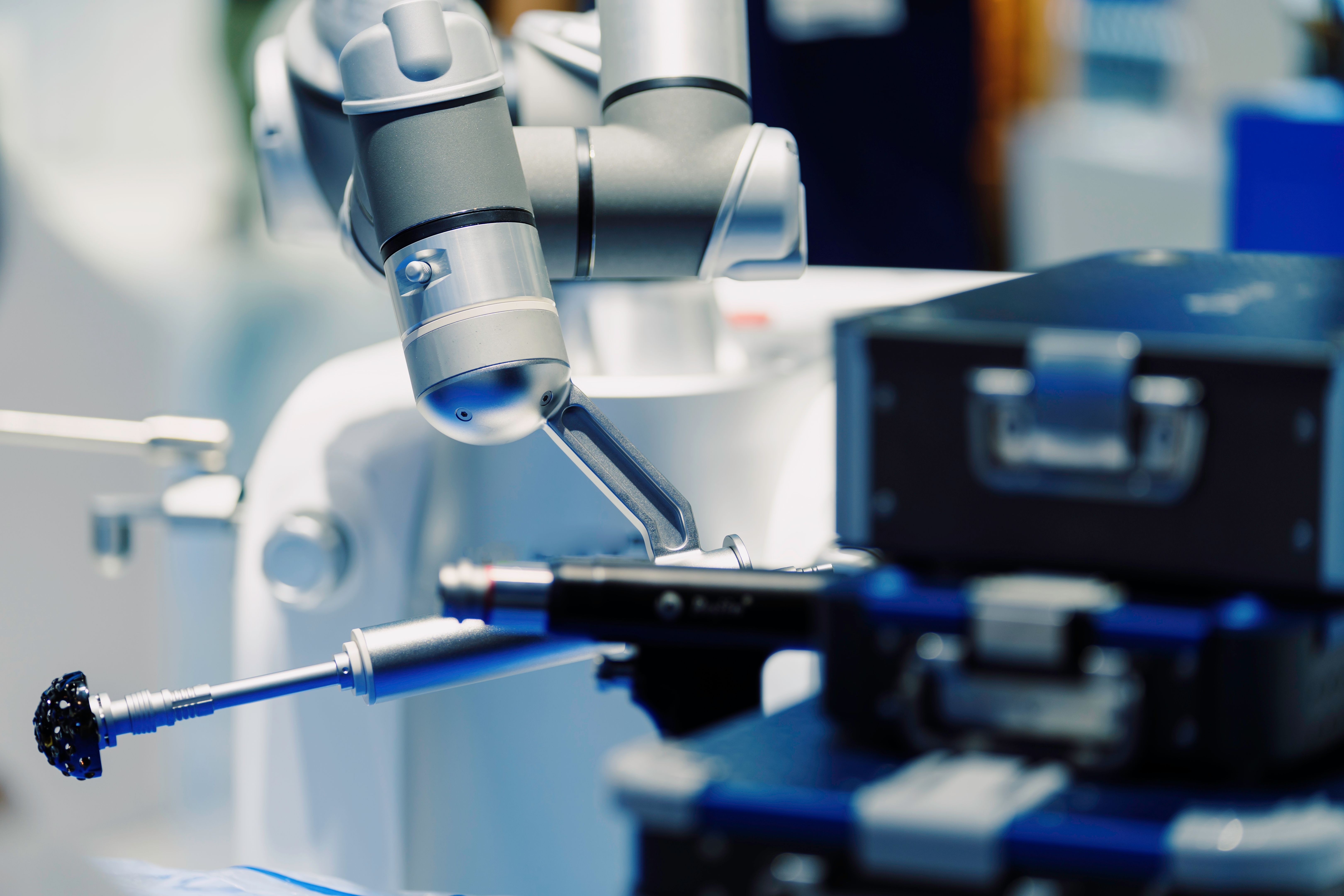
Furthermore, humanoid robots are capable of maintaining meticulous records, ensuring that medical data is accurately logged and easily accessible. This capability streamlines administrative tasks, allowing healthcare professionals to dedicate more time to patient care and research.
Supporting Healthcare Professionals
Another significant advantage of humanoid robots in healthcare is their ability to support healthcare professionals in various capacities. These robots can perform complex data analysis, assisting doctors and nurses in diagnosing conditions and developing treatment plans. By processing vast amounts of medical data quickly and accurately, humanoid robots enable healthcare providers to make informed decisions more efficiently.
Additionally, humanoid robots can facilitate training and education for medical students and professionals. They can simulate real-life scenarios, allowing learners to practice and hone their skills in a controlled environment before applying them in real-world situations.

The Future of Healthcare with Androids
The integration of humanoid robots in healthcare is still in its early stages, but the potential for future advancements is immense. As technology continues to evolve, these robots are expected to become even more sophisticated and capable, offering innovative solutions to challenges faced by the healthcare industry.
With ongoing research and development, we can anticipate a future where humanoid robots play a more prominent role in personalized medicine, telehealth services, and home healthcare. This evolution will not only improve healthcare delivery but also make it more accessible and affordable for people worldwide.