Exploring Androids: From Concept to Creation


The Evolution of Androids
The journey from the mere concept of humanoid robots to their actual creation is a fascinating tale of technological advancement and human ingenuity. Initially, humanoid robots were the stuff of science fiction, depicted in novels and films as futuristic beings capable of performing human-like tasks. Today, they have moved beyond the realm of imagination to become a tangible reality, serving various roles from industrial workers to companions.

Understanding Androids
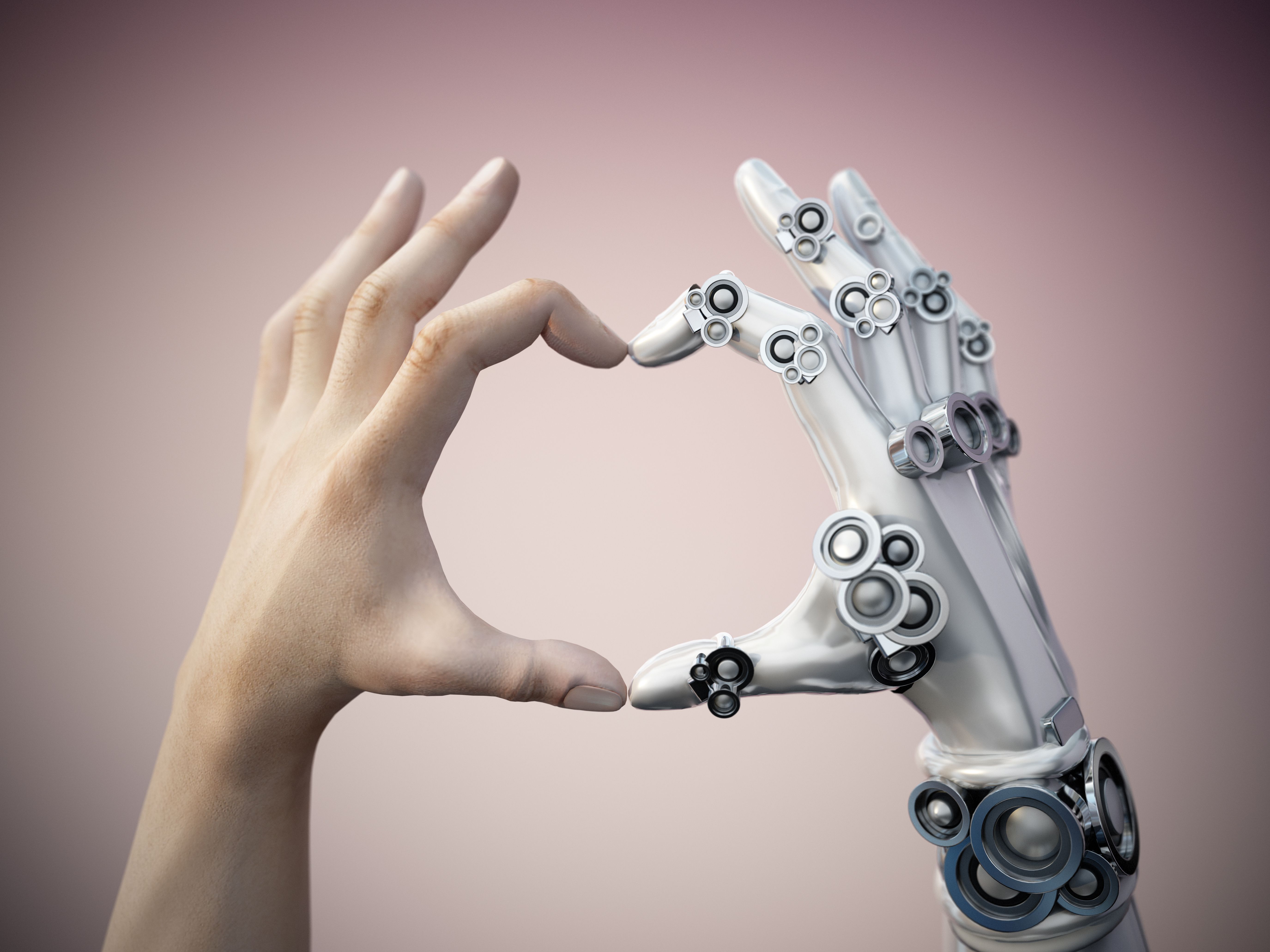
Humanoid robots are machines designed to resemble and mimic human behavior. They are equipped with sensors, actuators, and sophisticated algorithms that allow them to interact with their environment in a human-like manner. These robots are typically built with a head, torso, arms, and legs, enabling them to perform a wide range of tasks traditionally done by humans.
The Technology Behind Androids
Creating humanoid robots involves a multidisciplinary approach, integrating fields such as robotics, artificial intelligence, and biomechanics. The development process requires a harmonious blend of hardware and software. The hardware components include motors, sensors, and materials that provide the physical structure and movement capabilities. Meanwhile, software algorithms process sensory data, enabling the robot to make decisions and perform tasks autonomously.
Applications of Androids
Humanoid robots have found applications in various sectors. In healthcare, they assist in patient care and rehabilitation. In education, they serve as interactive teachers or tutors, making learning more engaging for students. Additionally, humanoid robots are employed in hazardous environments such as disaster recovery sites, where they can perform tasks too dangerous for humans.
Challenges in Development of Androids
Despite significant advancements, developing humanoid robots presents several challenges. One major hurdle is creating robots that can navigate complex and dynamic environments as effortlessly as humans. Another challenge lies in designing robots that can understand and respond to human emotions, enhancing their interaction capabilities.
The Future of Androids
The future of humanoid robots is promising, with ongoing research aimed at enhancing their capabilities and applications. Innovations in artificial intelligence and machine learning are expected to make these robots even more intelligent and adaptable. As technology continues to evolve, humanoid robots are likely to become an integral part of our daily lives, helping to solve complex problems and improve our quality of life.
The Ethical Considerations
As humanoid robots become more prevalent, ethical considerations become increasingly important. Issues such as privacy, security, and job displacement need to be carefully addressed. Ensuring that humanoid robots are designed and used responsibly is crucial to harnessing their potential benefits while minimizing potential risks.
In conclusion, the journey from concept to creation of humanoid robots is a testament to human innovation and the relentless pursuit of making science fiction a reality. As these robots continue to evolve, they hold the potential to revolutionize various aspects of our lives, offering new opportunities and challenges along the way.