Emerging Trends in the AI and Robotics Market: What’s Next?


The Rise of Autonomous Vehicles
One of the most transformative trends in the AI and robotics market is the development of autonomous vehicles. These self-driving cars are equipped with advanced sensors and AI algorithms that allow them to navigate without human intervention. Companies like Tesla, Waymo, and Uber are leading the charge in making autonomous vehicles a reality.
The potential benefits are enormous, including reduced traffic accidents, improved fuel efficiency, and increased mobility for those unable to drive. However, challenges such as regulatory hurdles and public trust remain significant obstacles to widespread adoption.

AI in Healthcare
AI's impact on healthcare is profound, with applications ranging from diagnostics to personalized medicine. Machine learning algorithms are being trained to identify patterns in medical data that often go unnoticed by human practitioners. This can lead to earlier detection of diseases and more effective treatment plans.
Robotic surgery is another area where AI is making waves. Robots can perform complex surgeries with precision and consistency, reducing recovery times and improving patient outcomes. As AI continues to evolve, its role in healthcare is expected to expand further.

Wearable Health Devices
AI-powered wearable devices are changing how individuals monitor their health. From smartwatches that track heart rate and activity levels to sensors that monitor glucose levels, these devices provide real-time insights into personal health metrics.
AI in Manufacturing
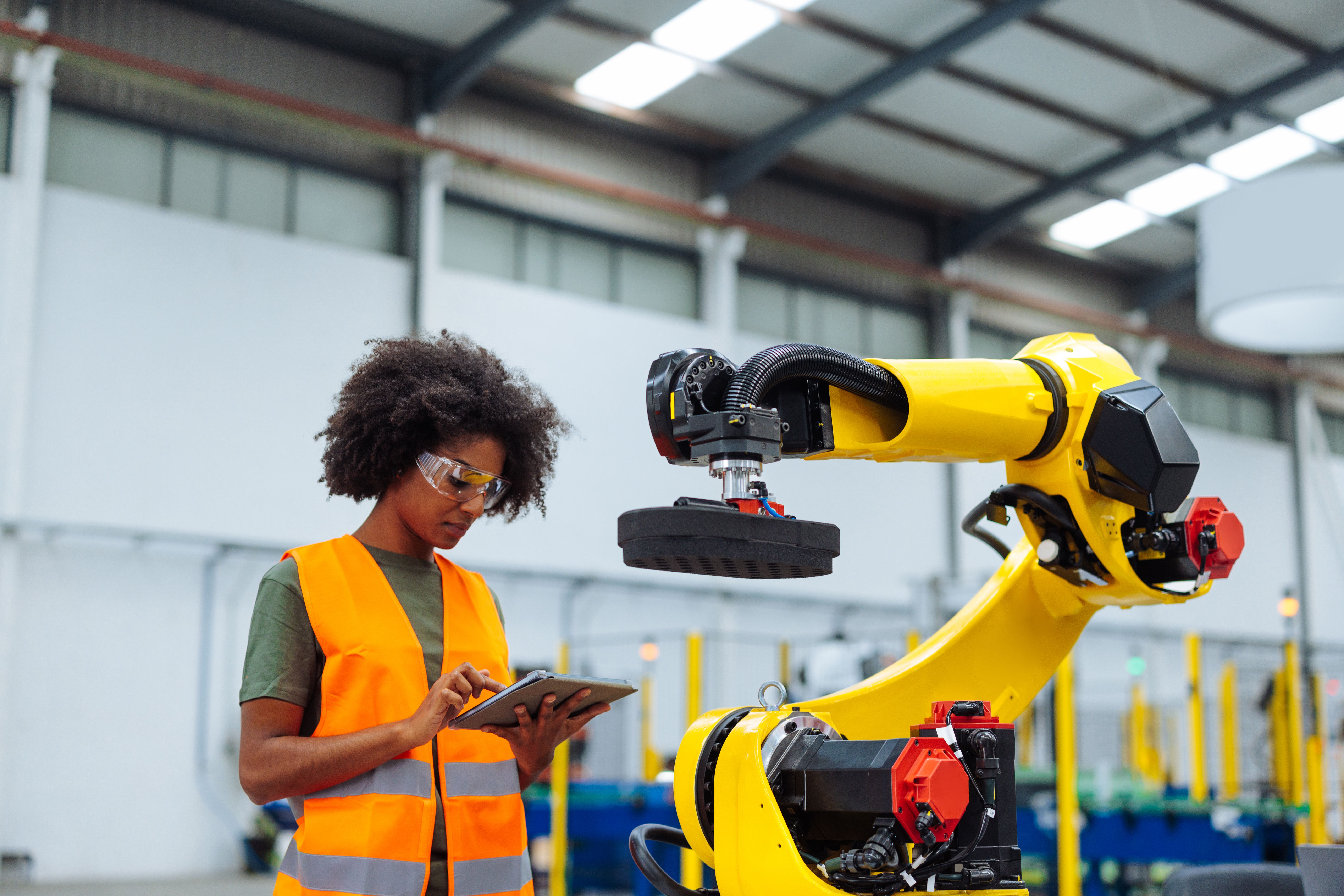
The manufacturing sector has seen significant advancements due to AI and robotics. Automation has led to increased efficiency, reduced costs, and improved quality control. Robots are now capable of performing tasks that were once considered too complex for automation.
Collaborative robots, or cobots, are designed to work alongside humans, enhancing productivity without replacing the workforce. This collaboration is reshaping the manufacturing landscape, offering new opportunities for innovation.
Predictive Maintenance
Predictive maintenance uses AI to foresee potential equipment failures before they occur. By analyzing data from sensors and historical performance, manufacturers can schedule maintenance proactively, minimizing downtime and improving efficiency.
The Future of AI Ethics
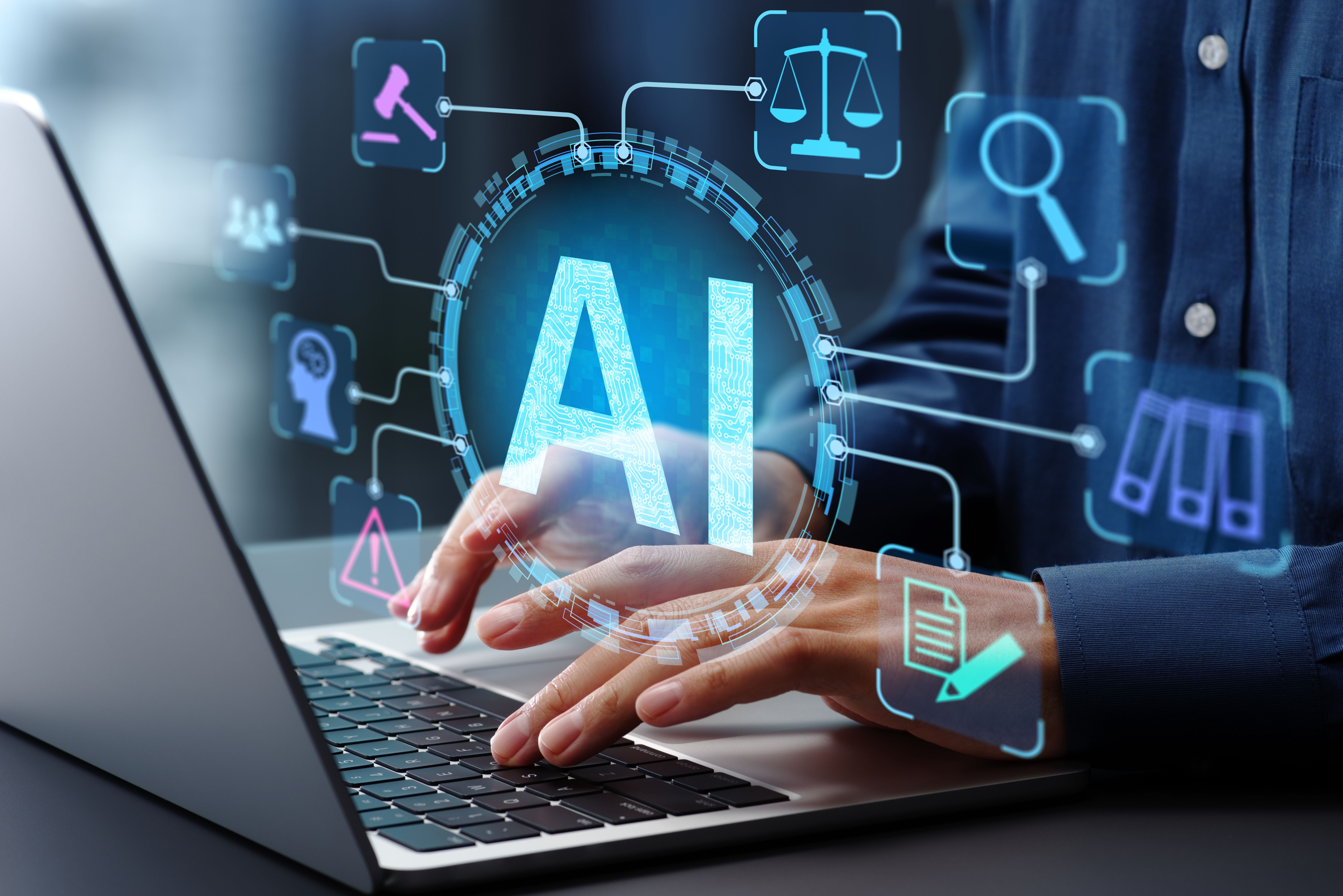
As AI becomes more integrated into society, ethical considerations have come to the forefront. Issues such as data privacy, algorithmic bias, and the impact of AI on employment are critical areas of concern.
Organizations are urged to adopt ethical AI practices, ensuring transparency and accountability in AI systems. The development of international guidelines and standards is essential for navigating these ethical challenges.
Regulatory Frameworks
Governments worldwide are working to establish regulatory frameworks to guide the responsible development and deployment of AI technologies. These regulations aim to balance innovation with the need to protect individual rights and societal values.