Debunking Myths About AI-Powered Androids: What You Need to Know


Understanding AI-Powered Androids
In recent years, AI-powered robots have become a topic of fascination and fear. While they promise to revolutionize industries, many myths and misconceptions have clouded public perception. It's crucial to separate fact from fiction to understand these technological marvels properly.
Myth 1: AI Androids Will Take Over All Jobs
One of the most prevalent myths is that AI robots will entirely replace human jobs. While it's true that automation is transforming various sectors, it's important to note that AI is designed to augment human capabilities, not replace them. Many jobs will evolve, requiring new skills and creating new opportunities.
According to experts, roles involving creativity, empathy, and complex decision-making are less likely to be automated. AI robots excel in repetitive, data-driven tasks, freeing up humans to focus on more strategic aspects of their work.
Myth 2: AI Androids Lack Human-Like Intelligence
Another common misconception is that AI robots possess human-like intelligence. In reality, AI operates based on algorithms and data, lacking consciousness and emotions. These robots are excellent at processing vast amounts of information quickly but are not capable of independent thought or emotional understanding.
Myth 3: AI Androids Are Dangerous
Fears surrounding AI robots often stem from science fiction portrayals of malevolent machines. However, in practice, AI robots are designed with safety protocols and ethical considerations in mind. Developers prioritize creating systems that enhance human life while minimizing risks.
For instance, AI robots in healthcare assist surgeons with precision tasks, reducing human error and improving patient outcomes. The focus is on collaboration, not competition, between humans and machines.
The Benefits of AI-Powered Androids
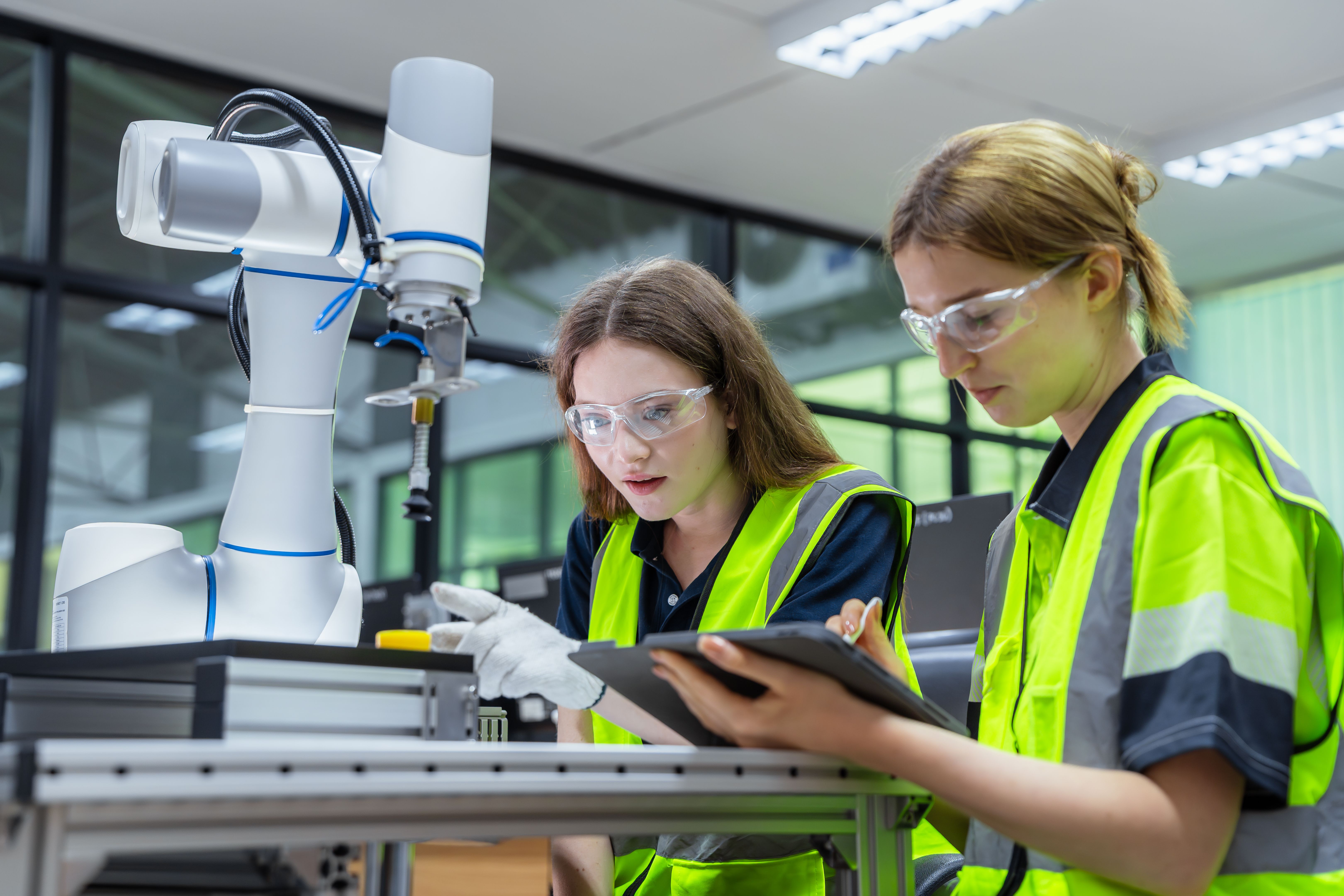
AI-powered robots offer numerous benefits, including increased efficiency, cost reduction, and the ability to perform tasks in hazardous environments. These robots are instrumental in industries such as manufacturing, logistics, and healthcare.
- In manufacturing, robots streamline production lines, ensuring consistent quality and speed.
- In logistics, they optimize supply chain management, reducing delivery times and costs.
- In healthcare, AI robots assist in surgery, diagnostics, and patient care.
Embracing the Future of AI
As we move forward, it's essential to embrace the potential of AI-powered robots while addressing ethical concerns and regulatory challenges. By fostering a collaborative approach between humans and machines, we can harness the benefits of AI while minimizing potential drawbacks.
Education and open dialogue are key to dispelling myths and ensuring that society fully understands and utilizes AI technology's capabilities. As with any technological advancement, responsible development and deployment are crucial for a harmonious future.