Debunking Myths About AI in Androids: What You Need to Know


Introduction to AI in Robotics
The integration of artificial intelligence (AI) in robotics has sparked numerous discussions, leading to a variety of myths and misconceptions. While AI-driven robots are increasingly becoming part of our daily lives, it's essential to differentiate between fiction and reality. In this post, we aim to debunk some common myths about AI in robotics and shed light on what you really need to know.
Myth 1: AI Robots Are Self-Aware
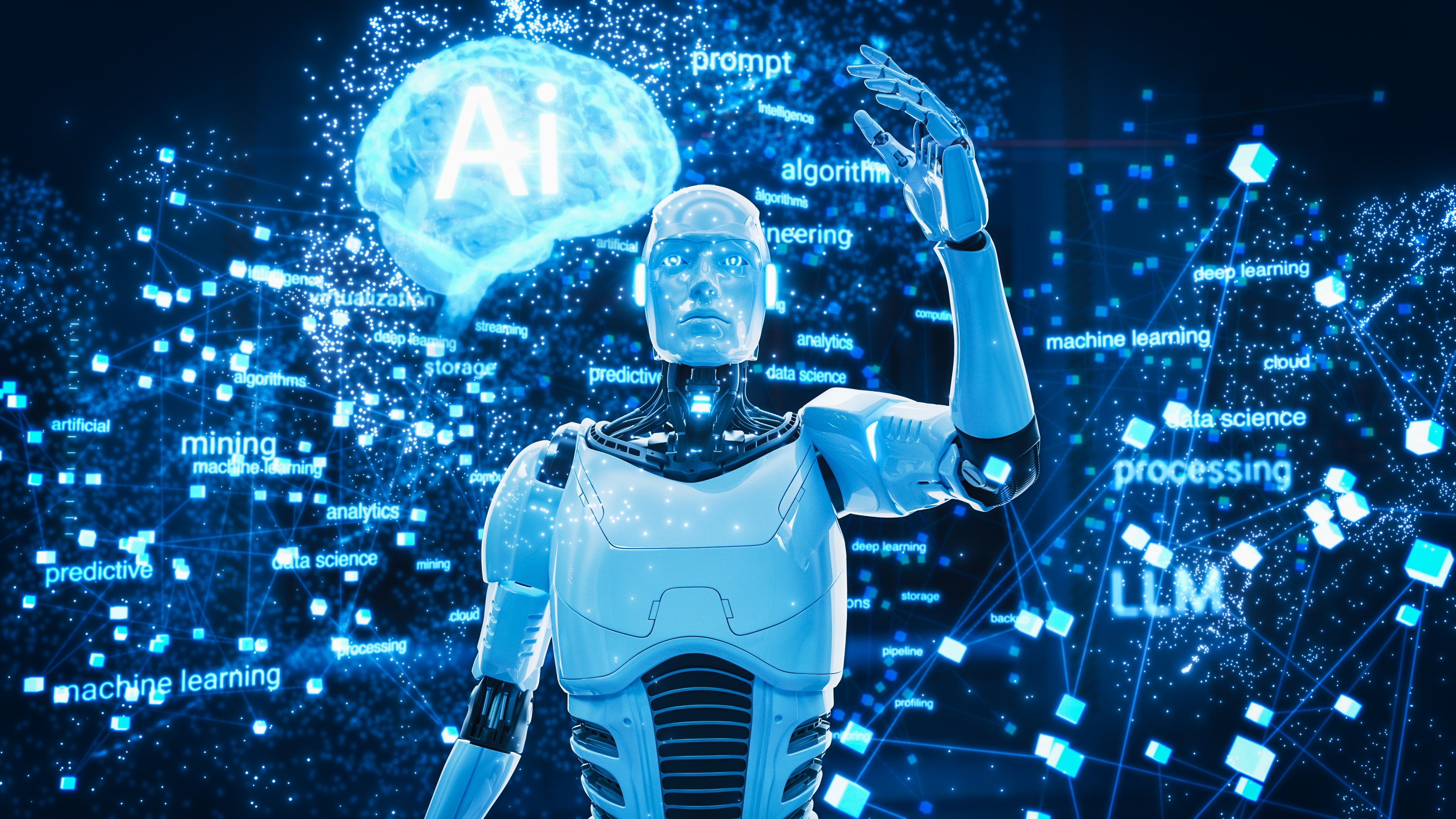
A widespread myth is that AI robots are self-aware beings, capable of independent thought and decision-making. In reality, AI in robotics is based on sophisticated algorithms designed to perform specific tasks. These machines follow programmed instructions and can adapt to certain conditions, but they do not possess consciousness or emotions like humans.
Myth 2: AI Will Replace Human Jobs
Another common misconception is that AI in robotics will lead to widespread job losses. While it's true that automation can change the job landscape, AI is more likely to augment human capabilities rather than replace them entirely. Many industries benefit from AI by enhancing productivity and allowing humans to focus on tasks that require creativity and critical thinking.
In fact, the rise of AI is creating new job opportunities in areas such as AI development, maintenance, and ethical governance. Organizations are increasingly seeking skilled professionals who can work alongside AI technologies.
Myth 3: Robots Are Always Perfect
People often assume that robots are infallible and can perform tasks with perfect precision. However, while AI-powered robots can achieve high accuracy levels, they are not immune to errors. Factors such as programming bugs, hardware malfunctions, and unexpected environmental conditions can affect their performance.
Myth 4: AI in Robotics Is Only for Large Corporations
There's a belief that only large corporations can afford to implement AI in robotics due to high costs and complex infrastructure requirements. In reality, advancements in technology have made AI and robotics more accessible than ever before. Small and medium-sized businesses are increasingly adopting these technologies to enhance efficiency and competitiveness.
Many startups are also leveraging affordable robotics solutions tailored to specific industry needs, demonstrating that AI is not exclusive to the big players.
Myth 5: AI Robots Lack Creativity
A common myth is that AI robots cannot be creative or innovative. While AI systems may not possess human-like creativity, they can generate creative outputs through data analysis and pattern recognition. For example, AI has been used to compose music, design products, and even create art.
Conclusion: Embracing the Reality of AI in Robotics
Understanding the realities of AI in robotics helps demystify the technology and highlights its potential benefits. By debunking these myths, we can appreciate how AI enhances various aspects of our lives and contributes to progress across industries. As we continue to advance, it’s crucial to remain informed and open-minded about the capabilities and limitations of AI-powered robotics.