Debunking Myths About AI and Androids


Understanding AI and Androids
Artificial Intelligence (AI) and humanoid robots have fascinated and intrigued the world for decades. However, the way they are often portrayed in movies and media can lead to misconceptions. It is important to separate fact from fiction to truly understand the capabilities and limitations of these technologies.
Myth 1: AI is Sentient
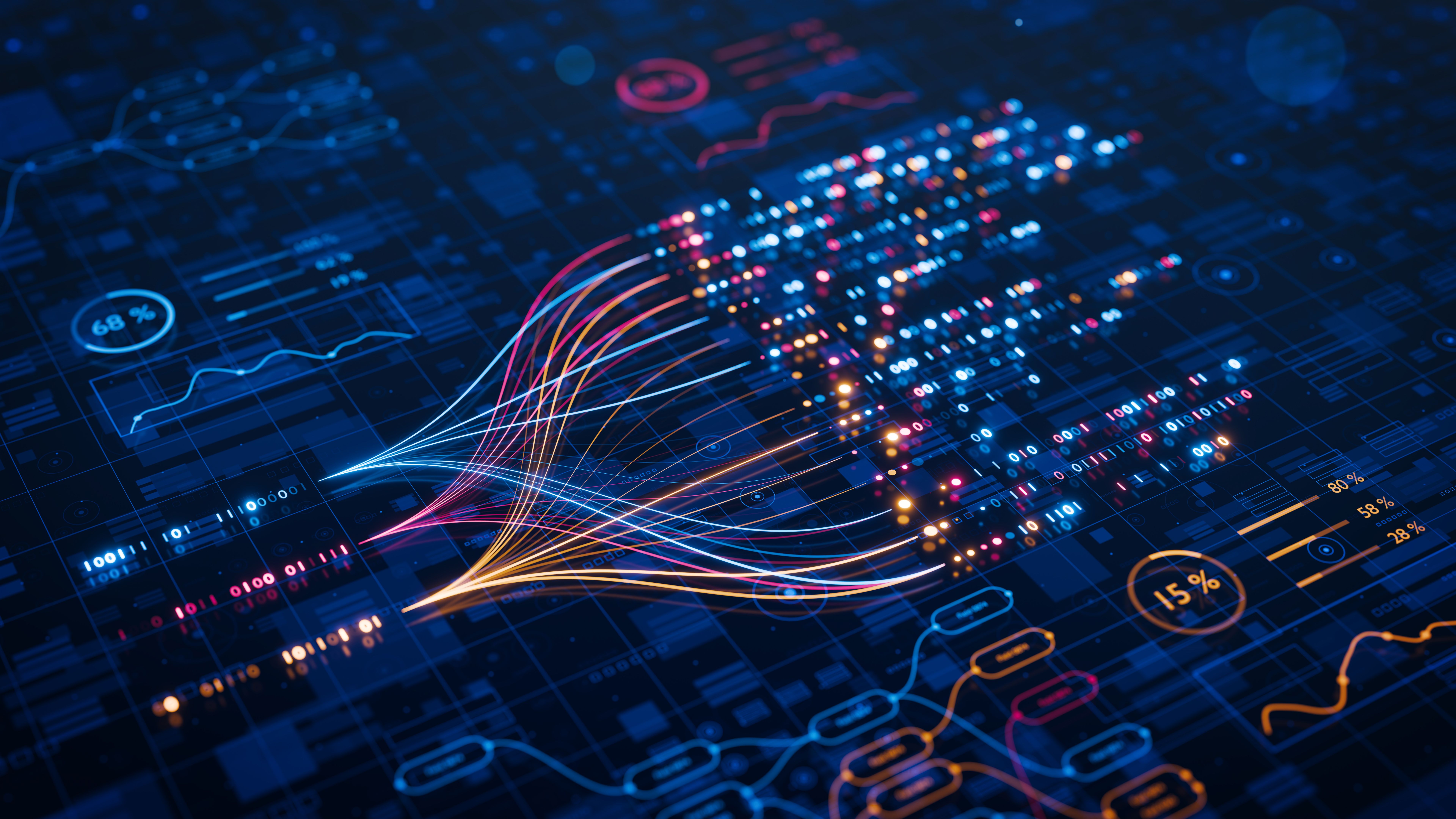
A common misconception is that AI has reached a level of consciousness or self-awareness. In reality, AI systems are sophisticated algorithms designed to process data and perform tasks. They lack the ability to experience emotions, thoughts, or awareness like humans do. This myth is perpetuated by science fiction, but the truth is AI operates based on programming, not consciousness.
Myth 2: Androids Can Replace Humans
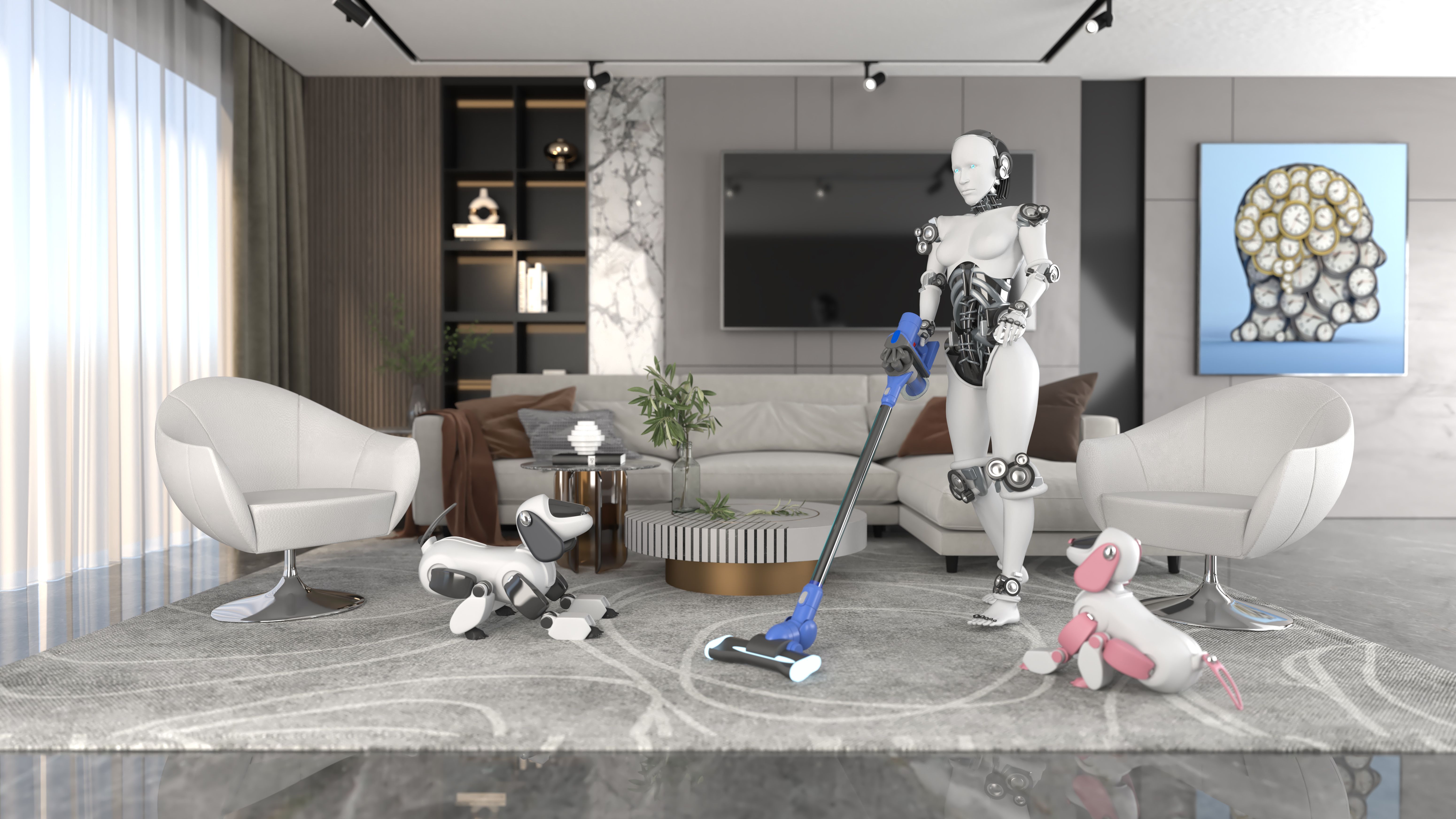
While humanoid robots are advancing in capabilities, they are not designed to replace humans entirely. These robots are often used in specific tasks that are dangerous or repetitive for humans, such as exploring hazardous environments or performing precision tasks in manufacturing. They are tools to assist humans, not replacements.
Myth 3: AI Can Predict the Future
AI is powerful when it comes to analyzing trends and making predictions based on data, but it cannot predict the future with certainty. The success of AI predictions depends on the quality of data and the complexity of the algorithms. While AI can provide insights, it is not a crystal ball that can foresee future events with complete accuracy.
Practical Applications of AI and Androids
The real-world applications of AI and humanoid robots are vast and varied. From healthcare to automotive industries, AI is being used to enhance efficiency and accuracy. Humanoid robots are employed in fields like education and customer service, providing interactive and engaging experiences.
- AI in Healthcare: Assisting in diagnostics and patient care.
- Robots in Education: Engaging students with interactive learning.
- AI in Manufacturing: Streamlining production processes.
The Future of AI and Androids
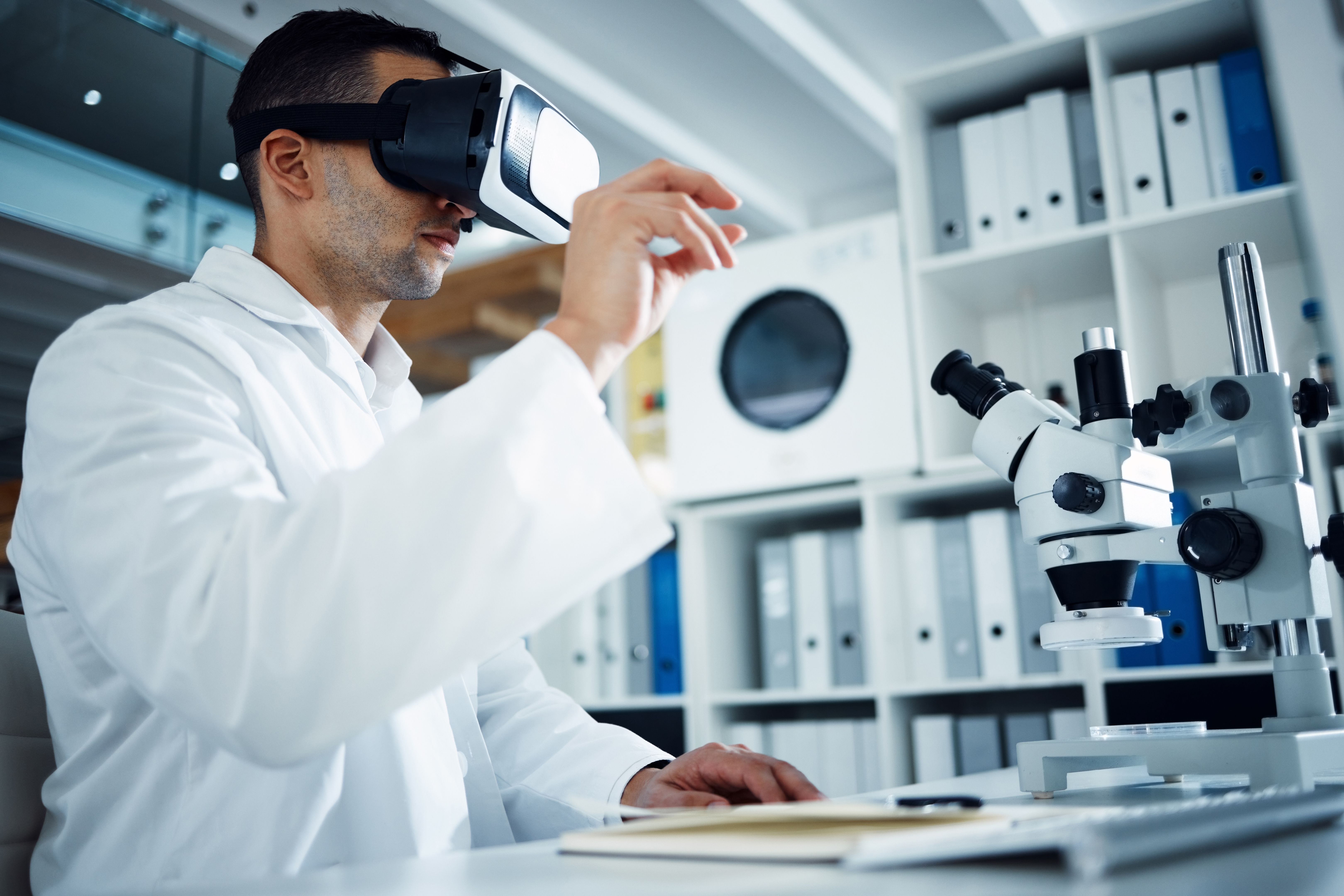
As technology continues to evolve, AI and humanoid robots will become more integrated into our daily lives. However, the focus will remain on enhancing human capabilities rather than replacing them. It is crucial to approach these advancements with a realistic understanding of their potential and limitations.
Ultimately, the collaboration between humans and machines will drive innovation and progress. By debunking these myths, we can foster a more informed perspective on how AI and humanoid robots can contribute positively to society.