Boston Dynamics vs. Competitors: Who Leads the Robotics Race?


Understanding the Robotics Landscape
The field of robotics is rapidly evolving, with several key players pushing the boundaries of what's possible. Among these innovators, Boston Dynamics stands out, renowned for its advanced robotics technology. However, the competition is fierce, with numerous companies vying for the top spot in this high-tech race.
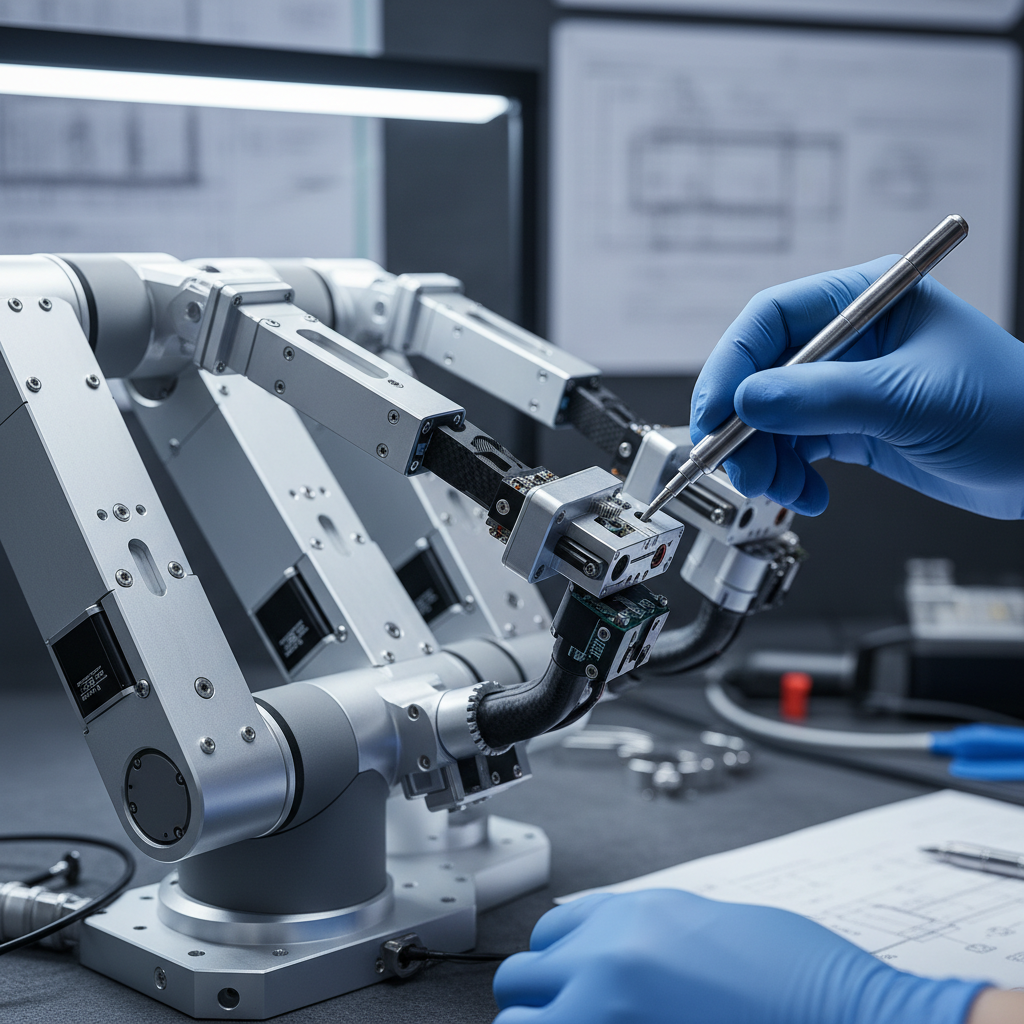
Boston Dynamics: A Pioneer in Robotics
Boston Dynamics has captured the public's imagination with its dynamic and highly mobile robots. Their creations, such as Spot and Atlas, have showcased remarkable agility and adaptability. These robots are not just capable of walking and running but can also navigate complex terrains and perform intricate tasks.
The company's focus on innovation has set a high bar in the industry. Boston Dynamics invests heavily in research and development, continuously improving the capabilities of its robots, making them more versatile and efficient.
Major Competitors in the Field
While Boston Dynamics is a leader, other companies are making significant strides. iRobot, known for its consumer-friendly devices like the Roomba, has been expanding its technology to include more advanced features. Their focus on usability and customer satisfaction has earned them a loyal customer base.

Emerging Players
Newer companies such as Agility Robotics and ANYbotics are also making waves. Agility Robotics focuses on bipedal robots that mimic human movement, while ANYbotics develops autonomous robots designed for industrial inspection and maintenance. These companies are carving out niches in the market by addressing specific needs and challenges.
Technological Advancements
Advancements in artificial intelligence and machine learning are propelling the robotics industry forward. Companies are increasingly integrating AI to enhance the decision-making capabilities of robots, making them smarter and more autonomous.
The use of AI allows robots to learn from their environments, adapt to new situations, and improve their performance over time. This integration is crucial for developing robots that can operate independently in a variety of settings.

Future Prospects
The future of robotics is promising, with endless possibilities for innovation and application. Boston Dynamics and its competitors are exploring new markets, from warehousing and logistics to healthcare and entertainment. The potential for robotics to transform industries is immense, and companies are racing to develop solutions that can meet diverse needs.
As technology continues to advance, the competition will likely intensify. Companies will need to focus on both innovation and practicality to stay ahead in the robotics race.
Conclusion
In the battle of Boston Dynamics versus its competitors, the winner is not easily determined. Each company brings unique strengths and contributions to the field. While Boston Dynamics leads in mobility and agility, others excel in consumer products and niche applications.
Ultimately, the true winners are consumers and industries that benefit from these technological advancements. As robotics technology continues to evolve, it promises to reshape our world in ways we are only beginning to imagine.