Boston Dynamics Competitors: Who's Leading the AI Robot Race?


The Dynamic World of Robotics
In the rapidly evolving field of robotics, Boston Dynamics has long been a household name. Known for its innovative designs and viral videos showcasing robots performing incredible feats, Boston Dynamics has set a high bar. However, the landscape is rich with competitors who are pushing the boundaries of what robots can do. This post explores some of the key players in the AI robot race and how they are shaping the future.
Innovation at SoftBank Robotics
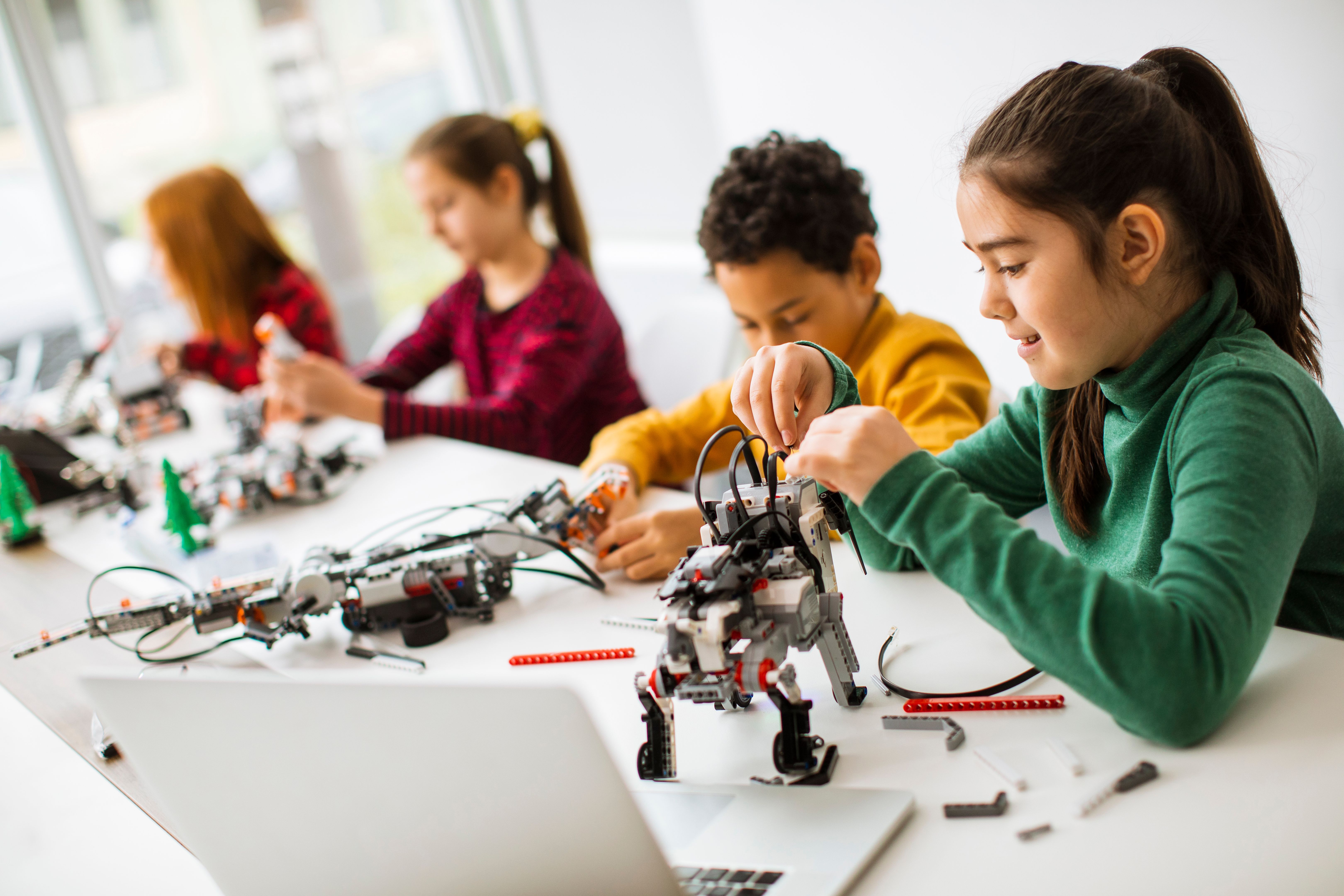
SoftBank Robotics, a major player in the robotics arena, is making waves with its humanoid robots Pepper and NAO. Designed to interact with humans, these robots are utilized in various sectors, from retail to education. SoftBank's emphasis on emotional intelligence and user interaction sets it apart from many competitors, making its robots not just functional but also approachable.
SoftBank's focus on AI-driven solutions has allowed it to create robots that can recognize human emotions and respond accordingly. This capability is crucial in sectors like healthcare, where robots assist in therapy and patient interaction.
Intuitive Surgical's Leap in Medical Robotics
Another significant player is Intuitive Surgical, renowned for its da Vinci Surgical System. This system has revolutionized the field of minimally invasive surgery, providing surgeons with precision, dexterity, and control. Intuitive Surgical’s technology represents a prime example of how robotics can enhance human capabilities and improve outcomes in critical fields.
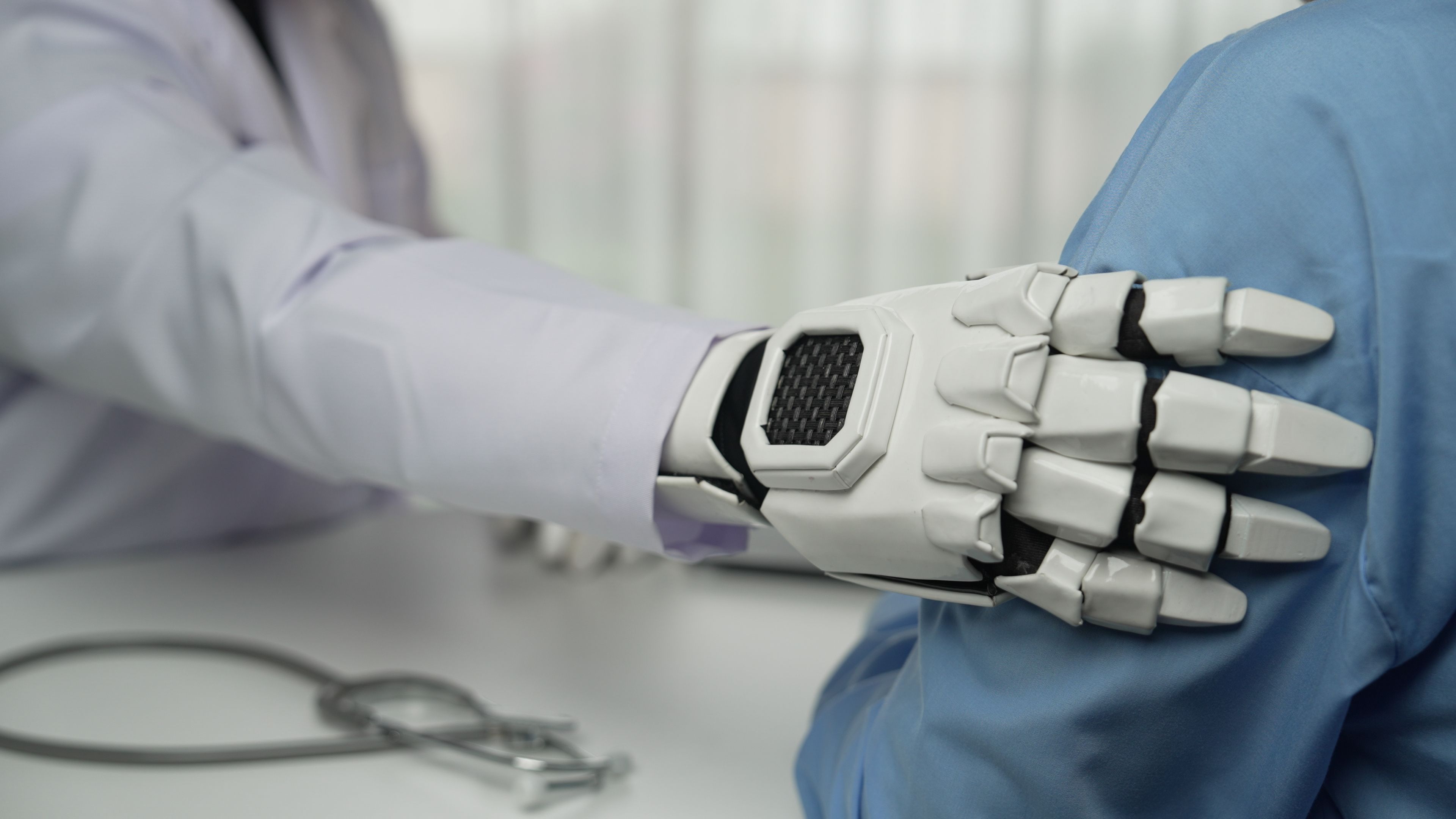
While Boston Dynamics focuses on mobility and agility, Intuitive Surgical zeroes in on precision and control. The company's advancements in AI and robotics illustrate the diverse applications of robotic technology beyond traditional industrial uses.
ABB Robotics: Automating the Future
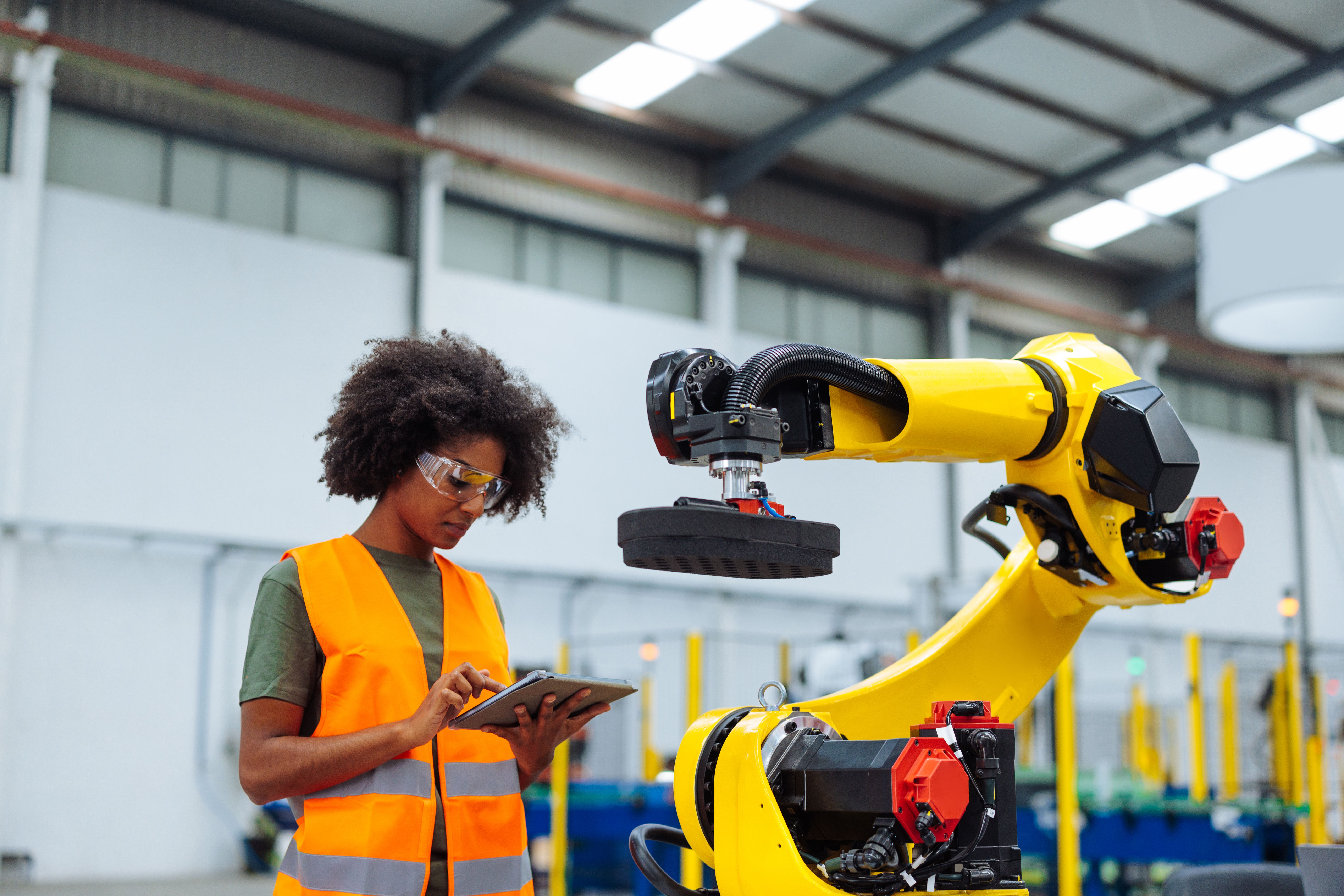
ABB Robotics, a pioneer in industrial automation, offers a wide range of robots used in manufacturing and logistics. ABB's robots are designed for high performance and reliability, enabling businesses to increase efficiency and reduce costs. Their technology is particularly beneficial in sectors like automotive manufacturing, where precision and speed are paramount.
ABB's commitment to integrating AI into its robotics solutions ensures that their systems are not only efficient but also adaptable. Their robots can learn and optimize processes, providing businesses with a competitive edge in a fast-paced market.
The Rise of Collaborative Robots
Collaborative robots, or cobots, are gaining traction due to their ability to work alongside humans without the need for extensive safety measures. Companies like Universal Robots are leading this charge, offering flexible and user-friendly robots that can be easily integrated into existing workflows.
Universal Robots' cobots are designed to assist with tasks ranging from assembly to packaging, providing companies with scalable solutions. This approach not only enhances productivity but also allows human workers to focus on more complex tasks that require critical thinking and creativity.
Conclusion: The Future of Robotics
The robotics industry is witnessing a surge of innovation, with companies like Boston Dynamics, SoftBank Robotics, Intuitive Surgical, and ABB Robotics at the forefront. These companies are not just competing but also complementing each other in various niches, pushing the boundaries of what robots can achieve.
As we look to the future, the collaboration between AI and robotics will continue to transform industries, improve lives, and redefine what is possible. With each advancement, the line between science fiction and reality becomes increasingly blurred, promising a future where robots play an integral role in our daily lives.