Introduction to AI in Robotics
In recent years, the integration of artificial intelligence (AI) with robotics has revolutionized multiple industries. From healthcare to manufacturing, AI-driven robots are enhancing efficiency, precision, and even creativity. This comprehensive guide explores the current applications of AI in robotics, showcasing how these technologies are transforming various sectors.

Manufacturing and Automation
One of the most prominent applications of AI in robotics is in the manufacturing sector. Automated robots equipped with AI algorithms can perform complex tasks with high precision, reducing human error and increasing productivity. These robots are capable of adapting to new tasks and environments, making them invaluable assets in production lines.
AI-enabled robots can also perform predictive maintenance by analyzing historical data to foresee equipment failures. This capability not only minimizes downtime but also extends the lifespan of machinery.
Healthcare Advancements
In healthcare, AI-powered robots assist in surgeries, rehabilitation, and even patient care. Surgical robots, guided by AI, provide surgeons with enhanced precision and control, leading to minimally invasive procedures and quicker recovery times for patients.
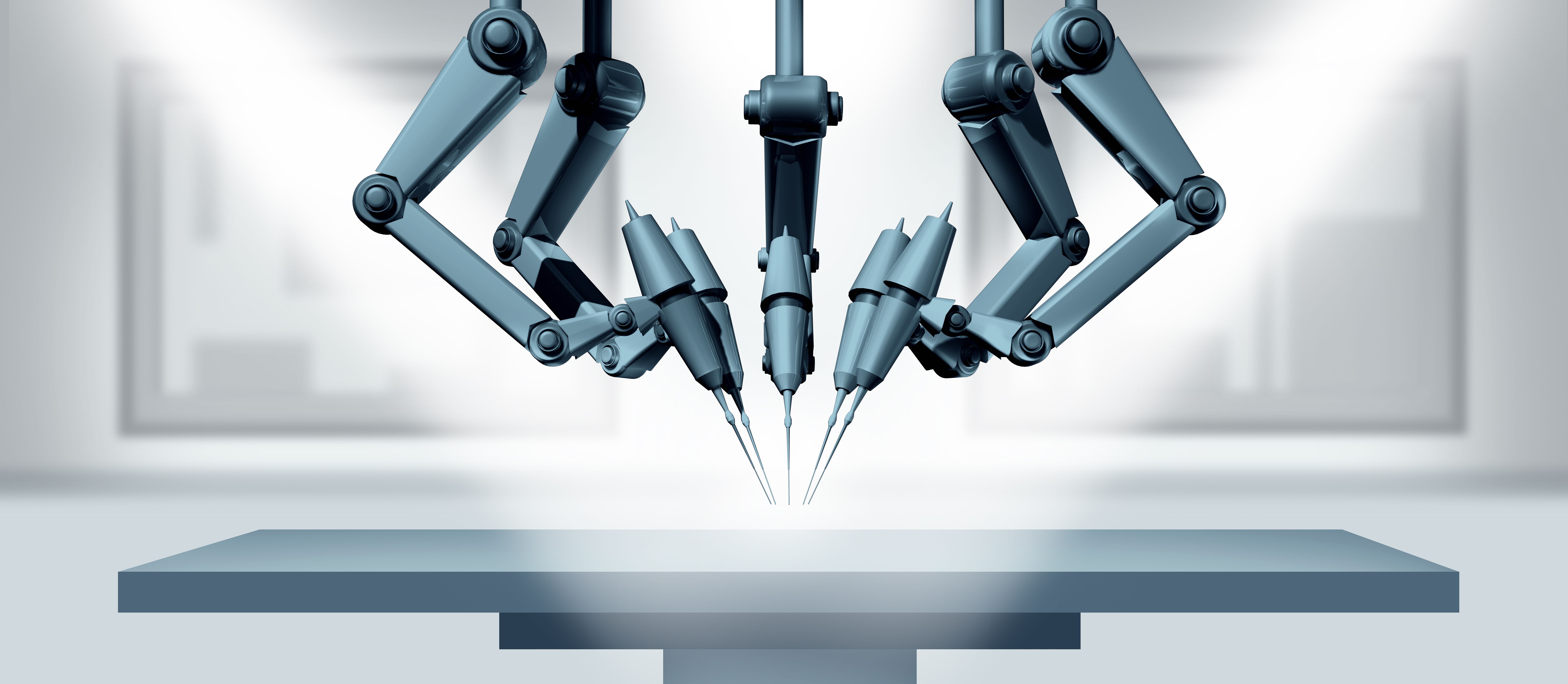
Furthermore, robotic exoskeletons are being utilized to aid in the rehabilitation of patients with mobility issues. These devices use AI to adapt to the patient's movements, offering personalized support and improving recovery outcomes.
Logistics and Supply Chain
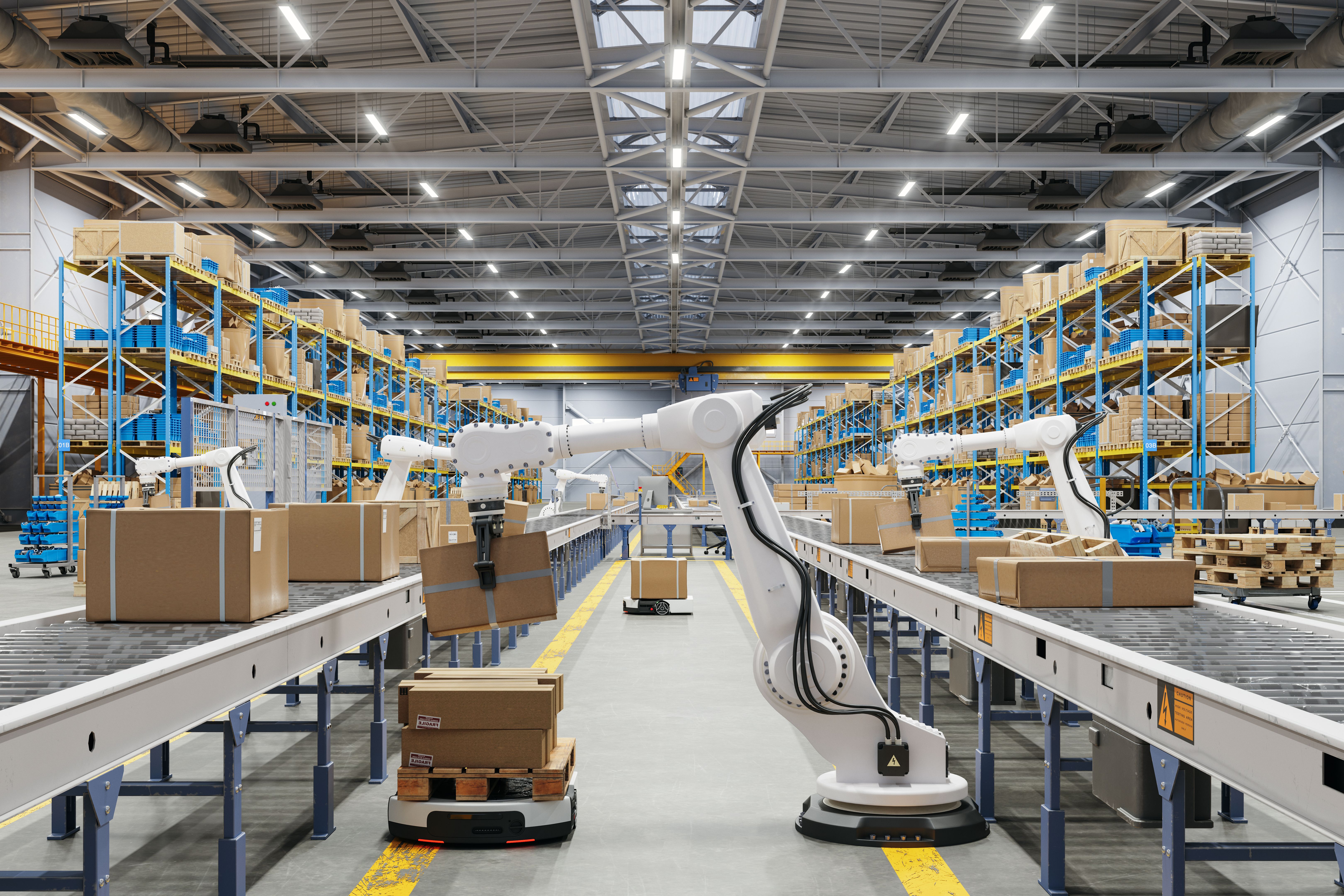
AI in robotics has significantly impacted logistics and the supply chain industry. Autonomous robots are employed in warehouses to manage inventory, sort packages, and even transport goods. These robots optimize the supply chain by reducing operational costs and increasing efficiency.
Moreover, AI algorithms allow these robots to learn from their environment and adapt to changes, ensuring that they can handle various logistical challenges seamlessly.
Agriculture and Farming
In agriculture, AI-driven robots are transforming traditional farming practices. Robots equipped with AI can perform tasks such as planting, weeding, and harvesting with remarkable accuracy. These machines analyze data to optimize crop yield, reduce waste, and enhance sustainability.
The use of AI in agriculture also extends to monitoring crop health. Drones equipped with AI can survey large fields, providing farmers with real-time data on crop conditions and helping them make informed decisions.
Conclusion
The fusion of AI and robotics is driving innovation across various industries, offering solutions that were once deemed impossible. As technology continues to advance, the potential applications of AI in robotics will only grow, promising a future where intelligent machines work alongside humans to solve complex problems.