A Comprehensive Guide to the Latest Humanoid Robotics Technologies


Introduction to Humanoid Robotics
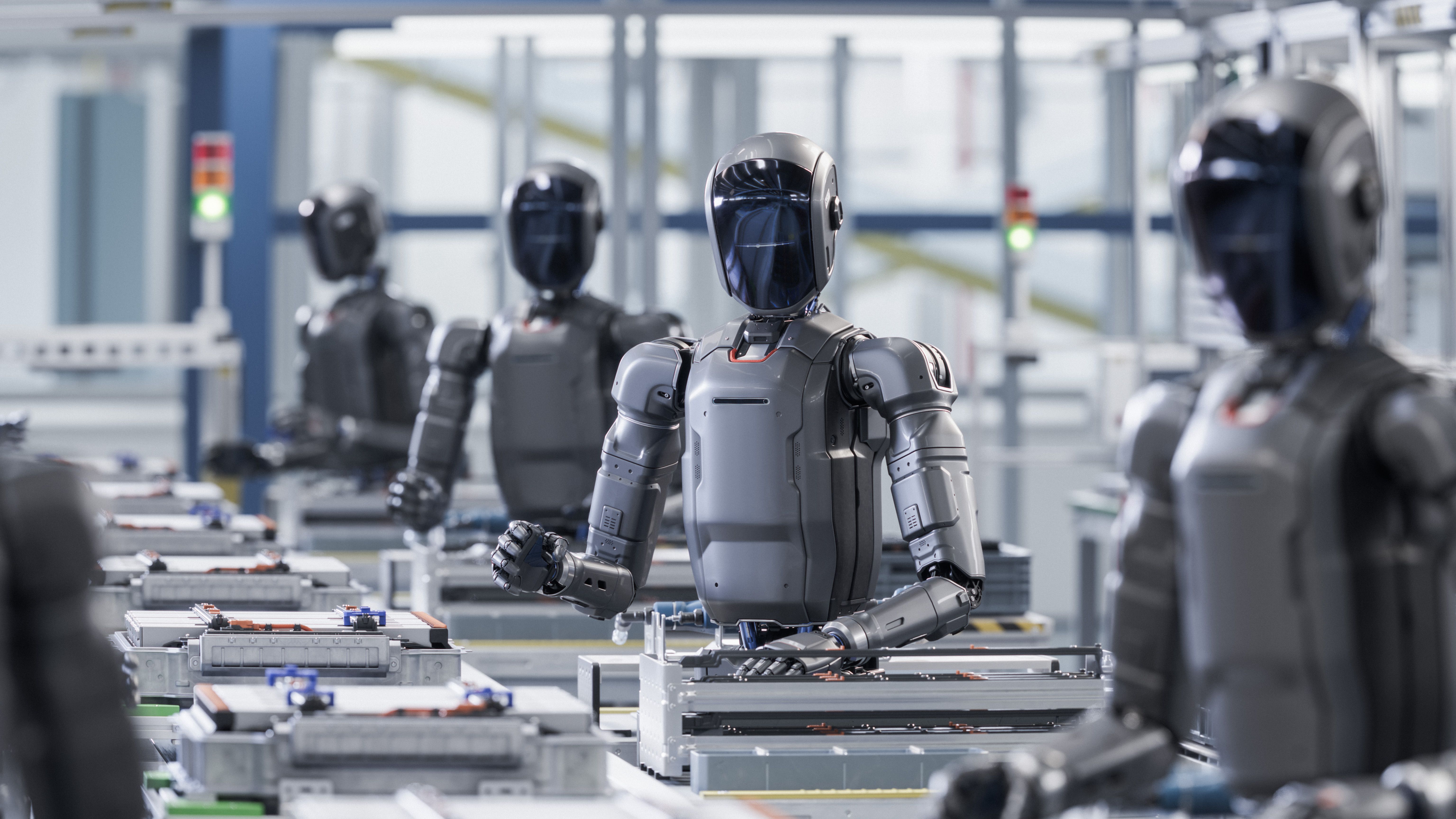
Humanoid robotics is a rapidly evolving field that aims to create robots with human-like capabilities. These robots are designed to mimic human motions and interactions, making them ideal for various applications such as healthcare, service, and education. As technology advances, humanoid robots are becoming more sophisticated and capable.
Key Technologies Driving Humanoid Robotics
Artificial Intelligence and Machine Learning
The backbone of modern humanoid robots is artificial intelligence (AI) and machine learning. These technologies enable robots to learn from their environments, adapt to new situations, and perform tasks autonomously. Machine learning algorithms process vast amounts of data, allowing robots to improve their performance over time.
Advanced Sensors and Actuators
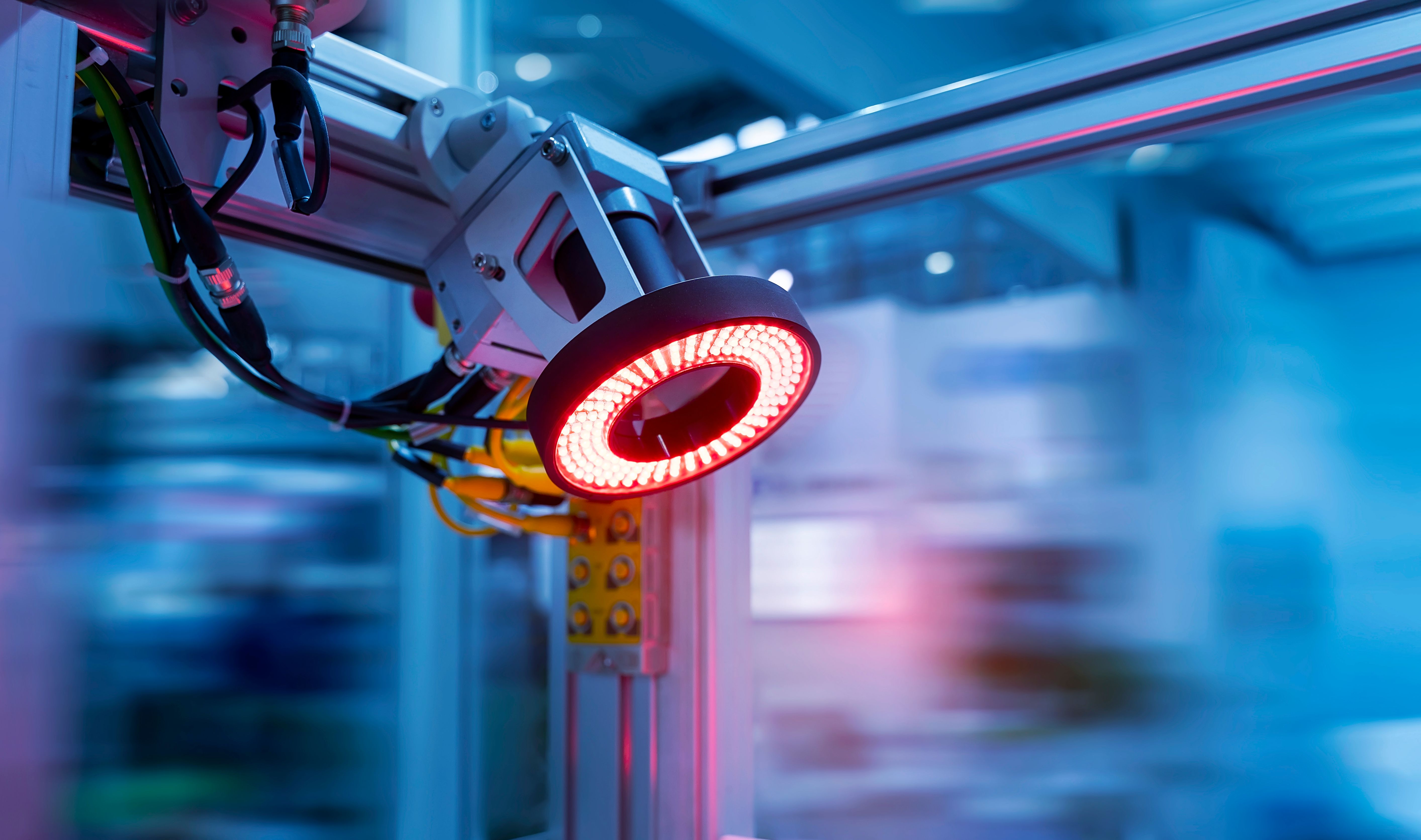
Sensors and actuators are crucial components that allow humanoid robots to interact with their surroundings. Advanced sensors provide information about the robot's environment, helping it to navigate and perform tasks. Actuators, on the other hand, are responsible for the robot's movements, enabling it to mimic human-like gestures.
Applications of Humanoid Robots
Healthcare
In healthcare, humanoid robots assist in surgeries, rehabilitation, and patient care. They can perform precise tasks, reducing the risk of human error. Additionally, robots are used in therapeutic settings to support mental health treatments and provide companionship to patients.
Service Industry
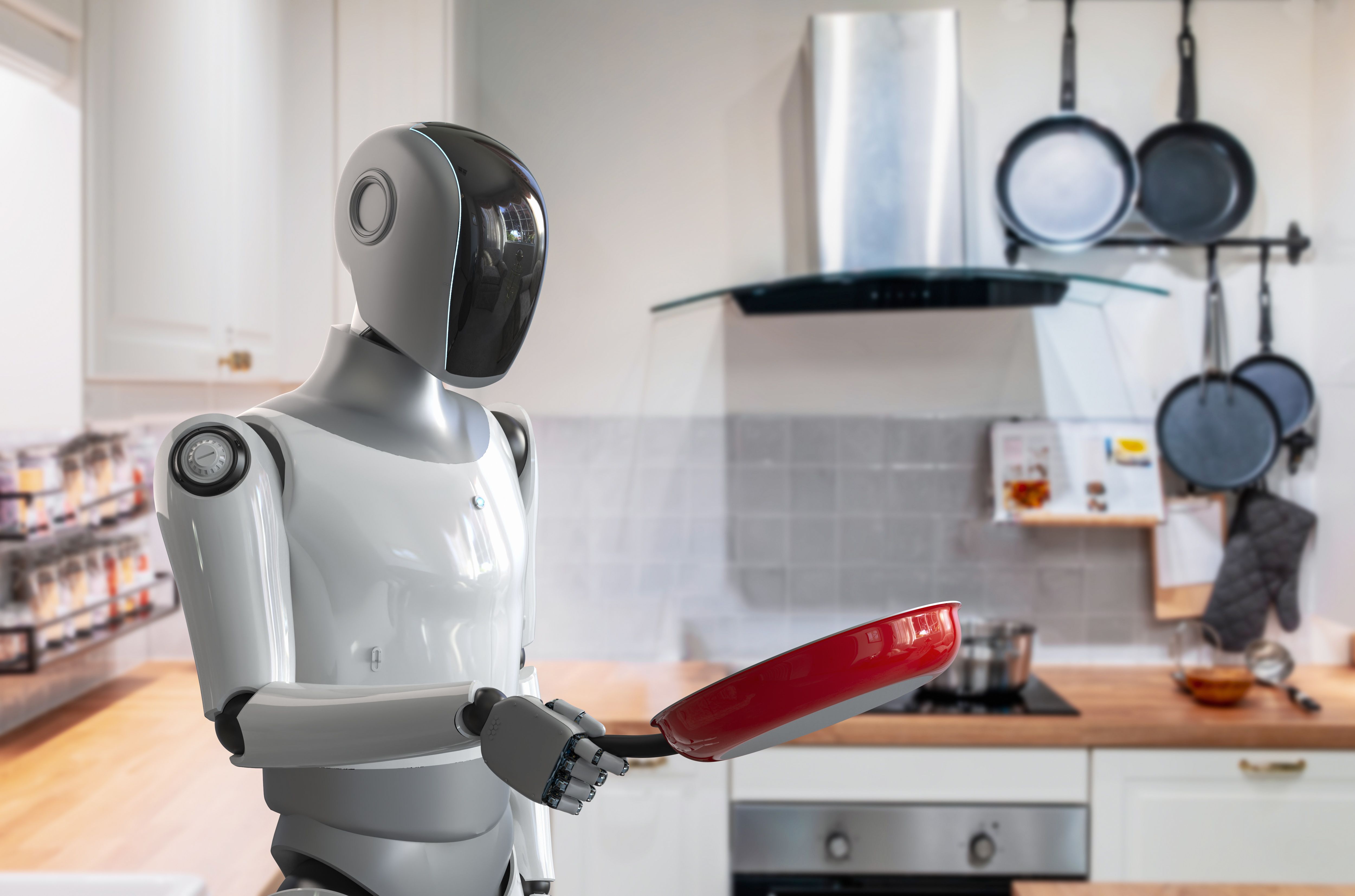
Humanoid robots are increasingly being deployed in the service industry to perform tasks such as customer service, cleaning, and delivery. These robots enhance efficiency and provide consistent service, making them valuable assets in restaurants, hotels, and retail environments.
Challenges and Future Directions
Despite the advancements, humanoid robotics faces challenges such as ethical concerns, high production costs, and the need for further technological improvements. Ensuring robots can interact safely and effectively with humans is a priority for developers.
Looking forward, the integration of 5G technology and the Internet of Things (IoT) is expected to enhance communication and coordination among robots, paving the way for more advanced applications. As research continues, humanoid robots will likely become an integral part of our daily lives.